Your morning smoothie might be wasting key nutrients.
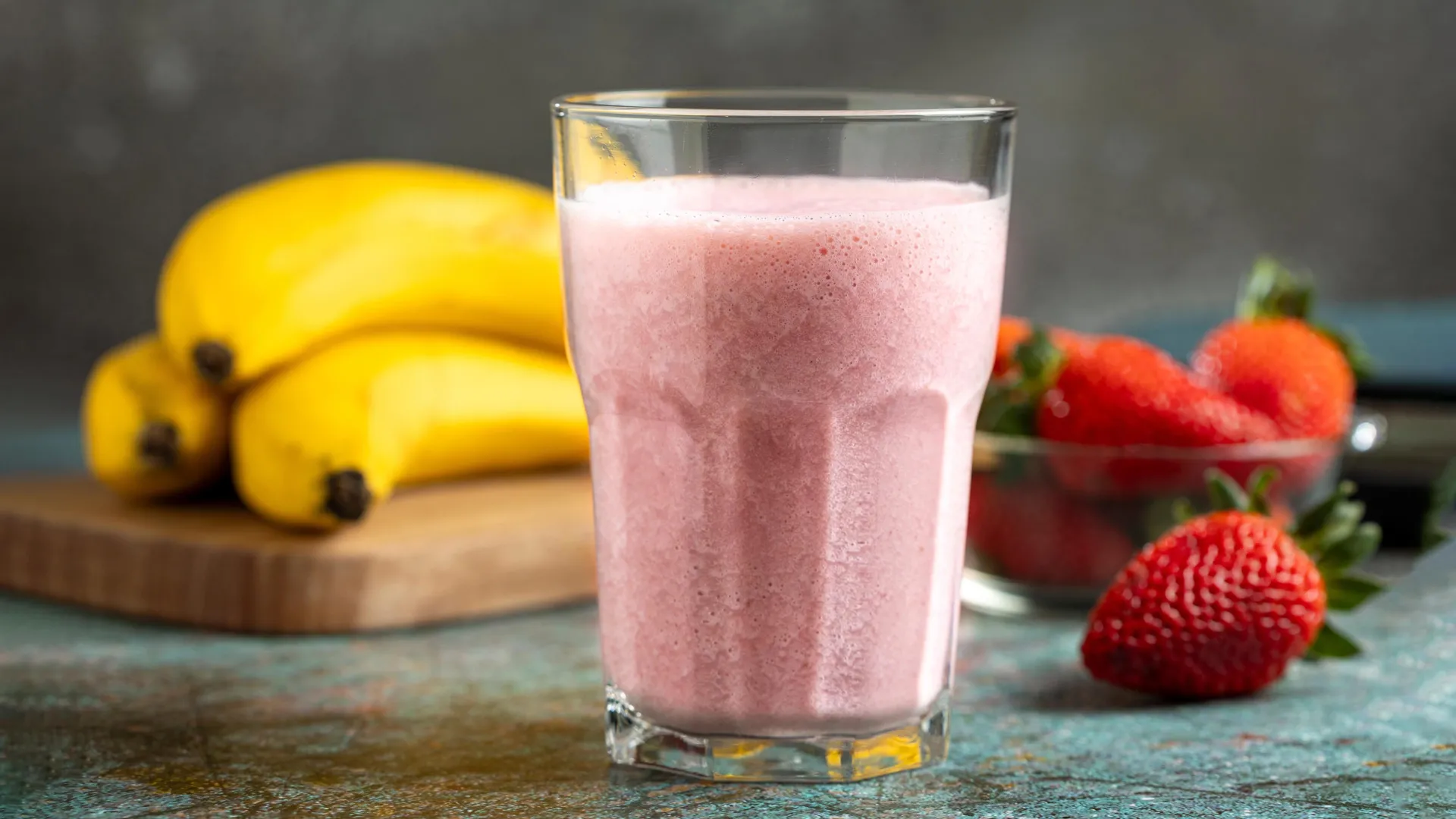
Adding a banana to your berry smoothie seems harmless, but new research reveals this common combination dramatically slashes your body's ability to absorb flavanols—plant compounds linked to heart and brain health. Published in the journal *Food & Function* in May 2026, the study from the University of California, Davis has sparked intense discussion among nutritionists and health enthusiasts.
The Science

Researchers at the University of California, Davis discovered that when banana is blended with berries, an enzyme called polyphenol oxidase (PPO) in the banana destroys flavanols before they can be absorbed. In the study, participants who drank a berry smoothie with banana showed an 84% reduction in blood flavanol levels compared to those who had berries alone. The study included 24 healthy adults, measuring plasma flavanol levels over six hours after consumption.

PPO is the same enzyme responsible for browning apples and avocados when cut. In the smoothie, blending allows the enzyme to act on flavanols, degrading them before they reach the small intestine where absorption normally occurs. The researchers measured flavanol levels in blood plasma over six hours after consumption. PPO activity is especially high in ripe bananas, which can have up to five times more activity than green ones.
“84% of flavanols are lost when banana is blended with berries in a smoothie.”
This finding is significant because fruit smoothies are a popular way to consume antioxidants, especially among people aiming to improve cardiovascular and cognitive health. The banana-berry combination is one of the most common in cafes and homes, suggesting that many people may be missing out on benefits unknowingly.
Key Findings
- Massive reduction: The banana-berry combination reduces flavanol absorption by 84%, as measured in blood levels. This effect is consistent regardless of berry type (blueberries, strawberries, raspberries).
- Enzymatic culprit: Polyphenol oxidase (PPO) from banana degrades berry flavanols within minutes of blending. The reaction occurs as soon as ingredients are mixed.
- Dose-dependent effect: Riper bananas have higher PPO activity, leading to greater flavanol loss. A banana with brown spots can have twice the activity of a yellow one.
- Safe alternatives: Fruits like mango, pineapple, and orange have low PPO activity and do not interfere with absorption. Kiwi is also a viable option.
- Timing matters: Consuming flavanols separately or on an empty stomach maximizes bioavailability. Additionally, adding vitamin C (like lemon juice) can partially inhibit PPO.
Why It Matters
Flavanols are a type of flavonoid found in cocoa, green tea, grapes, and berries. They have been linked to improvements in blood pressure, endothelial function, and cognition. The World Health Organization recommends a daily intake of 400–600 mg of flavanols for cardiovascular benefits. However, most people do not reach this amount, and improper food combinations can worsen the deficit.
This finding is especially relevant for those who rely on smoothies as a primary source of antioxidants. Many people, particularly in the biohacking community, consume green or berry smoothies aiming to maximize polyphenol intake. However, adding banana—a common practice for creaminess—could be negating those benefits. Moreover, the study suggests that food interactions are more complex than previously thought. It's not enough to eat nutrient-dense foods; the right combination is crucial for absorption. This opens the door for future research into other food pairings that might be sabotaging our nutrition, such as milk with green tea or yogurt with blueberries.
Public Health Implications
The results have implications for food product formulation. Many commercial smoothies contain banana as a base, which could significantly reduce their bioavailable flavanol content. Manufacturers might consider using low-PPO fruits or adding enzyme inhibitors like ascorbic acid. Additionally, dietary guidelines could include recommendations on food combinations to optimize nutrient absorption.
Your Protocol
To maximize flavanol absorption in your smoothies, follow these guidelines:
- 1Avoid mixing high-PPO fruits with berries. Banana, apple, pear, and avocado have high PPO activity. Instead, use mango, pineapple, orange, or kiwi, which have low activity. You can also use frozen fruits, as the freezing process reduces PPO activity.
- 2Consume berries alone or with yogurt. Dairy does not contain PPO and may even enhance the absorption of some polyphenols. Try a berry smoothie with Greek yogurt and a touch of honey. The fat in yogurt can also aid absorption of fat-soluble compounds.
- 3Add flavanols at the end. If you insist on using banana, add it just before drinking and consume immediately to minimize contact time. You can also add a splash of lemon juice to inhibit PPO.
- 4Consider flavanol supplements. If you need a precise dose, cocoa or green tea extracts provide flavanols without the risk of enzymatic degradation. Green tea extract supplements can provide 200–300 mg per dose.
- 5Time your intake. Taking flavanols on an empty stomach or between meals improves absorption, as they don't compete with other compounds. Avoid consuming them with high-protein meals, as proteins can form complexes that reduce absorption.

What To Watch Next
The UC Davis researchers plan to study other food combinations that might affect nutrient bioavailability. Expect studies in the coming months on PPO interaction with other polyphenols, such as those from tea and cocoa. They will also investigate the effect of PPO on flavanol absorption from other sources like apples and onions.
Additionally, the functional food industry may start formulating smoothies and beverages that avoid these interactions, for instance by using freeze-dried fruits or adding natural PPO inhibitors like ascorbic acid (vitamin C). Advanced biohackers might experiment with separate supplementation of flavanols and high-PPO fruits. There could even be a market for pre-mixed smoothies that guarantee flavanol bioavailability.
The Bottom Line
Next time you make a berry smoothie, leave the banana out. Science shows this popular combo reduces flavanol absorption by 84%, negating much of the antioxidant benefit. Opt for low-PPO fruits like mango or pineapple, or simply enjoy your berries solo. Small tweaks in food preparation can make a big difference in nutrient bioavailability, bringing you closer to optimal health. Remember, the key is not just what you eat, but how you combine foods.