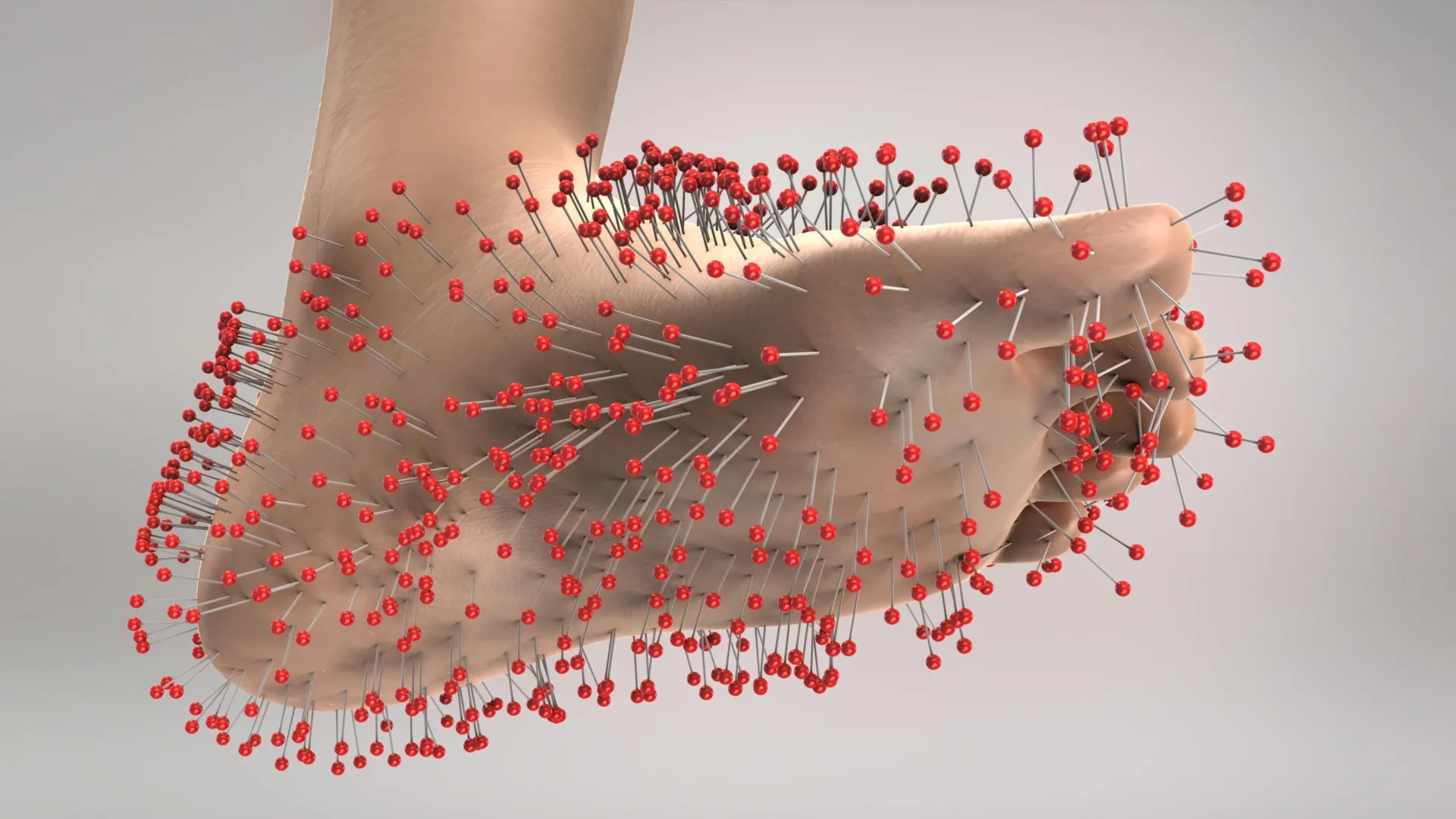
Your next sauna session or fast might not cut it for what's coming. The space race is redefining human stress, and the findings could transform how we optimize health on Earth.
The Science
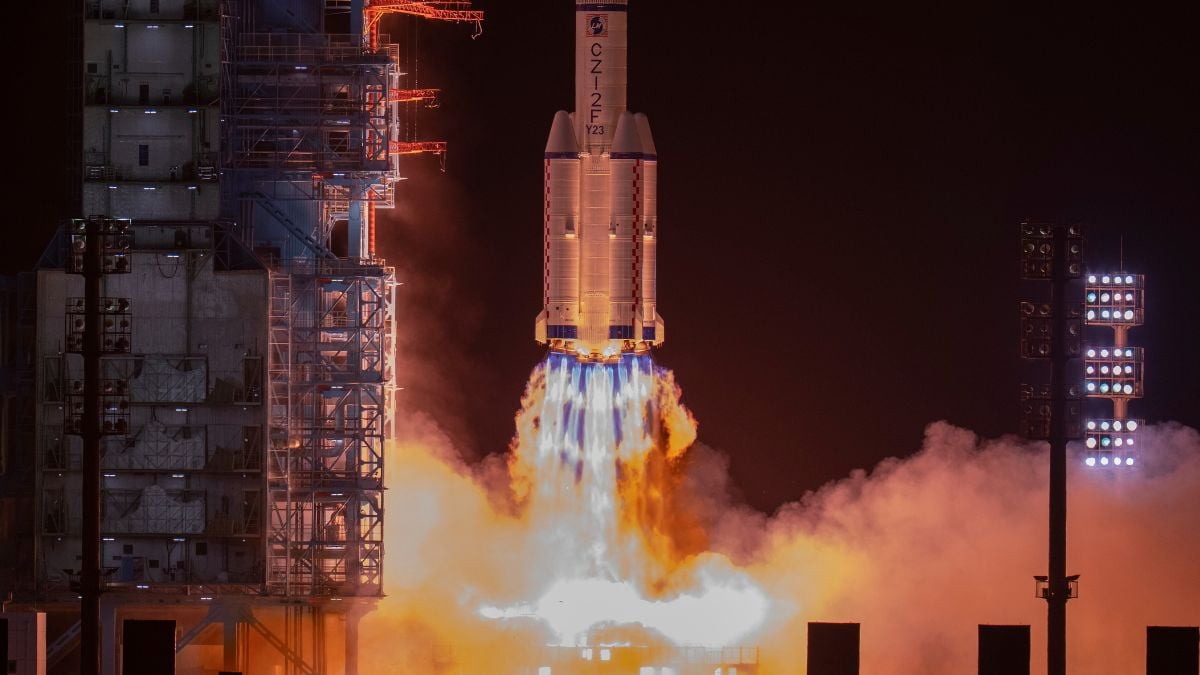
China has successfully launched a key mission toward the Moon, a crucial step for its first crewed lunar landing. The spacecraft, which will spend a year in orbit, subjects astronauts to extreme conditions: cosmic radiation, microgravity, prolonged isolation, and disrupted sleep cycles. This environment, according to the Chinese space agency, "pushes both hardware and humans into a different operational regime."

Preliminary data indicate that deep-space radiation exposure can be up to 100 times higher than on Earth. Additionally, bone density loss in microgravity reaches 1-2% per month, comparable to accelerated aging. These numbers aren't just for astronauts; they mirror how chronic stress impacts our bodies and offer clues for interventions to slow decline.
The context of this mission is particularly relevant because, unlike low-Earth orbit stations, the Moon represents a much harsher radiation environment. The absence of a protective magnetic field exposes astronauts to solar particles and galactic cosmic rays that can penetrate tissues and cause DNA damage. Previous NASA studies have documented that astronauts on lunar missions could receive in a few days the radiation equivalent to several years on Earth. This reality drives the need for countermeasures that also benefit those facing chronic radiation exposure on Earth, such as healthcare workers or frequent flyers.
“Space stress is a natural laboratory for understanding the limits of human resilience and how we can strengthen it from home.”
Key Findings

- Extreme radiation: Deep-space doses exceed 100 times annual terrestrial radiation, increasing cellular damage and cancer risk. Research from the Chinese Institute of Space Medicine indicates that even with shielding, astronauts accumulate a dose equivalent to 10 CT scans per week.
- Accelerated bone loss: Astronauts lose 1-2% bone density per month, a rate 10 times faster than terrestrial osteoporosis. This phenomenon occurs due to lack of mechanical loading, which deactivates osteoblasts and activates osteoclasts, leading to uncontrolled bone resorption.
- Isolation and sleep: Lack of gravity disrupts circadian rhythms, reducing deep sleep by 30-40% according to previous NASA studies. Additionally, confinement in small spaces for months leads to increased cortisol and decreased neurogenesis, effects also observed in urban populations with high stress levels.
- Oxidative stress: The combination of radiation and microgravity boosts oxidative stress markers by 50%, accelerating cellular aging. This systemic oxidative stress manifests as mitochondrial damage, chronic inflammation, and telomere shortening, processes underlying many degenerative diseases.

Why It Matters
For the average biohacker, these data are a risk map. Cosmic radiation mimics chronic oxidative stress we experience from pollution, poor diet, or lack of sleep. Bone loss in space is an accelerated version of sarcopenia and osteoporosis we face with age. What scientists learn about countering these effects—with antioxidants, resistance exercise, or supplements—will have direct longevity applications.
Moreover, social isolation and sleep disruption in lunar missions offer a model for understanding psychological stress's impact on physical health. Mitigation protocols like light therapy or meditation could be validated in extreme conditions before being recommended to the general public. For example, NASA has implemented psychological resilience training programs that include breathing techniques and visualization, which are being adapted for corporate and educational settings.
A fascinating area is emerging research on the space microbiome. Preliminary studies on the International Space Station show that microgravity alters gut flora composition, reducing bacterial diversity and increasing intestinal permeability. This has direct implications for systemic inflammation and immune function, both for astronauts and for people with sedentary lifestyles or processed diets.
Your Protocol

Based on what space science already knows, you can start preparing your body for extreme stress:
- 1Simulate microgravity with impact exercise: Perform jumps and weightlifting 3 times a week to stimulate bone density, mimicking the mechanical stress missing in space. Incorporate plyometric exercises like box jumps and squat jumps. Evidence shows that high-impact loads, even brief, activate osteoblasts and promote bone mineralization.
- 2Combat radiation with antioxidants: Incorporate foods rich in sulforaphane (broccoli sprouts) and astaxanthin (algae), which have shown to reduce radiation damage in astronaut studies. Sulforaphane activates the Nrf2 pathway, a potent regulator of endogenous antioxidant response. Supplement with vitamins C and E, but avoid megadoses that may interfere with cellular adaptation.
- 3Optimize sleep with blue light: Use blue-light-blocking glasses 2 hours before bed to counteract circadian disruption similar to astronauts' experience. Additionally, maintain a cool room temperature (18-20°C) and use a slow-release melatonin patch if sleep is fragmented. Morning exposure to natural light also helps anchor the circadian rhythm.
- 4Monitor oxidative stress: Test biomarkers like urinary 8-OHdG every 3 months to assess cellular damage, a practice NASA uses with its crews. You can also measure total antioxidant capacity (TAC) in blood. If levels are elevated, consider increasing polyphenol intake (green tea, turmeric, berries) and reducing exposure to environmental toxins.
- 5Strengthen your microbiome: Consume fermented foods (kefir, sauerkraut, kimchi) and prebiotic fiber (inulin, resistant starch) to maintain bacterial diversity. Astronauts on the ISS have shown improved inflammatory profiles when consuming specific probiotics like Lactobacillus rhamnosus GG. This protocol can help mitigate stress-induced intestinal permeability.
What To Watch Next
The Chinese mission will include experiments on radiation's effect on the gut microbiome and cognition. Results, expected by late 2027, could validate specific probiotics for protecting the brain and immune system under stress. New radiation shielding materials will also be tested, potentially usable in suits or terrestrial shelters.
Additionally, NASA plans a similar mission in 2028, meaning we'll see a flood of human resilience data in the next two years. For longevity enthusiasts, these studies will be a goldmine of interventions validated under conditions no Earth lab can replicate. For example, data on the use of fat-soluble antioxidants like astaxanthin and coenzyme Q10 in mitochondrial protection are expected to have direct applications in aging prevention.
Another promising area is research on radiation-induced hormesis. Some studies suggest that low doses of radiation may activate cellular repair mechanisms, similar to benefits from exercise or caloric restriction. If confirmed, we could see the development of controlled radiation exposure protocols to stimulate resilience, though this remains speculative and requires more research.
The Bottom Line
The lunar race isn't just a technological milestone; it's an unprecedented health experiment. Data on radiation, bone loss, and oxidative stress offer direct lessons for those seeking to optimize longevity. Applying these protocols today could be the difference between aging well and aging poorly. The next frontier of health is in space, but its benefits start in your living room.
The key is adaptation: just as astronauts train their bodies to withstand extremes, we can prepare for everyday stressors with evidence-based strategies. Radiation, isolation, and bone loss are challenges that, understood from space, teach us to strengthen our resilience from Earth.