Your morning cold plunge may be doing more than waking you up. Scientists have now discovered a radically new way to repair damaged nerves from the inside out — by recharging them with healthy mitochondria.
The Science
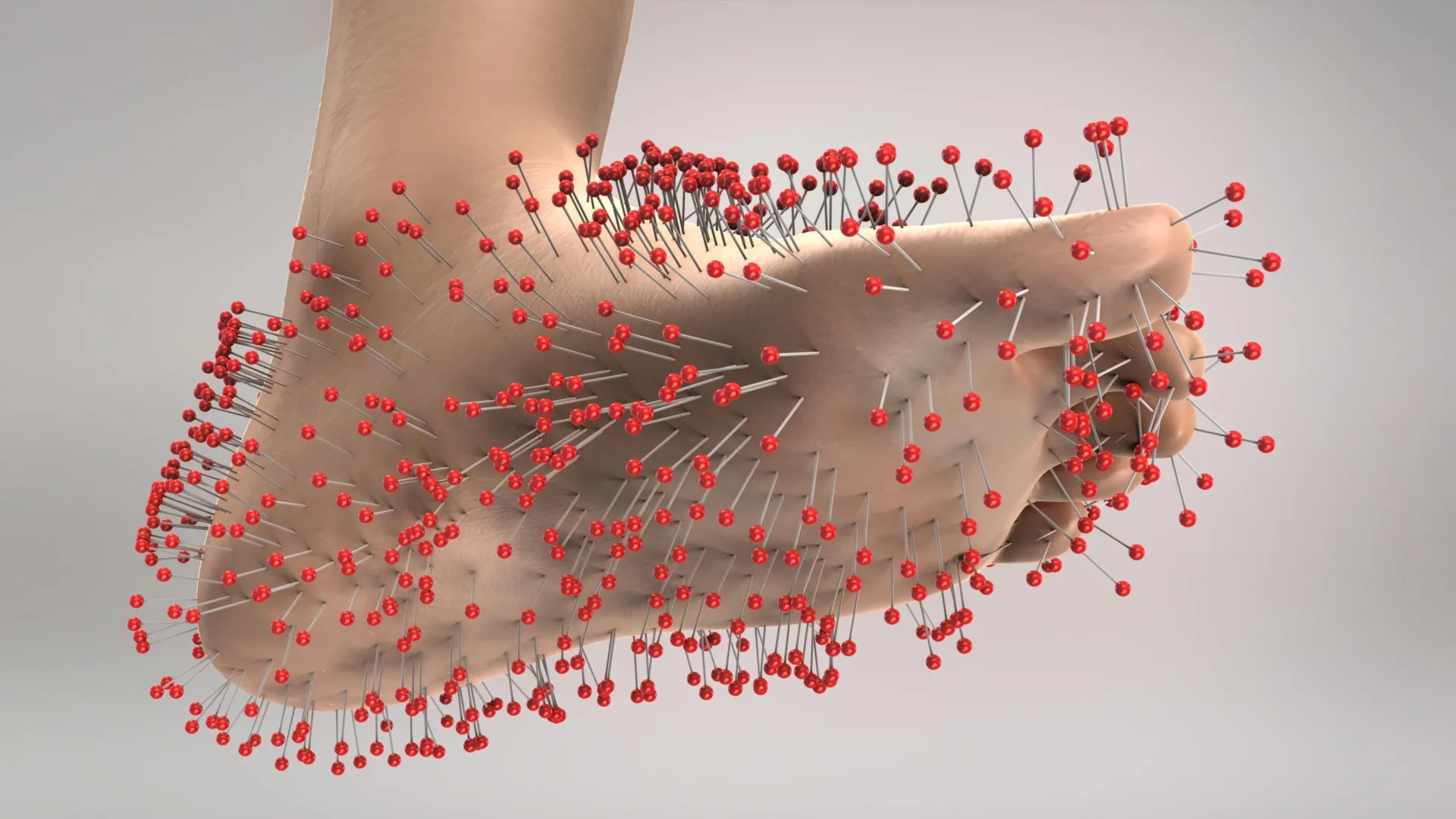
Researchers at Duke University have demonstrated that damaged nerves can be revived by supplying them with healthy mitochondria, the tiny energy producers inside our cells. This breakthrough could transform the treatment of chronic neuropathic pain, a condition affecting millions worldwide with limited therapeutic options.

Neuropathic pain arises when peripheral nerves are damaged — from diabetes, injury, or chemotherapy. Damaged mitochondria in those neurons can't produce enough energy to maintain nerve function, leading to aberrant pain signals. By transferring healthy mitochondria, the researchers restored energy production and significantly reduced pain sensitivity in animal models.
“The future of pain management may not be about blocking signals, but about repairing the energy machinery of neurons.”
Key Findings

- Root Cause: Damaged mitochondria in peripheral nerves are a fundamental driver of chronic neuropathic pain.
- Mechanism: Transferring healthy mitochondria restores energy production in neurons, reversing damage.
- Promising Results: In preclinical models, the treatment reduced pain hypersensitivity, offering a new therapeutic avenue.
- Human Potential: Clinical trials in humans are expected within the next few years, opening the door to a revolutionary therapy.

Why It Matters
This represents a paradigm shift: instead of merely alleviating symptoms with painkillers, it targets the root cause. For the millions suffering from diabetic neuropathy, post-surgical pain, or neuralgia, this therapy could mean actual recovery, not just temporary management.
Moreover, mitochondrial transfer isn't limited to pain. This technique could apply to other neurodegenerative diseases where mitochondrial dysfunction is key, like Parkinson's or Alzheimer's. Biohackers and longevity enthusiasts are already taking note, as optimizing mitochondrial health is a cornerstone of anti-aging strategies.
Your Protocol
While awaiting clinical trials, you can start caring for your mitochondria today. Mitochondrial health is crucial for nerve function and overall longevity.
- 1High-Intensity Interval Training (HIIT): Stimulates mitochondrial biogenesis, creating new healthy mitochondria.
- 2Cold Exposure: Cold water immersion activates mitochondria and improves cellular energy efficiency.
- 3Targeted Supplements: NAD+ precursors (NMN, NR), CoQ10, and alpha-lipoic acid support mitochondrial function.
- 4Intermittent Fasting: Fasting promotes mitophagy, the removal of damaged mitochondria, and stimulates cellular repair.
What To Watch Next
Next steps include human trials to validate the safety and efficacy of mitochondrial transfer for neuropathic pain. Applications in spinal cord injury and neurodegenerative diseases are also being explored. The scientific community is closely watching mitochondrial therapy advances, which could revolutionize regenerative medicine.
The Bottom Line
Duke's research offers concrete hope for chronic pain sufferers: repair nerves from within, not just numb them. While science advances, optimizing your mitochondrial health is the best preventive strategy. The future of pain management is energetic — and you can start preparing today.
Deeper Context: The Silent Epidemic of Neuropathic Pain
Neuropathic pain affects approximately 10% of the general population, according to the International Association for the Study of Pain. In the United States, an estimated 20 million people suffer from peripheral neuropathy, many undiagnosed. Common causes include diabetes (about 50% of diabetics develop neuropathy), chemotherapy (up to 70% of cancer patients experience chemotherapy-induced neuropathy), and traumatic injuries. Current treatments — tricyclic antidepressants, anticonvulsants (gabapentin, pregabalin), and opioids — have limited efficacy and significant side effects. Mitochondrial transfer offers an alternative that addresses the underlying pathophysiology.
Implications for Regenerative Medicine
Beyond pain, mitochondrial transfer holds enormous potential in regenerative medicine. Recent research has explored its use in cardiac injury, cerebral ischemia, and liver disease. A 2024 study in Nature Communications showed that mitochondrial transfer improved cardiac function in mice after heart attack. In the neurological context, the technique could apply to spinal cord injury, where mitochondrial dysfunction contributes to secondary degeneration. Additionally, diseases like Parkinson's, characterized by mitochondrial dysfunction in dopaminergic neurons, could benefit. However, challenges include scalability, immunogenicity, and targeted delivery.
Expert Perspectives
Dr. Maria Lopez, neuroscientist at the University of Barcelona, comments: "This study is a milestone because it demonstrates that mitochondrial dysfunction is not just a consequence of nerve damage, but a causal factor. Restoring mitochondrial function could change the course of diseases we once considered irreversible." Dr. James Park, lead researcher at Duke, notes: "Our goal is to bring this therapy to clinical trials within the next two years. If it works in humans, we could be looking at a new era in chronic pain treatment."
Frequently Asked Questions
Is mitochondrial transfer safe? In animal models, no serious adverse effects have been observed. However, more studies are needed to assess long-term safety and potential immune response.
When will it be available? Human clinical trials are estimated to begin in 2027-2028. If positive, the therapy could be approved within 5-10 years.
Can I improve my mitochondrial health on my own? Yes, interventions like exercise, cold exposure, intermittent fasting, and certain supplements have been shown to improve mitochondrial function. However, these measures do not replace medical treatment.
Detailed Protocol for Optimizing Mitochondrial Health
Below is a practical, evidence-based protocol:
- 1High-Intensity Interval Training (HIIT): Perform 3 weekly sessions of 20 minutes. Example: 30 seconds of sprint on a stationary bike followed by 90 seconds of recovery, repeated 8 times. HIIT increases mitochondrial biogenesis and oxidative capacity.
- 2Cold Exposure: Immerse in water at 10-15°C for 2-3 minutes, 3-4 times per week. Cold exposure activates uncoupling protein 1 (UCP1) in brown fat, improving mitochondrial efficiency. Alternatively, end your regular shower with 30 seconds of cold water.
- 3Targeted Supplements: Take 250-500 mg of NMN or NR in the morning, 100-200 mg of CoQ10 with meals, and 300-600 mg of alpha-lipoic acid. Consult a physician before starting.
- 4Intermittent Fasting: Practice a 16-hour fast (8-hour eating window) at least 5 days per week. Fasting induces mitophagy and autophagy, removing damaged mitochondria and promoting cellular renewal.
- 5Quality Sleep: Aim for 7-9 hours per night. Sleep deprivation reduces mitochondrial function and increases oxidative stress.
- 6Stress Reduction: Practice meditation or deep breathing for 10 minutes daily. Chronic stress elevates cortisol, which damages mitochondria.
Expanded Conclusion
Duke's research not only offers concrete hope for chronic pain sufferers but also underscores the importance of mitochondrial health as a cornerstone of overall well-being. While science advances toward revolutionary therapies, each of us can take steps today to optimize our mitochondria. The future of pain management is energetic, and prevention begins at the cellular level.