NASA declared its Mars spacecraft MAVEN dead. The agency called it "like the loss of a loved one." This space story holds profound lessons for how we process loss—and build resilience—in our own lives.
The Science
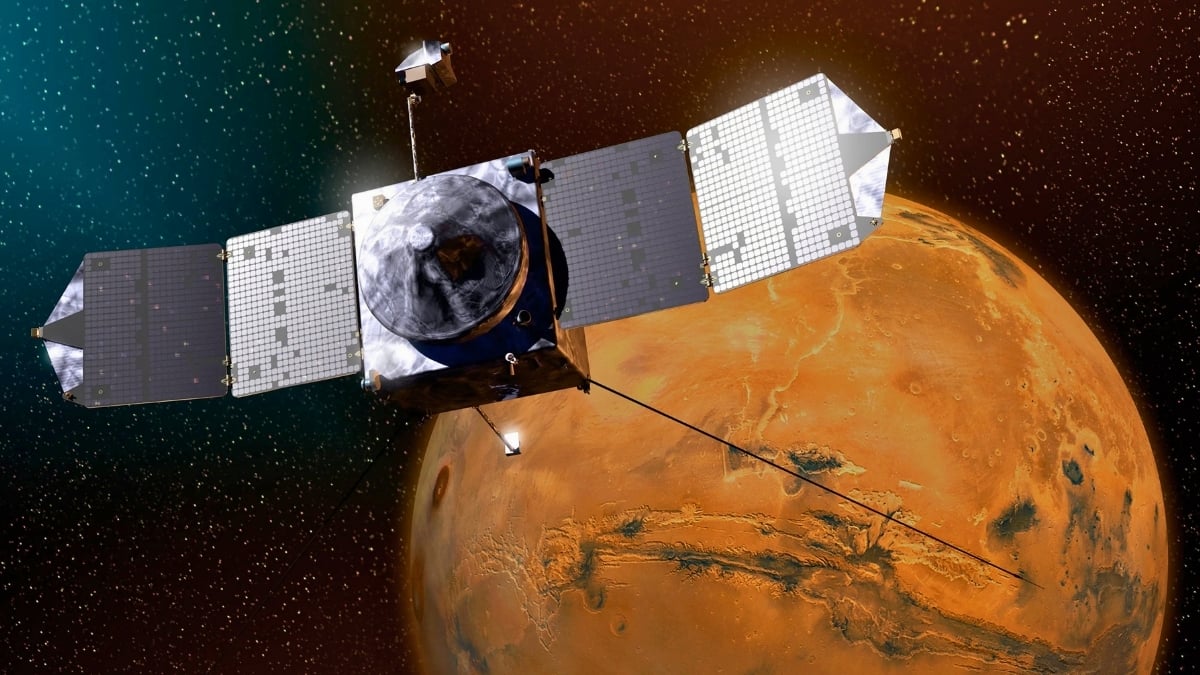
MAVEN (Mars Atmosphere and Volatile EvolutioN) orbited Mars for 12 years, starting in 2014, revealing how the Red Planet lost its atmosphere. Its death wasn't sudden: engineers tried for months to reestablish contact. The official declaration, made on June 4, 2026, compared the process to "the loss of a loved one," highlighting the emotional bond between human teams and their robotic creations. This phenomenon, known as "attachment to inanimate objects," has neurological roots: our brain releases oxytocin—the bonding hormone—even with complex systems we've nurtured for years.

The analogy isn't casual. Psychologists have documented that grief over a space mission follows the same stages as any loss: denial, anger, bargaining, sadness, and acceptance. NASA teams went through each one. The key difference lies in the "closure protocol" they applied: document lessons, celebrate achievements, and transfer knowledge to new missions. This structured process is exactly what mental health experts recommend for any significant loss. Recent research in affective neuroscience shows that prefrontal cortex activation during closure rituals reduces rumination and facilitates cognitive reorganization.
“Grief over a space mission teaches us that processing loss with a structured protocol reduces trauma and accelerates resilience.”