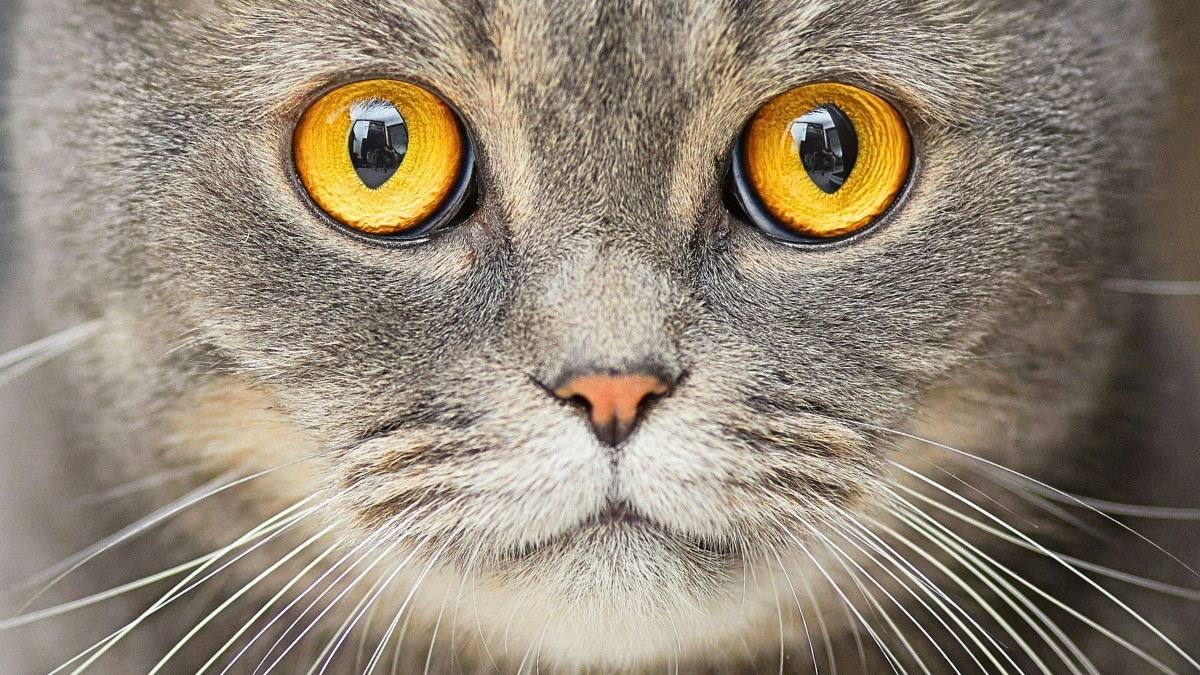
Owning a cat is associated with a doubled risk of schizophrenia, but causation remains unproven.
Your cat purrs on your lap as you read this. But a new meta-analysis suggests that sharing your home with a feline might come with an unexpe...
A meta-analysis published in *Schizophrenia Research* in 2025 pooled data from 17 studies across 11 countries, totaling over 30,000 particip...
Your cat purrs on your lap as you read this. But a new meta-analysis suggests that sharing your home with a feline might come with an unexpected neurological cost.
The Science
A meta-analysis published in *Schizophrenia Research* in 2025 pooled data from 17 studies across 11 countries, totaling over 30,000 participants. The results showed that individuals exposed to cats had roughly twice the odds of developing schizophrenia-spectrum disorders compared to those without cats. The association was strongest for exposure during childhood and adolescence.
domestic cat on a sofa
The prime suspect is the parasite *Toxoplasma gondii*, which can infect humans through cat feces. Previous research has linked toxoplasmosis to subtle personality changes and increased psychosis risk. However, the authors caution that correlation does not prove causation—other factors like lifestyle or genetics could explain the link.
“Owning a cat is associated with a doubled risk of schizophrenia, but causation remains unproven.”
Key Findings
Key Findings
Doubled risk: Cat exposure was associated with an odds ratio of 2.0 for schizophrenia in the meta-analysis.
Critical window: Risk was highest when exposure occurred before age 25, especially in childhood.
Parasite implicated: *Toxoplasma gondii* was found in 30% of schizophrenia cases in some studies, versus 15% in controls.
Geographic variation: The link was strongest in countries with high toxoplasmosis prevalence, like France and Brazil.
bar chart of relative risk
Why It Matters
This finding matters for anyone who owns or is considering getting a cat, especially families with young children. Schizophrenia affects about 1% of the global population, and while the absolute risk remains low (1% to 2% with exposure), a modifiable risk factor like this deserves attention.
The proposed mechanism involves *Toxoplasma* forming cysts in the brain that alter dopamine and other neurotransmitters. However, critics note that most infected people never develop psychosis, suggesting genetics and other environmental factors play a large role.
Your Protocol
Your Protocol
If you own a cat or plan to adopt one, there's no reason to panic. The risk is small and there are practical steps to minimize it.
1Keep the litter box clean: Scoop daily and wear gloves if possible. The parasite takes 1-5 days to become infectious.
2Prevent hunting: Cats that hunt prey are more likely to become infected. Keep your cat indoors.
3Wash hands: After handling your cat or cleaning its area, wash thoroughly with soap and water.
4Consider testing: If you're pregnant or immunocompromised, have someone else clean the box or get tested for toxoplasmosis.
person cleaning litter box with gloves
What To Watch Next
Researchers are conducting longitudinal studies to determine whether early cat exposure actually causes schizophrenia or is a marker for other risk factors. Vaccines against *Toxoplasma* for cats are also in development, which could reduce transmission to humans.
Additionally, new genetic studies are exploring why some people develop psychosis after infection and others don't. This could lead to personalized preventive treatments in the future.
The Bottom Line
The Bottom Line
The association between cat ownership and schizophrenia is real in the data, but the absolute risk is small and causation is unproven. While we await more definitive studies, simple hygiene measures can mitigate any potential risk. For now, living with cats remains safe and beneficial for the vast majority of people.
Additional Context
It's important to understand that schizophrenia is a complex disorder with multiple causes. Genetic factors explain about 80% of the risk, according to twin studies. Environment, including infections, prenatal stress, and childhood trauma, contributes the rest. Toxoplasmosis may be one factor among many, not a single cause.
The studies included in the meta-analysis vary in quality and design. Some are cross-sectional, which cannot establish temporality. Others are case-control studies with potential recall bias. The authors used statistical methods to adjust for confounders, but not all studies controlled for the same variables.
Public Health Implications
Public Health Implications
Given that cat ownership is common (about 25% of households in Western countries have at least one cat), even a small increase in relative risk could translate to a considerable number of attributable cases at the population level. However, the benefits of pet ownership (stress reduction, companionship, cardiovascular improvement) should also be considered.
Health authorities might consider awareness campaigns about litter box hygiene, especially for families with adolescents and young adults, who appear to be the highest risk group according to the meta-analysis.
Emerging Research
A 2024 study in mice showed that *Toxoplasma* infection during adolescence alters prefrontal cortex connectivity, a key region in schizophrenia. This supports the hypothesis that the parasite affects brain development. However, animal models have limitations for extrapolation to humans.
Clinical trials with antiparasitic drugs in people with schizophrenia and positive toxoplasmosis are underway. If they show symptom improvement, it would strengthen the causal link. Until then, caution is reasonable but not alarmist.
Frequently Asked Questions
Frequently Asked Questions
Should I get rid of my cat? No. The absolute risk is low, and hygiene measures further reduce the likelihood of infection. Most cat owners never develop schizophrenia.
Are indoor cats safer? Yes, because they have less contact with infected prey. Keeping your cat indoors dramatically reduces its exposure to *Toxoplasma*.
Can I get infected if my cat is healthy? Possible, but less likely. Cats only shed oocysts for a few weeks after initial infection. After that, they develop immunity.
Are there early symptoms of toxoplasmosis? In healthy people, it's often asymptomatic or causes mild flu-like symptoms. In immunocompromised individuals, it can be severe.
Conclusion
Current evidence shows a modest association between cat exposure and schizophrenia risk, likely mediated by *Toxoplasma gondii*. However, causation is not established, and the absolute risk is small. Simple hygiene measures, such as daily litter box cleaning and keeping cats indoors, are advisable for everyone, especially vulnerable populations. The decision to own a cat should be based on a balanced assessment of risks and benefits, not fear.