The Silent Shift
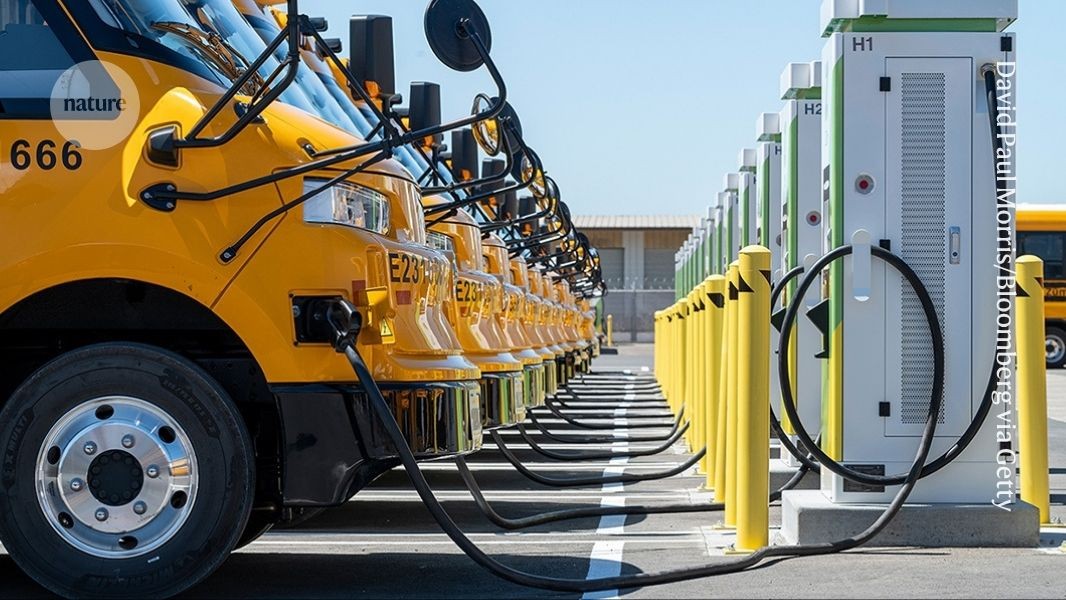
A quarter-million lives saved by cleaner air. China's rapid adoption of electric vehicles is preventing 260,000 premature deaths annually, according to new research. But the path to cleaner air is not straightforward, and the benefits come with nuances that deserve attention.
The Science

Published in *Nature* on June 5, 2026, the study analyzed air quality data and health outcomes across China from 2015 to 2025. Researchers combined data from over 1,500 monitoring stations with public health models to estimate the net effect on mortality. They found that the replacement of fossil-fuel cars with electric vehicles (EVs) led to significant reductions in fine particulate matter (PM2.5) and nitrogen oxides (NOx). PM2.5 levels dropped by up to 15% in major cities like Beijing and Shanghai, directly correlating with fewer hospitalizations for cardiovascular and respiratory diseases. For every 10 µg/m³ reduction in PM2.5, the risk of heart disease mortality decreases by 6-8%.

However, the study also revealed an unintended consequence: ground-level ozone (O3) increased by as much as 10% in some regions. This happens because NOx reduction alters atmospheric chemistry, allowing ozone to accumulate. Ozone is a potent lung irritant that can worsen asthma and chronic obstructive pulmonary disease (COPD). The net health effect is still positive—260,000 deaths prevented—but the ozone rise offsets some gains. The study documented that in areas with the steepest NOx cuts, ozone increases were most pronounced, particularly in the North China Plain.
“260,000 premature deaths prevented: electric vehicles are already a massive public health intervention.”
Key Findings
- PM2.5 Reduction: Fine particle pollution decreased by up to 15% in urban areas, directly linked to fewer deaths from heart disease, stroke, and lung cancer. The reduction was most significant in densely populated eastern provinces like Jiangsu and Zhejiang.
- Ozone Increase: Ground-level ozone rose by up to 10% in regions with the steepest NOx cuts, potentially exacerbating respiratory conditions. Ozone is particularly harmful to children, the elderly, and those with pre-existing lung disease.
- 260,000 Deaths Prevented: This cumulative estimate from 2015–2025 models the health benefits of improved air quality nationwide. It represents about 4% of annual pollution-related deaths in China.
- Uneven Benefits: Coastal and densely populated cities saw the largest improvements, while inland rural areas experienced smaller gains. The disparity highlights the need for region-specific policies.

Why It Matters
For health optimizers, this study is a powerful reminder that air quality is a modifiable risk factor for chronic disease. Every microgram of PM2.5 you avoid reduces your risk of heart attack, stroke, and lung cancer. The 260,000 lives saved in China show that systemic changes can have population-level health impacts. According to the World Health Organization, air pollution causes 7 million premature deaths globally each year. China's success demonstrates that transportation electrification policies can yield substantial public health dividends.
But the ozone trade-off is a cautionary tale. Ozone causes oxidative stress and inflammation in the lungs, similar to the effects of smoking. For individuals with asthma or allergies, even small increases can trigger symptoms. A 2024 study in *The Lancet Planetary Health* estimated that ozone contributes to 1.5 million premature deaths annually worldwide, and controlling it is more complex than controlling particulate matter.
This study also underscores the importance of measuring multiple pollutants. It's not enough to reduce PM2.5; we must monitor ozone and other byproducts. For biohackers, the takeaway is clear: monitor multiple air quality metrics, not just PM2.5. Ozone, NOx, and volatile organic compounds (VOCs) all matter. Indoor air purifiers with activated carbon filters can help reduce ozone indoors. Even low-level chronic exposure to pollutants can accelerate cellular aging and increase the risk of neurodegenerative diseases.
Your Protocol
While you can't control China's EV policy, you can apply these insights to your daily life:
- 1Measure your air: Use a portable air quality monitor that tracks PM2.5, ozone, and VOCs. Aim for PM2.5 below 12 µg/m³ (WHO guideline) and ozone below 50 ppb (8-hour average). Devices like PurpleAir or AirVisual provide real-time readings and can connect to your smartphone.
- 2Optimize your indoor air: Run a HEPA purifier in your bedroom during sleep hours. Add an activated carbon filter for ozone and VOC removal. Keep windows closed during high-pollution days, especially when ozone levels are elevated. Consider sealing gaps around doors and windows to minimize infiltration.
- 3Time your outdoor exercise: Check local ozone forecasts. If levels exceed 70 ppb, exercise indoors or early in the morning when ozone is lower. Ozone peaks in the afternoon, so schedule outdoor activities for early morning or evening. Use apps like AirNow or Plume Labs to get real-time air quality data.
Additionally, consider supporting policies that accelerate EV adoption in your region. Cleaner transportation benefits everyone's lungs, especially children and older adults. On an individual level, choosing an electric or hybrid vehicle, using public transit, biking, or reducing gasoline car usage all contribute to cleaner air for your community.
What To Watch Next
Researchers will continue tracking ozone levels as EV penetration increases. Long-term, the reduction in VOCs from gasoline evaporation should help control ozone, but this requires further study. The interaction between NOx, VOCs, and ozone is complex and depends on regional meteorology and chemistry.
Also watch for research on the health impacts of battery production and recycling. The full lifecycle of EVs—from lithium mining to battery disposal—carries its own environmental and health costs. Lithium and cobalt extraction have local community impacts, and battery recycling poses challenges with heavy metal exposure. A complete lifecycle analysis is needed to assess the true cost-benefit of electrification.
The Bottom Line
260,000 deaths prevented is a landmark achievement for public health. The ozone uptick is a reminder that no solution is perfect, but the net benefit is overwhelmingly positive. For your personal health, the lesson is actionable: prioritize clean air, monitor multiple pollutants, and advocate for systemic changes. The electric vehicle revolution is not just about climate—it's about breathing easier. Stay informed, monitor your environment, and push for cleaner air: your body will thank you.

:format(jpg):quality(99):watermark(f.elconfidencial.com/file/a73/f85/d17/a73f85d17f0b2300eddff0d114d4ab10.png,0,275,1)/f.elconfidencial.com/original/9e9/55d/e0f/9e955de0fef0dc6a774c625b1c8718f9.jpg)