
Your morning cold plunge may be doing more than waking you up. But while you optimize your health with ice baths and intermittent fasting, the coal still powering parts of the grid is silently undermining the air you breathe. In 2026, despite the renewable energy boom, 15% of US electricity still comes from coal—a source that is not only the most expensive but also the most lethal for human health.
The Science of Invisible Harm
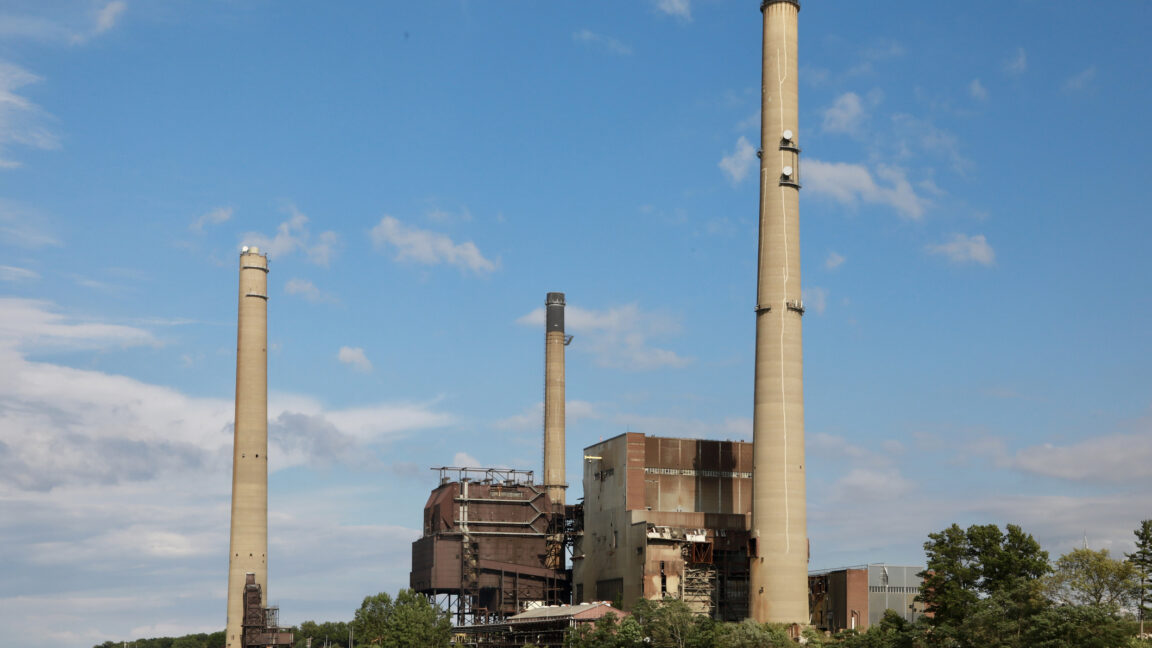
Coal is the most expensive and dirtiest way to generate electricity. According to recent data from the US Energy Information Administration (EIA), no new coal plants have been completed in over a decade, and coal's share of the US electrical grid has fallen from over 50% to just 15% in two decades. The levelized cost of electricity (LCOE) for a new coal plant is approximately $120 per megawatt-hour, second only to new nuclear ($180/MWh), while solar photovoltaic has dropped to $30-40/MWh and onshore wind to $25-50/MWh. However, these costs do not include health externalities: a 2023 study in Environmental Research Letters estimated that each megawatt-hour of coal generates $200-300 in hidden health costs from air pollution, tripling its real cost.

But the real price isn't on your electricity bill. Coal produces the most greenhouse gas emissions per unit of energy (approximately 1,000 kg of CO2 per MWh, compared to 400-500 for natural gas and nearly zero for renewables), releases dangerous particulates and chemicals into the atmosphere, and leaves behind ash with high levels of toxic metals like mercury, lead, arsenic, and cadmium. For health optimizers, coal air pollution is a silent risk factor affecting lung function, cardiovascular health, and even cognition. Fine particulates (PM2.5) from coal are especially harmful because they penetrate deep into lung alveoli and cross the blood-brain barrier, triggering systemic inflammation and oxidative stress.


:format(jpg):quality(99):watermark(f.elconfidencial.com/file/a73/f85/d17/a73f85d17f0b2300eddff0d114d4ab10.png,0,275,1)/f.elconfidencial.com/original/9e9/55d/e0f/9e955de0fef0dc6a774c625b1c8718f9.jpg)