The Bundibugyo virus is spreading fast. Over 400 confirmed cases across three Central African countries—Uganda, Democratic Republic of the Congo, and Rwanda—and the number is climbing. For health optimizers, this isn't just a distant headline; it's a stress test of our immune systems and a reminder that pandemic preparedness starts at the cellular level. This article breaks down the science, key findings, implications for individual health, and a practical protocol based on evidence.
The Science of Bundibugyo
This outbreak is caused by *Orthoebolavirus bundibugyo*, a species distinct from the more infamous Zaire ebolavirus. First detected in Uganda in February 2026, the virus has since crossed borders into the Democratic Republic of the Congo and Rwanda. The World Health Organization reports a case fatality rate of approximately 40%—lower than Zaire's 50-90%, but still devastating. Unlike Zaire, there is no licensed vaccine for Bundibugyo, though experimental candidates are being fast-tracked through clinical trials. The WHO has activated the highest alert level, and ring vaccination trials are underway with experimental vaccines; efficacy data is expected by July 2026.

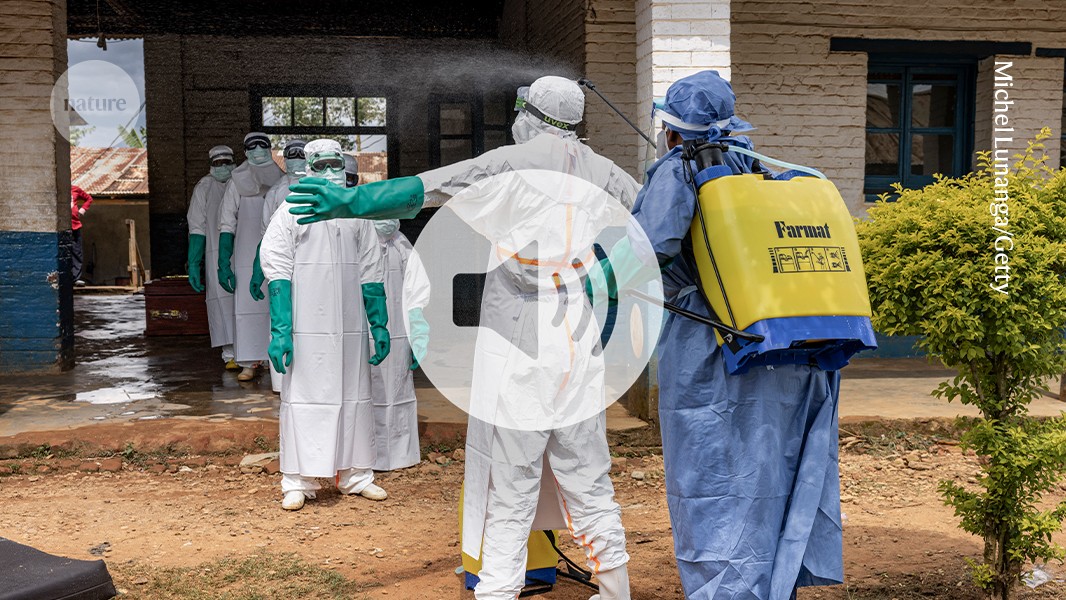
Transmission occurs through direct contact with bodily fluids of symptomatic individuals or deceased victims. The incubation period ranges from 2 to 21 days, and early symptoms—fever, fatigue, muscle pain—mimic malaria or typhoid, delaying diagnosis. The rapid geographic spread is fueled by cross-border mobility and weak health infrastructure in border regions. Health workers are particularly vulnerable; about 30% of infections are nosocomial (hospital-acquired), highlighting the need for rigorous PPE and infection control protocols.
“"The absence of a specific vaccine for Bundibugyo makes this outbreak a critical test of rapid-response systems."”
Key Findings

- 40% case fatality rate: While lower than some Ebola strains, this still represents a severe threat. Early supportive care reduces mortality, but access is limited in rural areas. Rehydration and symptom management are critical.
- Over 400 confirmed cases: The WHO warns that actual numbers may be higher due to underreporting in remote villages. Contact tracing is intensive, but cross-border movement complicates efforts.
- No approved vaccine: Two vaccine candidates are in phase 2/3 trials; preliminary efficacy results are expected by July 2026. Antiviral drugs like remdesivir and favipiravir are being tested in animal models; preliminary results show some activity but are not conclusive.
- Significant nosocomial transmission: 30% of infections occur in healthcare settings, highlighting the need for rigorous PPE and infection control protocols. Training of healthcare workers is a priority.

Why It Matters for Your Health
For biohackers and longevity enthusiasts, this outbreak is a real-world case study in immune resilience. The Bundibugyo virus suppresses innate immune responses, similar to other filoviruses. A compromised immune system—due to poor nutrition, chronic stress, or lack of sleep—has fewer defenses. Optimizing mitochondrial function and natural killer cell activity could theoretically improve outcomes, though no specific studies exist for this outbreak. However, research on other hemorrhagic viruses suggests that chronic inflammation worsens prognosis. Therefore, reducing systemic inflammation through diet, sleep, and stress management is a prudent strategy.
Moreover, the logistics of containment—contact tracing, isolation, protective equipment—mirror the principles of personal health management. Monitoring your biomarkers, reducing inflammation, and maintaining a robust circadian rhythm are not just for peak performance; they are foundational for surviving pathogen encounters.
Your Immune Resilience Protocol
While you can't get a Bundibugyo vaccine today, you can strengthen your general immune defenses. Here's an evidence-informed protocol:
- 1Optimize vitamin D levels: Serum levels of 50-80 ng/mL are associated with reduced risk of respiratory infections. Vitamin D enhances antimicrobial peptide production and modulates innate immunity. Supplement with 2000-5000 IU daily, adjusted based on blood tests. Test at least twice a year.
- 2Prioritize deep sleep: Sleep deprivation reduces cytokine production and T-cell activity. Aim for 7-9 hours with consistent sleep-wake times. Use sleep hygiene: no screens 1 hour before bed, cool room (65-68°F), blackout curtains. Consider a sleep tracker like Oura Ring to monitor quality.
- 3Adopt an anti-inflammatory diet: Ebola triggers a cytokine storm. A diet rich in omega-3s (fatty fish, flaxseeds, walnuts), polyphenols (berries, green tea, dark chocolate), and prebiotic fiber (garlic, onions, oats) supports balanced immune responses. Avoid refined sugars and processed foods that promote inflammation.
- 4Incorporate cold exposure: Cold water immersion (50-60°F for 2-3 minutes) increases norepinephrine and may enhance immune surveillance. Start gradually with cold showers at the end of a warm shower. Avoid if you have cardiovascular conditions without medical clearance.
- 5Track your basal body temperature: An early rise can signal infection. Use a basal thermometer or wearable like the Oura Ring. Log daily values and note deviations above 0.5°F. Combine with other biomarkers like resting heart rate and heart rate variability (HRV).
What To Watch Next
The next few months are critical. The WHO has activated the highest alert level, and ring vaccination trials are underway with experimental vaccines. Efficacy data is expected by July 2026. Antiviral drugs like remdesivir and favipiravir are being tested against Bundibugyo in animal models; preliminary results show some activity but are not conclusive. The scientific community is also evaluating monoclonal antibody therapies, which have shown efficacy against Zaire ebolavirus.
For the biohacking community, the development of mRNA vaccines for Ebola (e.g., Moderna's candidate) could be a game-changer. If proven safe and effective, it would enable rapid response platforms for future outbreaks. Stay tuned to sources like WHO and CDC for updates. Also, follow clinical trial reports on ClinicalTrials.gov.
The Bottom Line
The Bundibugyo outbreak is a stark reminder that global health is an interconnected ecosystem. On an individual level, strengthening your immune system through sleep, nutrition, and stress management is your best defense. On a collective level, investment in surveillance and vaccines is urgent. The takeaway for health optimizers: resilience isn't built overnight—it's cultivated through consistent habits that prepare you for the unexpected. Don't wait for the next outbreak to hit close to home; act today.