
A cell biologist writes crime novels. And she claims fiction has taught her perseverance and improved her scientific manuscripts. What can a biohacker learn from this? More than you might think. In an era where cognitive optimization and longevity are paramount, the ability to maintain focus and resilience in the face of failure has become as valuable as any nootropic. The story of Frances Brodsky, published in *Nature* on May 22, 2026, is not just a personal testimony but a window into how narrative structure can rewire our brains to handle complex projects—from an intermittent fasting protocol to developing a new supplement.
The Science Behind Storytelling
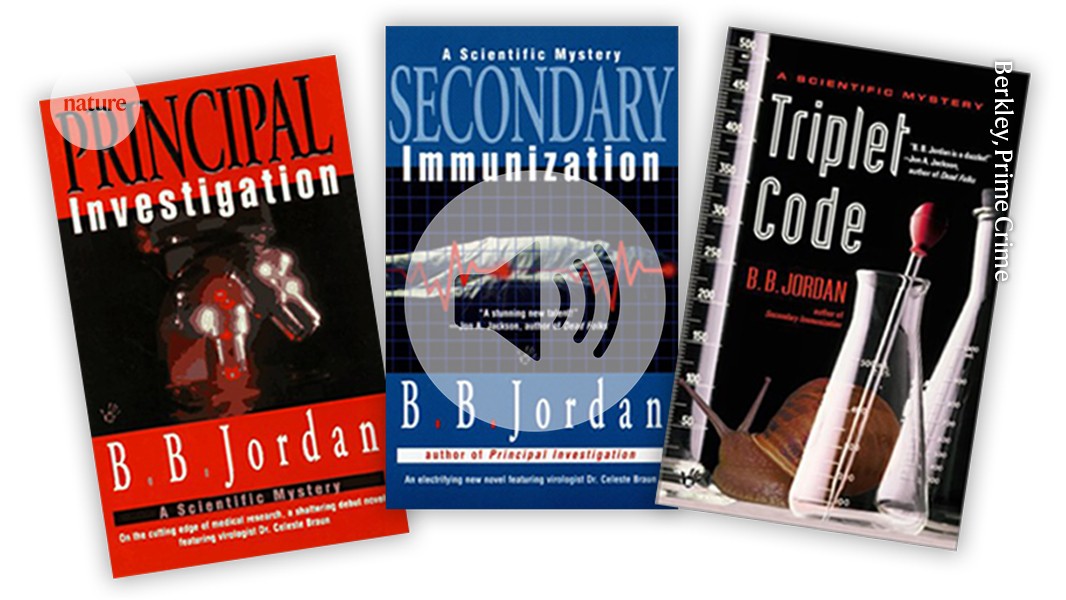
Frances Brodsky, a cell biologist at the University of California and author of three crime novels, published in *Nature* (May 22, 2026) that writing fiction has taught her perseverance and improved the clarity of her scientific manuscripts. While the original article contains no numerical data, the link between narrative and cognitive focus is well-supported by neuroscience. Functional MRI studies show that when we listen to or create stories, regions such as the dorsolateral prefrontal cortex—involved in sustained attention and planning—and the insula—related to empathy and emotional regulation—are activated. Storytelling is not just entertainment; it is brain training.

Structuring a plot—with beginning, conflict, and resolution—trains the brain to handle complex projects sequentially and adaptively. Brodsky applies this same framework to her research: when an experiment fails, she sees it as a plot twist, not a terminal failure. This cognitive reframing reduces cortisol levels and builds resilience, both key for cognitive longevity and metabolic health. Moreover, narrative writing stimulates neuroplasticity by forcing the brain to connect disparate ideas into a coherent structure, improving working memory and problem-solving abilities.
“"Writing fiction teaches you to persevere and see problems as part of a larger story. Every obstacle is a chapter that brings you closer to the resolution." — Frances Brodsky”
Key Findings

- Narrative perseverance: Brodsky states that fiction has taught her not to give up when facing lab obstacles. The structure of a novel—with its twists and moments of tension—prepared her to accept that failures are part of the process, not the end. This mindset is directly applicable to any biohacking protocol, where long-term adherence is the greatest challenge.
- Manuscript improvement: Story structure makes her scientific papers clearer and more compelling. By applying plot principles—exposition, conflict, resolution—Brodsky communicates complex results accessibly, increasing the impact of her publications. For a biohacker, this translates to the ability to document and share personal experiments effectively, whether on a blog or in a community.
- Skill transfer: The same storytelling approach applies to biohacking projects, such as designing a fasting protocol, interpreting wearable data, or planning a cold exposure routine. Narrative provides a mental framework that organizes information and maintains motivation.
- Creative synergy: Combining science and fiction boosts cognitive flexibility, essential for health innovation. The ability to think in multiple scenarios and adapt to unexpected outcomes is crucial both in research and personal optimization.

Why It Matters for the Biohacker
For the average biohacker, the lesson is clear: how you frame your work determines your success. If you see a health project as a story with obstacles and resolution, you are more likely to stay focused and motivated long-term. The perseverance Brodsky cultivates by writing novels is the same you need to stick with an intermittent fasting protocol for months, or to maintain a cold exposure routine when your body screams to quit. Narrative not only improves adherence but also reduces the perception of effort, as each step becomes part of a meaningful plot.
Moreover, narrative clarity improves communication of results. Whether you publish your nootropic experiments on a blog, discuss them with your doctor, or share them in a forum, telling a coherent story increases credibility and understanding. In a world abundant with health information but also misinformation, narrative sets you apart as a reliable source. Studies in science communication show that personal stories are remembered up to 22 times more than isolated data, underscoring their power to influence behavior.
Your Three-Step Protocol
Apply the Brodsky method to your next biohacking project. You don't need to write a novel, just adopt her narrative mindset. This protocol is designed for any goal: improving sleep, optimizing diet, increasing physical endurance, or enhancing cognition.
- 1Define the central conflict: Identify the main problem you want to solve. Be specific and measurable. For example: "My deep sleep has decreased by 20% in the last month, according to my Oura ring." This is your story's hook—the starting point that generates tension and motivates action. Without a clear conflict, there is no story.
- 2Design the plot with milestones: Structure your protocol as a three-act narrative. First, the exposition: establish your baseline (current data, habits, environment). Second, the conflict: describe the problem in detail and how it affects you. Third, the action: implement the intervention (e.g., 3 mg melatonin, 200 mg magnesium glycinate, and a digital shutdown routine 90 minutes before bed). Finally, the resolution: measure results after 2-4 weeks and compare to baseline. Each milestone is a chapter bringing you closer to the resolution.
- 3Revise and edit like a novelist: Just as Brodsky revises her manuscripts, adjust your protocol based on data. If the intervention doesn't work, it's not failure; it's a plot twist that enriches the story. Ask yourself: "What would a character learn from this?" and redesign the next chapter. Keep a journal where you note not only numbers but also emotions and unexpected obstacles. This reinforces the narrative and facilitates adherence.
What To Watch Next
Research on narrative and cognition is booming. Clinical studies are expected to quantify the impact of creative writing on adherence to health protocols, especially in chronic diseases like diabetes or hypertension. There is also interest in how personal stories improve doctor-patient communication, reducing anxiety and increasing understanding of complex treatments. In the biohacking space, companies like Levels and InsideTracker are already exploring how narrative gamification can improve adherence to their platforms.
Meanwhile, you can experiment on your own. Keep a journal of your biohacking experiments as if they were chapters of a mystery novel. Note unexpected twists—a glucose spike after a meal you thought was safe, a sleepless night after intense meditation—and how you overcame them. The next time a project stalls, ask yourself: "What would my main character do?" Probably, not give up.
The Bottom Line
Science and fiction are not at odds. Both require perseverance, structure, and adaptation. By adopting a narrative mindset, you will not only improve your focus on health projects but also make the process more enjoyable and meaningful. Your next big biohacking breakthrough may start with a good story. The future of human optimization lies not just in data, but in how we tell it. And you, as the protagonist of your own story, have the power to write the ending you desire.

:format(jpg):quality(99):watermark(f.elconfidencial.com/file/a73/f85/d17/a73f85d17f0b2300eddff0d114d4ab10.png,0,275,1)/f.elconfidencial.com/original/66e/269/927/66e269927e49231efd4132ecbe7cdab0.jpg)
:format(jpg):quality(99):watermark(f.elconfidencial.com/file/a73/f85/d17/a73f85d17f0b2300eddff0d114d4ab10.png,0,275,1)/f.elconfidencial.com/original/727/f5a/d8b/727f5ad8b901f926591e0cb3ed9a6951.jpg)