
The US grid is shifting back to renewables, and your lungs are the beneficiary.
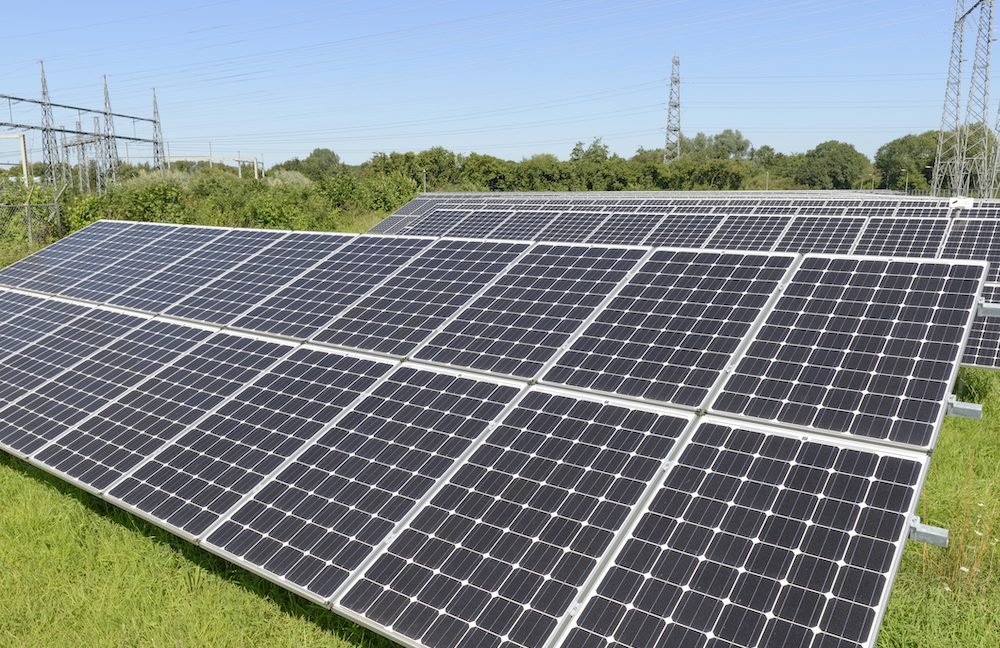
Your morning run might be getting cleaner. In the first quarter of 2026, solar and hydro generation are pushing coal off the US grid, reducing air pollution. This article dives into the data, the science behind the shift, and what it means for your long-term health.
The Science

The US electricity grid has returned to its pattern of slow demand growth and renewable expansion, after a brief scare in 2025 when demand grew 3% and coal made a comeback. According to the Energy Information Administration (EIA), total electricity demand in Q1 2026 rose only 1.5% compared to the same period last year. This moderate growth, combined with a surge in solar generation and an unexpected jump in hydroelectric output, has allowed coal to continue its decline.

The hydro increase is particularly striking: it occurred without any new capacity, suggesting that early snowmelt in the western US—due to unusually warm temperatures—has boosted river flows. This has a positive side for clean energy, but may bring consequences later in the year if the early melt reduces water supplies for irrigation and human consumption. Additionally, extreme weather has been a factor: while the West experienced record warmth, the East suffered a deep freeze that increased heating demand, complicating consumption patterns.
“The return to 1.5% demand growth and the expansion of renewables are accelerating coal's exit, with direct benefits for air quality.”
Emerging research in environmental health shows that chronic exposure to coal pollutants, such as fine particulate matter (PM2.5) and nitrogen oxides, is linked to accelerated epigenetic aging. A 2025 study in *Environmental Health Perspectives* found that people living near coal plants have an epigenetic age up to 2.5 years older than those in clean-air areas, after adjusting for other factors. This underscores the importance of the energy transition not just for climate, but for human longevity.
Key Findings
- Moderate demand growth: US electricity demand grew only 1.5% in Q1 2026, well below the 3% recorded in the same period of 2025. This is crucial because slower growth makes it easier to integrate renewables without needing new gas or coal plants.
- Solar boom: Solar generation has increased significantly, helping to displace coal in the energy mix. According to the EIA, installed solar capacity grew 18% year-over-year in Q1 2026, and actual generation rose 22% thanks to favorable weather.
- Hydro surge: Hydroelectric output has spiked without new capacity, thanks to early snowmelt in the West. Hydro generation in March 2026 was 14% higher than in March 2025, based on preliminary data.
- Extreme weather: The western US experienced unseasonably warm temperatures (up to 5°C above average), while the East suffered a deep freeze (temperatures up to 10°C below normal), complicating demand analysis and highlighting climate variability.
- Coal decline: Despite a brief rebound in 2025, coal continues its downward trend in 2026, replaced by renewables. Coal generation fell 8% year-over-year in Q1 2026, per the EIA.
Why It Matters
Reducing coal in the power grid has direct implications for respiratory and cardiovascular health. Coal plants emit fine particulate matter (PM2.5), sulfur dioxide, and nitrogen oxides—pollutants linked to asthma, heart disease, and premature death. Every gigawatt-hour of coal displaced by solar or hydro avoids tens of thousands of dollars in health costs, according to the American Lung Association.
For biohackers and longevity enthusiasts, air quality is a key environmental factor. Chronic exposure to air pollution accelerates epigenetic aging and increases oxidative stress. Thus, the energy transition is not just climate news—it's a large-scale public health intervention. A 2024 study in *Nature Aging* showed that reducing PM2.5 in the air correlates with a decrease in systemic inflammation markers, such as C-reactive protein, within just six months.
Moreover, indoor air pollution can be equally harmful. Since we spend 90% of our time indoors, indoor air quality in homes and offices is critical. The shift to clean energy reduces outdoor pollution, but can also improve indoor air quality by decreasing infiltration of outdoor pollutants.
Your Protocol
To leverage this shift and protect your health, consider the following:
- 1Monitor local air quality: Use apps like AirNow or PurpleAir to track PM2.5 levels in your area. If you live near a coal plant that's being replaced, you may see improvements in coming years. Set alerts for high-pollution days and adjust outdoor activities accordingly.
- 2Support clean energy policies: Participate in community solar programs or choose renewable electricity providers if available in your region. Individual demand can accelerate the transition. Also consider installing solar panels on your home if economically feasible.
- 3Optimize your home: Install HEPA air purifiers to reduce indoor exposure to pollutants, especially during outdoor pollution spikes. Improve ventilation and use indoor plants that absorb volatile organic compounds, such as pothos or snake plants.
- 4Measure your exposure: Use portable air quality monitors (e.g., Atmotube or Flow) to track your personal exposure throughout the day. This helps identify high-risk times and locations.
- 5Adopt an anti-inflammatory diet: Since air pollution increases oxidative stress, eating antioxidant-rich foods (berries, nuts, leafy greens) can help mitigate harmful effects. Supplementation with N-acetylcysteine (NAC) or curcumin may also be beneficial, under medical supervision.
What To Watch Next
The coming months will be crucial to see if demand growth remains moderate or if data center pressures resurface. Data center electricity demand has grown 12% annually over the past two years, and is expected to continue rising with AI expansion. If this trend accelerates, it could offset some renewable gains.
Additionally, the early snowmelt phenomenon could reduce hydro generation in summer, when air conditioning demand peaks. Analysts will also watch federal and state policies that may incentivize or slow renewable adoption, such as tax credits for solar and wind, which expire in 2027 unless renewed.
Finally, research on health effects of coal pollution continues to evolve. A longitudinal study at Harvard University is tracking 50,000 people living near coal plants to assess changes in lung function and epigenetic age as plants retire. Initial results are expected by late 2026.
The Bottom Line
The US electricity grid is in the midst of a transformation that benefits both climate and human health. Moderate demand growth and the rise of renewables are accelerating coal's exit, translating to cleaner air. For the environmentally conscious biohacker, this is a trend worth following and supporting. Stay informed, monitor your exposure, and adjust your environment to maximize the benefits of a cleaner planet. The scientific evidence is clear: every step toward a cleaner grid is a step toward a longer, healthier life.

:format(jpg):quality(99):watermark(f.elconfidencial.com/file/a73/f85/d17/a73f85d17f0b2300eddff0d114d4ab10.png,0,275,1)/f.elconfidencial.com/original/66e/269/927/66e269927e49231efd4132ecbe7cdab0.jpg)
:format(jpg):quality(99):watermark(f.elconfidencial.com/file/a73/f85/d17/a73f85d17f0b2300eddff0d114d4ab10.png,0,275,1)/f.elconfidencial.com/original/727/f5a/d8b/727f5ad8b901f926591e0cb3ed9a6951.jpg)