
Your cells are genetic mosaics. A new study published this week reveals that the origin of complex cells — the ones that build your body — was far more intricate than previously thought.
The Science
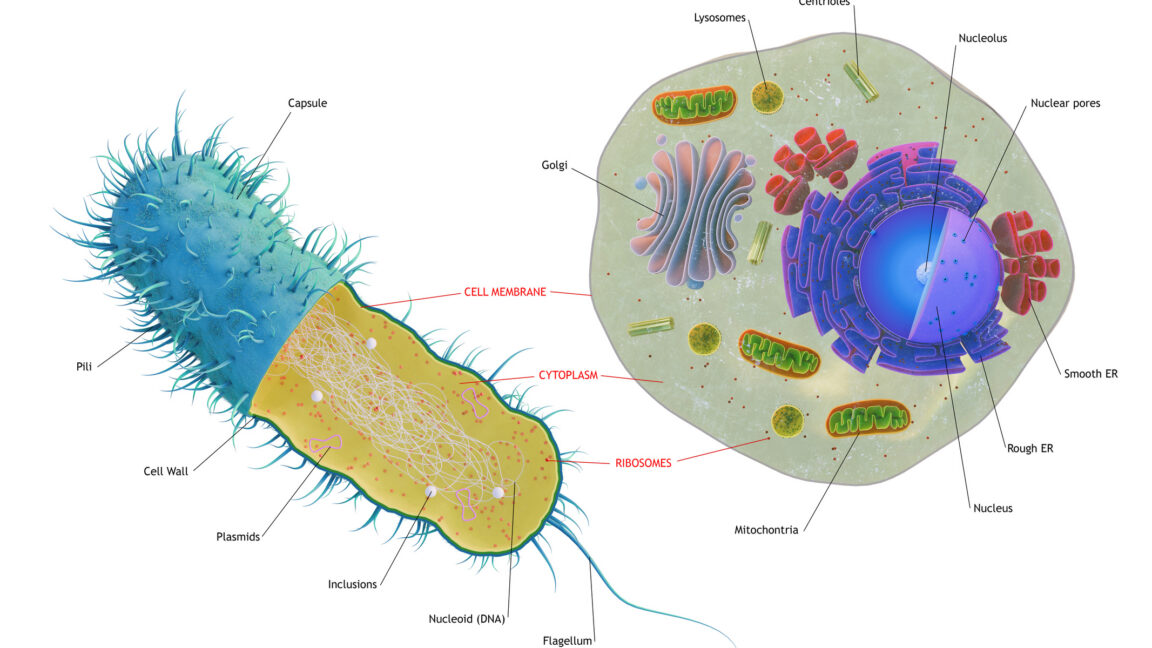
For decades, biologists assumed that the first eukaryotic cells arose from a single fusion between an archaeon and a bacterium. The bacterium would become the mitochondrion, the powerhouse that still retains its own DNA. But a detailed analysis of genes shared by all eukaryotes suggests a more complex story.

The study, published in *Ars Technica*, examined genes present in all eukaryotic cells and found evidence of multiple waves of gene transfer from bacteria into the eukaryotic lineage. This means the eukaryotic genome isn't simply a hybrid of two parents, but an amalgam of contributions from various bacterial species over time.
“"The eukaryotic genome is a testament to genetic promiscuity: not one fusion, but a series of borrowings and acquisitions."”
Key Findings

- Multiple waves: Researchers identified that bacterial gene transfers occurred in several phases, not a single event.
- Shared genes: They analyzed genes common to all eukaryotes, revealing signatures of both bacterial and archaeal origin.
- Mitochondrial origin: The core theory that mitochondria come from a bacterium still holds, but it's only part of the story.
- Growing complexity: The study suggests eukaryotic evolution was a gradual process of genetic integration.

Why It Matters
This finding reshapes our understanding of cell evolution, but it also has implications for human health. Dysfunctional mitochondria are implicated in metabolic diseases, neurodegeneration, and aging. If we better understand how bacterial genes were originally integrated, we might develop therapies that optimize mitochondrial function.
Moreover, horizontal gene transfer isn't just an ancient phenomenon: today, bacteria in your gut microbiome can exchange genes with your cells, influencing inflammation and immunity. This study reminds us that our genome is a dynamic ecosystem.
Your Protocol
While we can't change our evolutionary past, we can support mitochondrial health with evidence-based practices:
- 1Intermittent fasting: A 16-hour fast stimulates autophagy and mitochondrial biogenesis.
- 2High-intensity interval training: HIIT improves mitochondrial efficiency and density of these powerhouses.
- 3Cold exposure: Cold water immersion activates mitochondria in brown adipose tissue, boosting metabolism.
What To Watch Next
Researchers plan to sequence more genomes from primitive eukaryotes to refine the timeline of these transfers. Also expected are studies exploring how current horizontal gene transfer between gut bacteria and human cells affects long-term health.
The Bottom Line
Complex cells didn't arise from a single encounter but from a network of genetic exchanges. This richer view of our origins not only satisfies scientific curiosity but opens avenues for understanding mitochondrial diseases and developing longevity interventions. Your cells' past is more collaborative than you imagined.
Additional Context
The idea that eukaryotes arose from a fusion between an archaeon and a bacterium is known as the endosymbiotic theory, proposed by Lynn Margulis in the 1960s. This theory was revolutionary and is now widely accepted. However, the new study suggests a more complex story. The researchers used phylogenomic methods to trace the origin of thousands of genes in eukaryotic genomes. They found that many bacterial-origin genes do not come from the same bacterium that gave rise to mitochondria, but from multiple bacterial donors at different times. This implies that eukaryotic evolution was a continuous process of genetic assimilation, not a single event. Furthermore, the study highlights that archaea also contributed significantly, providing the basic cellular scaffolding. This hybrid and multi-phase view has profound implications for our understanding of the evolution of cellular complexity.
Implications for Longevity
Mitochondrial health is a central pillar of longevity. Dysfunctional mitochondria produce more reactive oxygen species (ROS) and less ATP, accelerating cellular aging. By understanding how bacterial genes were originally integrated into eukaryotic cells, scientists can identify key pathways that could be modulated to improve mitochondrial function. For example, certain integrated bacterial genes might be involved in mitochondrial dynamics, such as fusion and fission, which are critical for mitochondrial quality. Additionally, current horizontal gene transfer from the microbiome could influence the expression of mitochondrial genes. Recent studies have shown that gut bacteria can transfer small DNA fragments to human cells, potentially affecting mitochondrial function and inflammation. This opens the possibility of microbiome-based interventions to improve mitochondrial health and longevity.
Future Directions
The field of cell evolution is advancing rapidly. In the coming years, genomes of primitive eukaryotes, such as some protists and algae, are expected to be sequenced to refine the timeline of gene transfers. Computational models simulating early eukaryotic evolution are also being developed, integrating genomic and metabolic data. These models could predict which conditions favored the integration of bacterial genes. Moreover, research on horizontal gene transfer in humans is booming. Longitudinal studies are underway to assess how gene exchange between the microbiome and host affects health over a lifetime. For instance, certain gut bacteria have been observed to transfer genes encoding antioxidant enzymes, which could protect against mitochondrial oxidative damage. These investigations could lead to personalized therapies that optimize the genetic symbiosis between our cells and our bacteria.
Detailed Protocol
To support mitochondrial health based on evolutionary principles, here is a more detailed protocol:
- 1Intermittent fasting: Perform a 16-hour daily fast (e.g., eating between 12:00 PM and 8:00 PM). This activates autophagy, a process that removes damaged mitochondria, and stimulates mitochondrial biogenesis via the AMPK pathway. Fasting also reduces ROS production and improves energy efficiency.
- 2High-intensity interval training: Incorporate 20-minute HIIT sessions, 3 times per week. HIIT increases energy demand, forcing mitochondria to adapt by increasing their number and efficiency. It also enhances endogenous antioxidant capacity.
- 3Cold exposure: Immerse in cold water (10-15°C) for 2-3 minutes, 2-3 times per week. This activates mitochondria in brown adipose tissue, which burns fat to generate heat, improving metabolism and insulin sensitivity. It also increases irisin production, a hormone that promotes mitochondrial biogenesis.
- 4NAD+ supplementation: Consider NAD+ precursor supplements such as nicotinamide riboside (NR) or nicotinamide mononucleotide (NMN). NAD+ is essential for mitochondrial function, and its decline with age contributes to aging. Typical doses: 250-500 mg/day of NR or 250 mg/day of NMN, under medical supervision.
- 5Polyphenol-rich diet: Consume foods like blueberries, green tea, dark chocolate, and extra virgin olive oil. Polyphenols activate the sirtuin pathway and improve mitochondrial function. For example, resveratrol from red wine (in moderate doses) has shown positive effects in animal models.
- 6Quality sleep: Ensure 7-8 hours of deep sleep. During sleep, elimination of dysfunctional mitochondria and repair of mitochondrial DNA occur. Melatonin, in addition to regulating sleep, is a potent mitochondrial antioxidant.
- 7Stress management: Practice meditation or deep breathing to reduce chronic cortisol, which damages mitochondria. Cortisol-induced oxidative stress accelerates mitochondrial aging.
This protocol integrates evolutionary insights with modern biohacking practices to optimize mitochondrial health and promote longevity.
:format(jpg):quality(99):watermark(f.elconfidencial.com/file/a73/f85/d17/a73f85d17f0b2300eddff0d114d4ab10.png,0,275,1)/f.elconfidencial.com/original/33f/41b/dc6/33f41bdc6944019e8127cae20d107912.jpg)