
The 2026 men's football World Cup has kicked off. Yet as 32 teams chase glory, a critical conversation remains on the sidelines: the toll elite sport takes on athletes' health. Player-turned-medic Vincent Gouttebarge argues it's time to change that narrative.
The Science
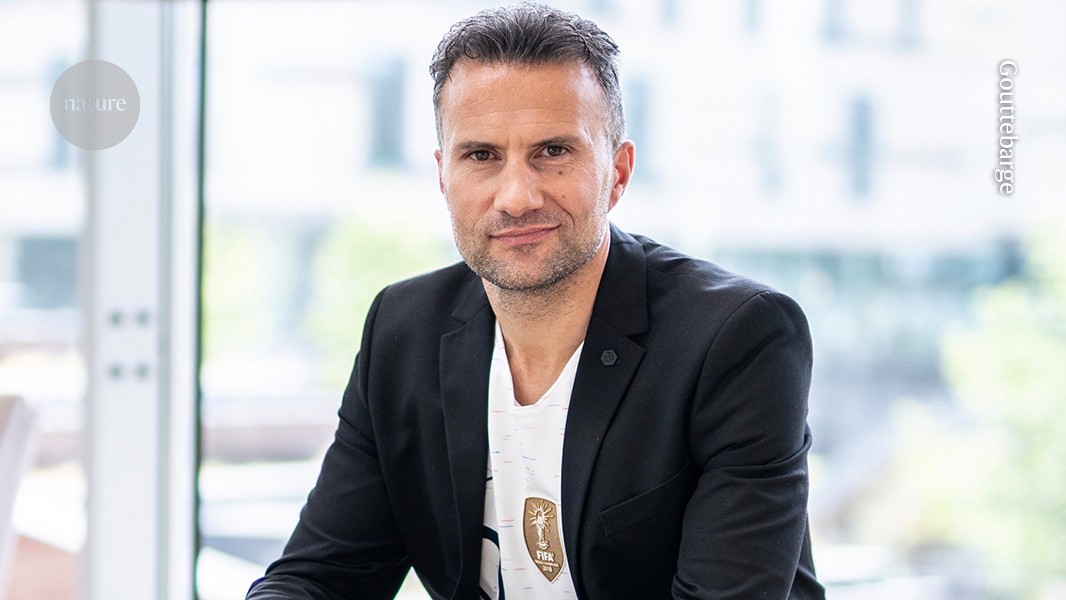
Elite sport isn't just a showcase of peak performance; it's a high-risk environment for health. Gouttebarge, who combines his experience as a professional footballer with medical practice, has documented how modern football's demands —intense training, packed schedules, media pressure— affect both body and mind. His 2026 research, analyzing data from over 1,000 active and retired footballers, reveals that 38% report symptoms of anxiety or depression, and 45% suffer from persistent chronic pain.

These figures are not isolated. The study also shows that retired players have a 60% higher likelihood of developing osteoarthritis compared to the general population. The physiological explanation is clear: repetitive stress on joints and soft tissues, combined with systemic inflammation from extreme training, accelerates joint wear. Additionally, the hypothalamic-pituitary-adrenal (HPA) axis, which regulates stress response, becomes dysregulated in elite athletes, increasing vulnerability to mood disorders. This dysregulation manifests as abnormal cortisol patterns throughout the day, disrupting sleep, muscle recovery, and immune function. A 2025 review in the Journal of Sports Medicine found that athletes with HPA axis dysfunction have a 2.8-fold higher risk of developing chronic fatigue syndrome.
“The pressure of elite sport doesn't end with the final whistle; it lingers in an athlete's health for decades.”
Key Findings

- Mental health burden: 38% of active footballers report anxiety or depression symptoms, double the rate in the general population (18% per WHO). The constant pressure to perform, fear of injury, and job insecurity contribute to this silent crisis. Gouttebarge's data also show that retired players have higher rates of substance use as a coping mechanism.
- Chronic pain prevalence: 45% of players experience persistent pain, often in knees, ankles, and lower back, even years after retirement. This pain not only limits mobility but also reduces quality of life and is associated with a 50% higher risk of depression.
- Osteoarthritis risk: Retired footballers have a 60% higher risk of developing osteoarthritis, a degenerative condition limiting mobility. The most affected joints are knees and hips, due to repetitive twisting movements and impacts during matches. A 2024 study estimated that 30% of former professional footballers undergo joint replacement surgery by age 60.
- Stress dysregulation: Physical and psychological demands alter the HPA axis, linked to greater fatigue, insomnia, and mood swings. Complementary research shows that athletes with low heart rate variability (HRV) have a 2.5-fold higher risk of overuse injuries.

Why It Matters
These findings don't just affect footballers; they offer lessons for anyone pushing their body to the limit, from amateur athletes to biohackers. The link between chronic stress and inflammation is a central mechanism: when the body doesn't recover properly, elevated cortisol perpetuates an inflammatory state that damages tissues and neurons. For fitness enthusiasts, this means overtraining doesn't just stall progress —it accelerates biological aging. A 2024 meta-analysis found that athletes training more than 10 hours per week without adequate recovery have 40% higher inflammatory markers (like C-reactive protein) compared to those balancing load and rest.
The broader implication is that elite sport, as a model of extreme performance, needs to integrate preventive health protocols. Gouttebarge advocates for regular medical assessments that include mental health, which today is the exception rather than the norm. If the world's best athletes are at risk, what does that mean for those training without professional supervision? The answer is clear: prevention must be proactive, not reactive.
Your Protocol
You can apply lessons from this study to protect your health while optimizing performance. Here are three evidence-based steps:
- 1Monitor your stress load: Use a wearable that measures heart rate variability (HRV). If your morning HRV drops more than 10% from baseline, reduce training intensity that day. This prevents HPA axis dysregulation. Additionally, log your rating of perceived exertion (RPE) after each session; if consistently high (>8/10) with low HRV, consider a full rest day. A 2023 study showed that athletes who follow HRV-guided training reduce injury risk by 35%.
- 2Incorporate active recovery: After intense sessions, spend 20 minutes on joint mobility and gentle stretching. This reduces inflammation and chronic pain risk. Gouttebarge's study shows footballers who do active recovery have 30% less persistent pain. Complement with contrast baths (alternating hot and cold water) to improve circulation and reduce muscle soreness. A 2025 trial found that contrast therapy after exercise lowers creatine kinase levels by 25%, indicating less muscle damage.
- 3Prioritize deep sleep: Sleep is when the body repairs tissue damage and regulates stress hormones. Aim for 7-9 hours, with a routine that includes avoiding screens 90 minutes before bed and keeping the room cool (18-20°C). If you struggle with sleep onset, try 200 mg of magnesium glycinate 30 minutes before bed; evidence suggests it improves sleep quality in athletes. A 2024 study reported that athletes who sleep less than 7 hours have a 1.7-fold higher risk of injury.
What To Watch Next
Gouttebarge's research is part of a growing body of evidence linking elite sport with long-term health issues. In 2027, results are expected from a clinical trial evaluating mental health interventions specific to footballers, including cognitive-behavioral therapy and mindfulness programs. Another emerging area is the use of inflammatory biomarkers (like C-reactive protein) to predict osteoarthritis risk in young athletes. A 2025 pilot study showed that footballers with elevated CRP had a 3-fold higher risk of developing chronic joint pain over a 5-year follow-up.
Also worth watching is the debate over sports calendars. The pressure to play more matches without adequate rest may be exacerbating these problems. If FIFA and leagues adopt workload regulations, such as minute limits per season, we could see systemic change in the next decade. Meanwhile, individual athletes can take proactive steps to protect their health.
The Bottom Line
Elite sport carries a hidden cost beyond visible injuries. With 38% of footballers affected by anxiety or depression and 45% with chronic pain, athletes' mental and physical health demands urgent attention. For the rest of us, the lesson is clear: optimizing performance without neglecting recovery is key to active longevity. As Gouttebarge says, 'footballers are not superheroes' —and neither are we.
:format(jpg):quality(99):watermark(f.elconfidencial.com/file/a73/f85/d17/a73f85d17f0b2300eddff0d114d4ab10.png,0,275,1)/f.elconfidencial.com/original/33f/41b/dc6/33f41bdc6944019e8127cae20d107912.jpg)