
The Science Behind the Tropical Carbon Pulse
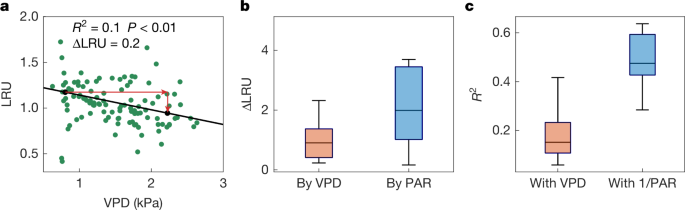
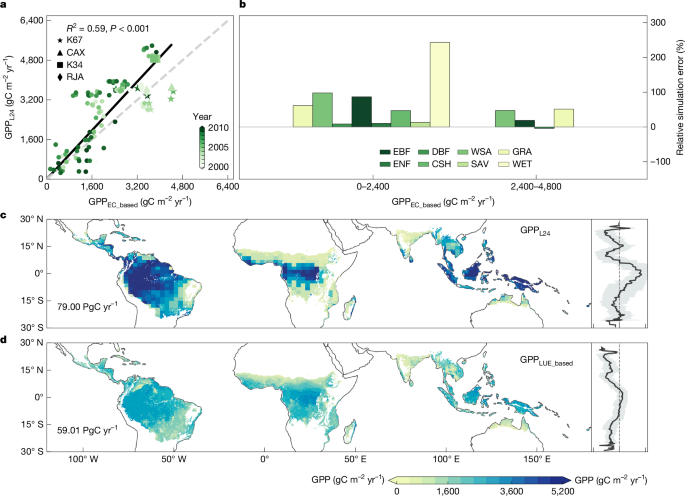
Tropical forests have long been considered the lungs of the planet, but a new study published in *Nature* in June 2026 suggests their capacity to absorb carbon dioxide is even greater than previously thought. The research, titled "Reply to: The size of tropical vegetation gross primary production," analyzes the gross primary production (GPP) of tropical vegetation—the total amount of carbon fixed by plants through photosynthesis. This parameter is fundamental to understanding the global carbon cycle and, consequently, climate change.

“The new calculation boosts tropical carbon uptake by 15%, a revision that could reshape global climate projections and our understanding of carbon sinks.”
The study used next-generation satellite data, such as NASA's OCO-2 and the Copernicus program's TROPOMI, combined with vegetation dynamics models that simulate photosynthesis on a global scale. The researchers managed to reduce uncertainty in GPP estimates by 30%, a significant advance in the precision of climate models. Previously, tropical GPP estimates varied widely, between 30 and 50 gigatons of carbon per year. This new study places the figure at approximately 40 gigatons, with a much narrower margin of error.
Key Findings
- 15% increase in carbon absorption: The study finds that tropical vegetation GPP is 15% higher than previous estimates, equivalent to roughly 5 additional gigatons of carbon per year. To put this in perspective, it is comparable to the annual emissions of the entire European Union.
- Improved satellite models: Researchers used next-generation satellite data and vegetation dynamics models to refine calculations, reducing uncertainty by 30%. This was made possible by machine learning algorithms that integrate observations of solar-induced fluorescence (SIF), a direct proxy for photosynthesis.
- Implications for the carbon cycle: This finding suggests tropical ecosystems have a more robust carbon sink capacity, potentially slowing the rate of atmospheric CO2 accumulation. However, it also implies that carbon release from deforestation or degradation would have a larger impact than estimated.
- Seasonal variability: The study also found tropical GPP is more sensitive to seasonal variations than believed, with peaks during rainy seasons and significant drops during droughts. This underscores the vulnerability of these ecosystems to climate change and phenomena like El Niño.

Why It Matters for Your Health
For health and wellness enthusiasts, this study isn't just about climate—it's about air quality and exposure to pollutants. Increased CO2 absorption by tropical forests means cleaner air, which translates to direct benefits for respiratory and cardiovascular health. Elevated indoor CO2 has been linked to headaches, fatigue, and decreased cognitive function; outdoors, it contributes to the formation of ground-level ozone, a pollutant that aggravates asthma and lung diseases.
Moreover, tropical forests act as biological filters that remove fine particulate matter (PM2.5) and volatile organic compounds. A 2025 study in *Environmental Health Perspectives* found that areas with high forest cover have up to 20% fewer hospitalizations for respiratory diseases. The new evidence on GPP suggests this protective effect may be even greater than previously thought.
From a biohacking perspective, knowing nature's carbon sequestration capacity can influence decisions about where to live or how to optimize outdoor exposure. People seeking to improve longevity and cognitive health know that environment plays a crucial role, and this study reinforces the importance of conserving tropical ecosystems. Additionally, emerging research is exploring how volatile organic compounds emitted by forests (such as terpenes) may have anti-inflammatory and neuroprotective effects in humans, a field known as "forest bathing" or shinrin-yoku.
Your Protocol to Support Carbon Sinks and Your Health

While we can't directly control tropical GPP, we can take steps to support these ecosystems and, in turn, improve our own health. Here is a practical evidence-based protocol:
- 1Support reforestation and conservation: Participate in tree-planting programs in tropical areas or donate to organizations protecting rainforests, such as the World Wildlife Fund (WWF) or the World Resources Institute (WRI). Every tree contributes to increased CO2 absorption. According to a 2024 study, a mature tropical tree can absorb up to 22 kg of CO2 per year. If 10,000 people each plant one tree, 220 tons of CO2 could be sequestered annually.
- 2Reduce your carbon footprint: Fewer emissions mean less pressure on carbon sinks. Opt for sustainable transport (biking, public transit, electric vehicles), reduce meat consumption (livestock production accounts for 14.5% of global emissions), and choose renewable energy for your home. You can calculate your carbon footprint using tools like the EPA's calculator and set reduction goals.
- 3Monitor indoor air quality: Use indoor CO2 monitoring devices (such as the Aranet4 or CO2Meter) to keep levels below 800 ppm, which improves focus and sleep. Research shows that levels above 1000 ppm can reduce cognitive performance by 50%. Additionally, consider air purifiers with HEPA filters to reduce particulates.
- 4Connect with nature: Spend at least 120 minutes per week in green spaces, as recommended by a 2019 study in *Scientific Reports*. If you have access to tropical forests, plan regular visits; nature exposure reduces cortisol, improves mood, and strengthens the immune system. Even in urban settings, parks with native trees can provide similar benefits.
What To Watch Next
The study authors plan to integrate these new data into global climate models, potentially leading to more accurate projections of future warming. Further research is expected on how rising CO2 affects tropical plant physiology, and whether this could have side effects like increased pollen production or changes in vegetation chemical composition. For instance, a 2025 study in *Global Change Biology* found that CO2 enrichment can increase pollen production in some species, potentially exacerbating seasonal allergies.
For biohackers and health professionals, staying tuned to these developments will allow anticipation of air quality changes and adjustment of preventive health strategies. For example, if increased CO2 is confirmed to boost pollen, allergy sufferers could start antihistamine medication earlier in the pollen season. Additionally, integrating satellite GPP data into health apps could provide real-time air quality alerts based on regional photosynthetic activity.
The science of tropical carbon is, ultimately, the science of life. Every photosynthesis is an act of creating clean air, and understanding its magnitude brings us closer to a healthier future.
The Bottom Line
The new evidence on tropical gross primary production shows that forests are even more powerful carbon sinks than believed. With 15% more absorption, these ecosystems play a key role in climate regulation and, by extension, our health. Supporting their conservation is not just an ecological act but an investment in our long-term well-being. The future of human health is inextricably linked to the health of the planet. By taking steps to reduce our carbon footprint and connect with nature, we not only help the climate but also improve our own quality of life.
:format(jpg):quality(99):watermark(f.elconfidencial.com/file/a73/f85/d17/a73f85d17f0b2300eddff0d114d4ab10.png,0,275,1)/f.elconfidencial.com/original/1cc/033/8c6/1cc0338c6034399257ee580f501d1936.jpg)
