Space Biohacking: The Resilience Protocol from Artemis II and Its Eart
Artemis II demonstrates how 4 astronauts manage extreme stress through integrated protocols that optimize physiological and cognitive performance. Biohackers ca
Extreme resilience requires integrated protocols that optimize every bodily system under stress, transforming environmental limitations into adaptation catalysts.
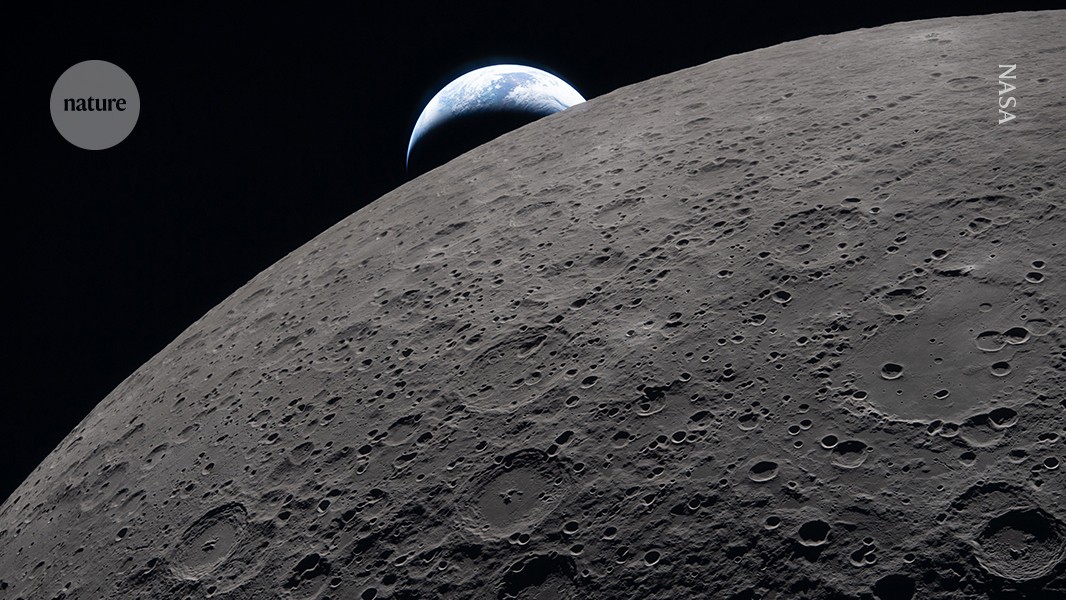
The Artemis II lunar mission, scheduled to orbit the Moon with 4 astronauts in 2025, faces criticism over its estimated $4.1 billion cost, b...
Extreme stress in space causes measurable physiological changes that accelerate processes normally associated with aging. Prolonged exposure...
The Artemis II lunar mission, scheduled to orbit the Moon with 4 astronauts in 2025, faces criticism over its estimated $4.1 billion cost, but its human resilience science represents invaluable advancement. The protocols developed specifically for this crew offer applicable strategies that transform extreme stress into optimization opportunities. While the mission aims to establish sustainable human presence in deep space, its lessons about human adaptation have immediate implications for those facing terrestrial pressures.
The Science Behind Space Resilience
Extreme stress in space causes measurable physiological changes that accelerate processes normally associated with aging. Prolonged exposure to microgravity, cosmic radiation (approximately 50-2,000 millisieverts on lunar missions), and social isolation triggers systemic responses affecting everything from bone density (1-2% monthly loss) to cognitive function. Artemis II astronauts will face conditions that compress decades of Earth stress into months, creating a unique laboratory to study anti-aging interventions in real time. This temporal compression allows observation of phenomena that would normally require years-long longitudinal studies, offering insights into how the human body adapts (or fails to adapt) to hostile environments.
astronaut undergoing resilience training with monitoring devices
NASA has developed countermeasures based on decades of research from Apollo missions to the International Space Station. These interventions don't just mitigate damage—they actively optimize human performance through an integrated approach combining continuous physiological monitoring, precision nutrition, and active recovery protocols. Each bodily system receives specific attention: circadian rhythm regulation through controlled blue light exposure, muscle mass preservation through resistance exercises on specialized devices, and cognitive protection through mental stimulation protocols. What's revolutionary is the proactive approach: rather than simply preventing deterioration, the protocols seek to enhance human capabilities even under adverse conditions.
“Extreme resilience requires integrated protocols that optimize every bodily system under stress, transforming environmental limitations into adaptation catalysts.”
Key Research Findings
Key Research Findings
Accelerated Stress as Laboratory: Space conditions compress decades of Earth stress into months, allowing real-time study of anti-aging interventions. This temporal compression effect reveals how factors like systemic inflammation, oxidative stress, and mitochondrial dysfunction interact under extreme pressure.
Continuous Personalized Monitoring: Astronauts use advanced wearables measuring 15 biomarkers simultaneously, including heart rate variability, salivary cortisol levels, inflammation markers, and sleep parameters. This data enables daily protocol adjustments, creating truly personalized medicine in real time.
Active Recovery as Central Strategy: Protocols include specific exercises countering muscle and bone atrophy in microgravity, but also cognitive techniques like guided meditation and vestibular stimulation that maintain neural function. Recovery is conceived not as passivity, but as active intervention.
Dynamic Precision Nutrition: Diets are optimized for each mission phase (pre-launch, transit, lunar activities, return), with adjustments based on real-time physiological data. Nutrients that combat oxidative stress and maintain mitochondrial integrity are prioritized.
screen displaying biometric data from multiple astronauts simultaneously
Why This Science Matters for Earth Life
The protocols developed for Artemis II represent the cutting edge of human optimization under stress, validated in the most extreme conditions imaginable. While critics debate mission costs, biohackers and health professionals recognize the value of these strategies whose efficacy has been tested where the margin for error is minimal. The mechanisms studied in astronauts have direct applications for high-performance professionals, executives under chronic pressure, elite athletes, and anyone seeking to improve resilience in an increasingly demanding world.
Technology transfer isn't limited to expensive hardware. The fundamental principles are universally applicable: progressive stress adaptation, active recovery as integral to performance, and data-driven monitoring to guide decisions. The mission demonstrates that human optimization doesn't require perfect conditions, but smart protocols that work within existing constraints. This radically shifts the biohacking paradigm: instead of seeking ideal environments (perfect diet, perfect sleep, zero stress), we learn to optimize performance within real limitations, using stress itself as an adaptation tool.
Practical applications emerge across multiple domains: in medicine, these protocols inform treatments for patients with chronic diseases experiencing constant physiological stress; in psychology, they offer frameworks for building mental resilience; in workplace settings, they provide strategies for maintaining cognitive performance under pressure. The deepest lesson is that human limits are more flexible than we believe when we apply evidence-based interventions systematically.
Your Artemis II-Inspired Resilience Protocol
Your Artemis II-Inspired Resilience Protocol
Implement space resilience principles in your daily routine. These protocols are designed to work with available resources, prioritizing high-impact interventions based on Artemis II evidence.
1Establish Your Multidimensional Stress Baseline: During two normal weeks, monitor your resting heart rate (ideally below 60 bpm for healthy adults), heart rate variability (HRV, aiming for standard deviation above 50 ms), sleep quality (7-9 hours with at least 20% deep sleep), and perceived stress levels using a daily 1-10 scale. Use affordable wearables like sleep rings or fitness bands, or validated apps like HRV4Training. This multidimensional baseline lets you detect subtle deviations when facing acute or chronic stress.
2Design a Personalized Active Recovery System: Include brief but strategic movement sessions after periods of cognitive or physical stress. Ten to fifteen-minute walks in nature (forest bathing), dynamic stretches emphasizing multi-joint movements, or diaphragmatic breathing protocols (4-7-8: inhale 4 seconds, hold 7, exhale 8) activate parasympathetic recovery processes without requiring extensive time. Consistency is key: better 10 minutes daily than one hour weekly.
3Layer Your Nutrition According to Stress Load: Adjust nutritional intake based on measurable stress load. During periods of high cognitive or physical demand, increase antioxidants (berries, leafy greens, green tea) and omega-3 fatty acids (fatty fish, chia seeds) that combat oxidative stress. Prioritize high-quality protein (1.6-2.2 g/kg body weight for active individuals) to preserve muscle mass during recovery. Consider strategic supplementation with vitamin D (especially in winter or with limited sun exposure) and magnesium (crucial for nerve function and muscle recovery).
4Implement Artificial Circadian Rhythms: If you work night shifts or travel frequently, create consistent circadian signals through controlled blue light exposure in the morning (bright light of 10,000 lux for 20-30 minutes) and avoiding blue light 2-3 hours before sleep. Maintain consistent meal times even when your sleep schedule varies, as feeding rhythms powerfully influence peripheral biological clocks.
person using multiple wearables while performing breathing exercises and consulting data on tablet
What to Watch in Emerging Research
Post-Artemis II research will generate unique longitudinal data on these protocols' effectiveness. Follow-up studies will assess how physiological and cognitive adaptations persist after return to Earth, providing crucial insights into human plasticity and benefit retention. Particularly interesting will be analysis of how epigenetics changes induced by space stress persist or reverse, offering insights into cellular stress memory.
Emerging wearable monitoring technologies will make these strategies accessible to broader populations. Next-generation sensors (commercially available from 2026-2027) will measure oxidative stress markers, systemic inflammation (C-reactive protein), and mitochondrial function in real time through light spectroscopy or sweat analysis. This democratization of high-resolution physiological data will enable more precise, personalized protocols for diverse populations, from athletes to chronic patients.
Promising research areas include the interaction between gut microbiome and stress resilience (the "gut-brain-space axis"), use of virtual reality for cognitive resilience training, and development of specific nutraceuticals that mimic the adaptogenic effects observed in astronauts. The convergence of space biology, data science, and personalized medicine is creating a new interdisciplinary field dedicated to optimizing human performance in adverse conditions.
The Bottom Line: From Space to Everyday Life
The Bottom Line: From Space to Everyday Life
Artemis II's resilience protocols offer more than a technical framework; they represent a philosophical shift in how we approach human limits. Implement multidimensional baseline monitoring, strategic active recovery, layered nutrition, and artificial circadian management to build daily resilience that transcends circumstances. Space science continues to reveal that humans are remarkably adaptable when we apply evidence-based interventions systematically.
What's most transformative is the underlying mindset: instead of viewing stress as an enemy to avoid, we learn to use it as a signal to activate adaptation protocols. Instead of seeking perfect conditions, we develop resilience that works within real imperfections. Artemis II reminds us that the greatest advances in human optimization often emerge not from comfort, but from the need to survive and thrive in challenging environments. These lessons, validated 238,855 miles from Earth, have the power to transform how we live, work, and grow on our home planet.