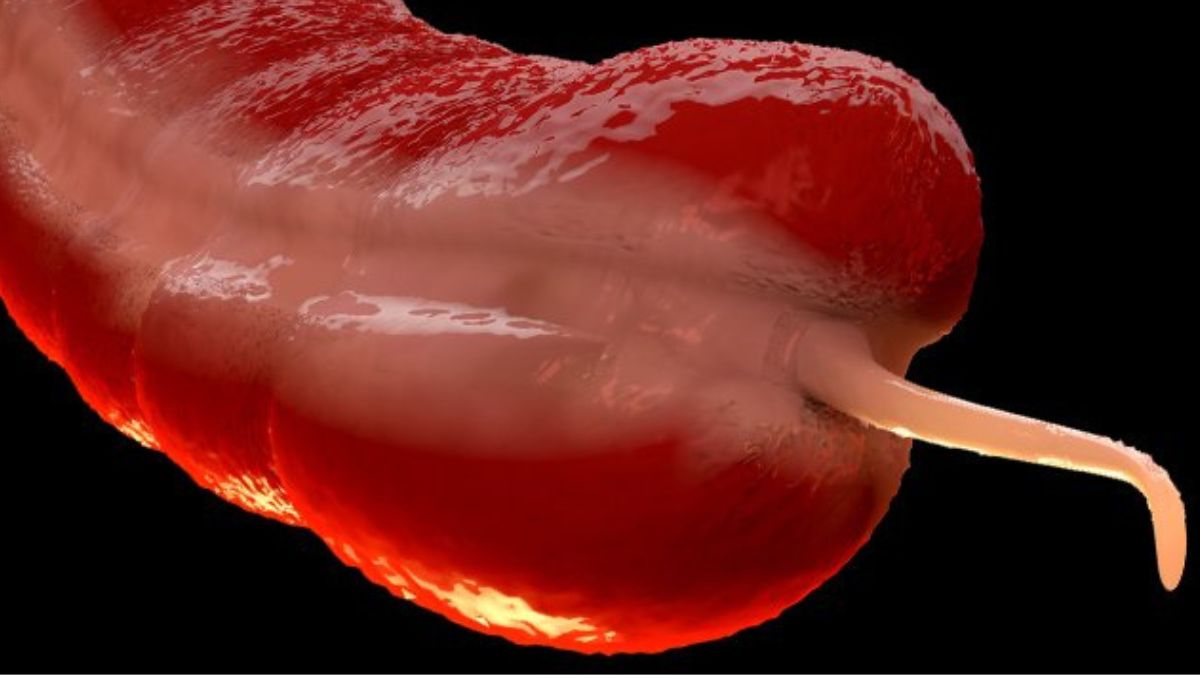
A rare flesh-eating parasite has resurfaced in Texas after 60 years. This article delves into the science, key findings, public health implications, and a practical 5-step protocol based on available evidence.
The Science Behind the Parasite
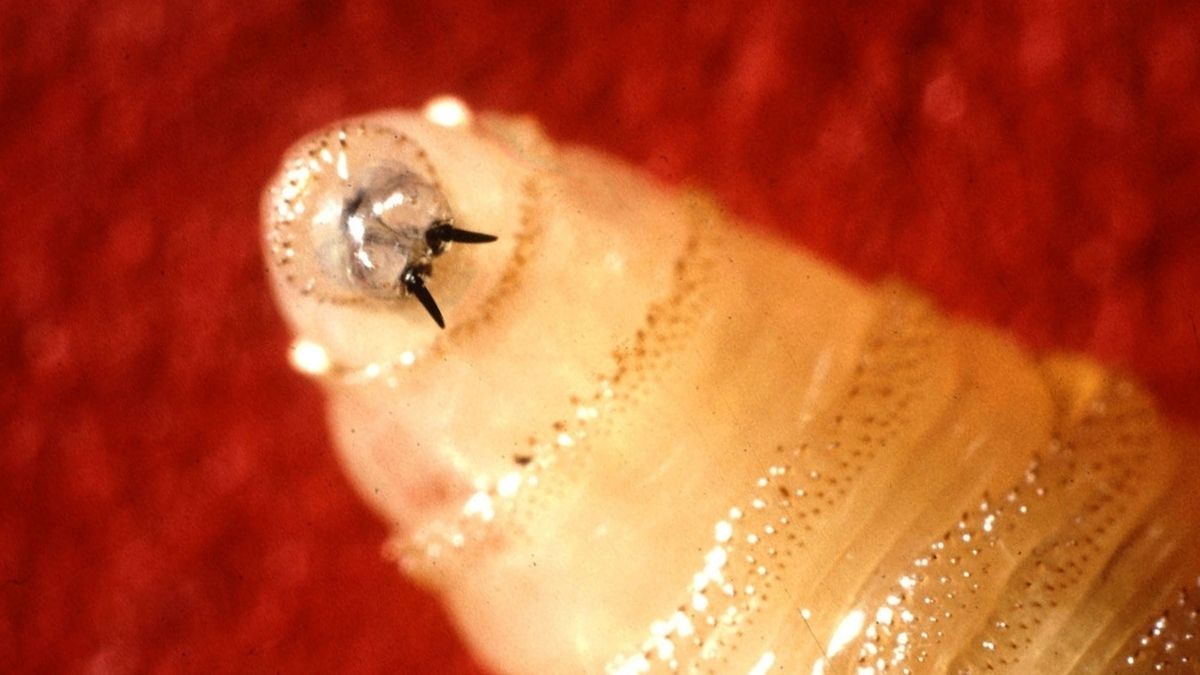
Leishmania is a protozoan parasite transmitted by the bite of infected female sandflies of the genus Lutzomyia. Several species cause different forms of leishmaniasis: cutaneous, which produces disfiguring ulcers; mucocutaneous, affecting mucous membranes; and visceral, which attacks internal organs like the spleen and liver, and is fatal without treatment. The last confirmed case in Texas was in 1966, making this a significant public health event in the United States.

The parasite is endemic in tropical and subtropical regions of Latin America, Africa, Asia, and southern Europe. However, climate change, deforestation, and international travel are expanding its geographic range. In this case, the infected person had not traveled abroad, suggesting autochthonous local transmission. Health authorities, including the CDC and the Texas Department of State Health Services, are investigating the exact origin, conducting sandfly trapping, and analyzing potential animal reservoirs such as rodents and dogs. The reappearance could be due to a combination of factors: rising temperatures favoring vector survival, migration of infected animals, or simply improved diagnostic surveillance.
“The reappearance of Leishmania in Texas marks a milestone in the epidemiology of tropical diseases in the United States and underscores the need for robust surveillance systems.”
The parasite's life cycle is complex: sandflies become infected when feeding on an infected host (human or animal), and then transmit the infectious form (promastigote) to another host during a bite. Once in the skin, parasites are phagocytized by macrophages, where they transform into amastigotes and multiply intracellularly, evading the immune response. This evasion mechanism is fascinating and makes it a model for studying immunomodulation and pathogen survival strategies.
Key Findings

- Index case: Confirmed in Texas in 2026, the first since 1966, with no history of international travel. The specific strain is still being identified, but Leishmania mexicana or L. infantum is suspected.
- Transmission: Via bite of infected sandflies (Lutzomyia spp.), present in the southern United States, especially Texas, Oklahoma, and Louisiana. Not transmitted person-to-person.
- Cutaneous symptoms: Painless non-healing ulcers with raised borders and granulomatous base, appearing weeks to months after the bite. Visceral symptoms: prolonged fever, weight loss, hepatomegaly, splenomegaly, and anemia.
- Diagnosis: Made by visualizing the parasite in biopsies or bone marrow aspirates, serological tests (ELISA, IFI), and PCR. Early diagnosis is crucial to avoid complications.
- Treatment: Pentavalent antimonials (sodium stibogluconate) and liposomal amphotericin B, with success rates over 90% if detected early. Miltefosine is an oral alternative for certain strains.

Why It Matters for the Biohacking and Preventive Health Community
For those seeking to optimize health and prevent disease, this case underscores the importance of epidemiological surveillance and adaptation to environmental changes. Although the risk to the general population is low (estimated annual incidence in the U.S. is fewer than 100 cases, mostly imported), those who travel to rural areas of Texas, work outdoors (farmers, hunters, campers), or have pets that could be reservoirs should be informed.
Leishmaniasis can be mistaken for common bacterial infections (like staph or strep), fungal infections, or skin cancer, delaying diagnosis. This is critical because early treatment reduces morbidity and prevents visceral dissemination. Moreover, the reappearance could spur research into vaccines (none currently approved for humans) and innovative therapies such as cytokine immunotherapy or nanoparticles.
From a biohacking perspective, understanding how Leishmania manipulates the immune system (inhibiting nitric oxide production and modulating Th1/Th2 response) offers lessons in immunomodulation. Maintaining a balanced immune system with a diet rich in antioxidants, omega-3s, and probiotics could theoretically help control infection, though direct evidence is lacking. Emerging research also explores photodynamic therapy and essential oils (e.g., tea tree oil) as topical adjuvants.
Your 5-Step Protocol

If you live in or travel to areas with sandflies in Texas or other southern states, implement this protocol based on CDC and WHO recommendations:
- 1Bite protection: Use EPA-registered repellents containing DEET (20-30%), picaridin (20%), IR3535, or oil of lemon eucalyptus (OLE). Apply to exposed skin and clothing. Wear long-sleeved shirts, long pants, and socks, preferably treated with permethrin (follow washing instructions). Sleep under permethrin-treated bed nets if in rural areas or high sandfly density.
- 2Symptom monitoring: If you develop a skin ulcer that does not heal within 2-3 weeks, or systemic symptoms like fever and weight loss, see a doctor immediately. Mention your geographic exposure and the possibility of leishmaniasis. Request a biopsy or PCR if clinical suspicion exists.
- 3Immune support: Although no direct prevention evidence exists, maintaining a robust immune system may help control infection. Prioritize quality sleep (7-9 hours), balanced nutrition (vitamins A, C, D, zinc, selenium), moderate exercise, and stress management (meditation, deep breathing). Avoid excessive alcohol and tobacco, which can immunosuppress.
- 4Pet control: Dogs can be reservoirs for Leishmania infantum. If you have a dog in endemic areas, consult a veterinarian about sandfly repellent collars or spot-ons (deltamethrin, permethrin). Do not let your dog sleep outdoors without protection. In high-risk areas, consider canine vaccination (available in Europe, not in the U.S.).
- 5Environmental vigilance: Reduce sandfly exposure by avoiding outdoor activities during twilight (dawn and dusk), when they are most active. Eliminate potential breeding sites: avoid accumulations of moist organic matter, leaf litter, and animal feces. Use fans in outdoor areas (sandflies are weak fliers). Report sandfly sightings to local health authorities.
What To Watch in the Coming Months
The CDC has initiated active surveillance in Texas and neighboring states, including sandfly trapping and testing of animal reservoirs. Data on the prevalence of infected sandflies and geographic distribution of the parasite are expected in the coming months. Early-phase clinical trials for a Leishmania vaccine (such as the ChAd63-KH vaccine based on chimpanzee adenovirus) are underway and could accelerate after this case. Additionally, rapid diagnostic tools (urine antigen tests) are being developed to facilitate field detection.
The scientific community is also investigating the impact of climate change on the expansion of vector-borne diseases. Predictive models suggest that by 2050, the distribution range of Lutzomyia in the U.S. could double, reaching states like Kansas and Missouri. This makes surveillance and preparedness essential.
The Bottom Line
The reappearance of Leishmania in Texas is a reminder that forgotten diseases can resurface due to environmental changes and globalization. Although immediate risk for most people is low, prevention and early detection are key. Stay informed through reliable sources like the CDC and the Texas Department of State Health Services. Protect your health with simple but effective measures: repellents, symptom monitoring, and immune support. Science continues to advance, and this case could catalyze new diagnostic, treatment, and prevention tools. As a biohacker, looking beyond alarmist news and adopting an evidence-based approach will allow you to make informed decisions for your well-being.