A kea parrot missing his upper beak not only survived but thrived, developing innovative preening techniques and achieving dominant male status in his community. This scientifically documented animal resilience story transcends mere zoological curiosity to offer profound lessons about cognitive adaptation, neuroplasticity, and overcoming limitations that we can apply directly to human health.
The Science Behind Bruce's Adaptation
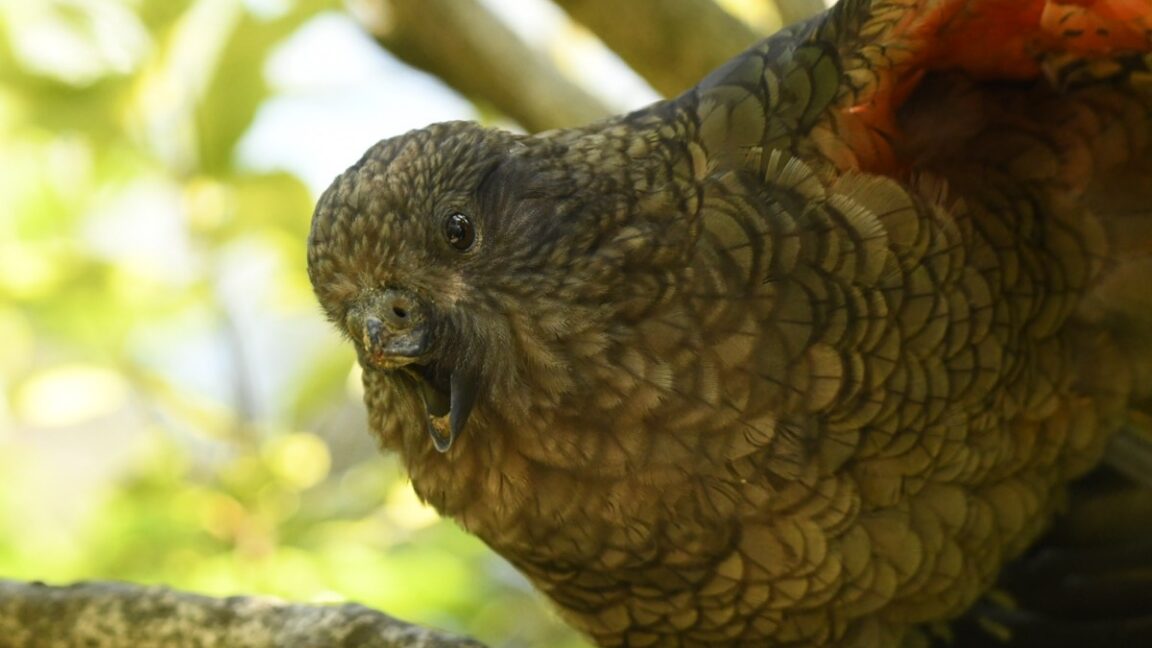
Keas (Nestor notabilis) are alpine parrots endemic to New Zealand, recognized as one of the most intelligent bird species on the planet. Their proportionally large brains exhibit remarkable capacity for problem-solving, social learning, and behavioral innovation. In 2021, researchers at the Kea Animal Minds Lab at the University of Auckland began a longitudinal study observing Bruce and other keas at Willowbank Wildlife Reserve, documenting behaviors that reveal advanced cognitive capabilities under disability conditions.
What makes Bruce's case particularly notable is the specific nature of his adaptation. He lost his upper beak as a young bird, a disability that would normally prevent essential functions like preening, feeding, and defense. Yet instead of succumbing to these limitations, Bruce developed a completely novel preening technique not previously observed in keas or other parrot species. Researchers meticulously documented how Bruce selected small pebbles (5-15 mm in diameter, according to published measurements), wedged them between his lower jaw and tongue, and systematically rubbed them along his feathers to maintain his plumage.

The research, published in Current Biology in 2022, provides crucial quantitative data. While other non-disabled keas in the same environment occasionally manipulated larger stones (20-40 mm) during exploratory play, none used these stones for preening. Bruce, in contrast, showed a statistically significant preference for small pebbles (p<0.01 in selection tests), and dedicated approximately 45 minutes daily to stone-preening sessions, comparable to the time non-disabled keas spent on conventional beak preening. This behavior represents not only evidence of advanced problem-solving abilities but possibly an example of deliberate, purpose-specific tool use in birds—a phenomenon rarely documented outside of corvids and some primates.