The Hook
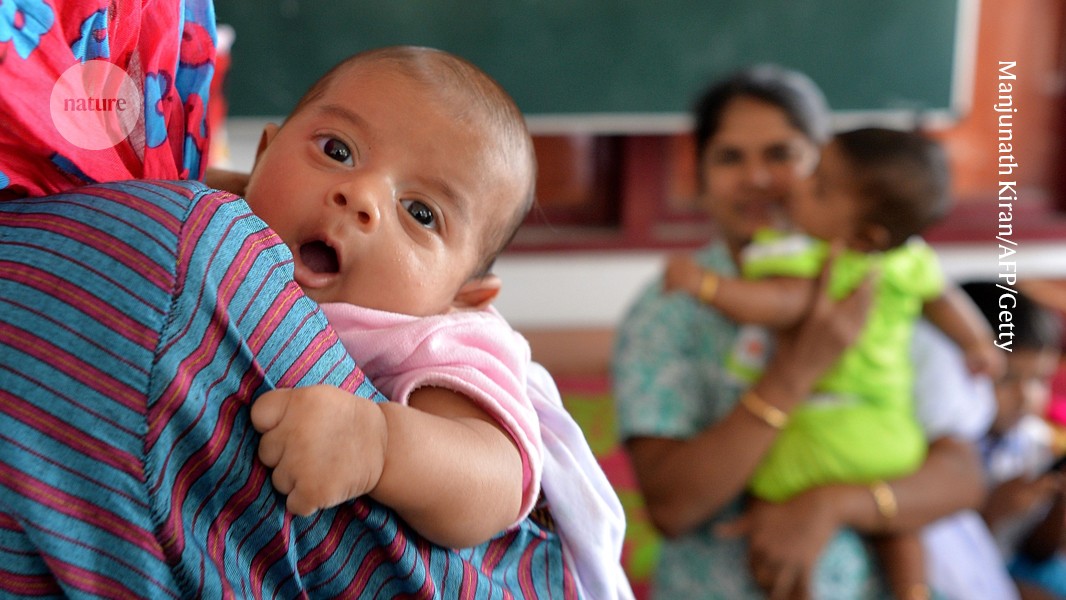
Home visits and cash payments may be the next frontier in infant health. A new study in an Indian state shows these interventions produced heartier babies, offering a promising avenue for optimizing early development. In a world where low birth weight remains a leading cause of infant mortality and chronic disease, any intervention that demonstrates significant impact deserves attention. This study not only confirms that economic and educational support works but also provides a replicable model for vulnerable communities worldwide.
The Science

Researchers implemented a program combining regular home visits with conditional cash transfers to families in rural India. The goal: improve maternal nutrition and prenatal care. Results, published in *Nature*, revealed a significant increase in birth weight among babies whose mothers participated. The two-year study included over 1,500 pregnant women, divided into intervention and control groups. Home visits were weekly and conducted by trained community health workers who provided nutritional education, emotional support, and reminders for medical appointments. Cash transfers, equivalent to about $10 per month, were conditional on attending prenatal checkups (at least 4 visits) and adopting healthy practices such as taking iron and folic acid supplements.

Birth weight is a critical marker of future health. Low-birth-weight babies face higher risks of chronic disease, developmental delays, and infant mortality. This study demonstrates that socioeconomic interventions can have a direct biological impact. Data showed an average increase of 200 grams in birth weight—a substantial improvement that can translate into better long-term outcomes. Moreover, the proportion of low-birth-weight babies (under 2,500 grams) dropped by 30% in the intervention group. Researchers also observed improvements in gestational duration and Apgar scores, suggesting an overall positive effect on neonatal health.
“Birth weight rose 200 grams: a simple intervention with profound effects on infant health.”
Key Findings
- Weight gain: Infants in the intervention group weighed an average of 200 grams more at birth, an increase of about 7% over the regional average birth weight.
- Home visits: Mothers received weekly visits from community health workers, who provided nutritional education, psychosocial support, and monitoring of warning signs. Adherence to visits exceeded 85%.
- Cash transfers: Payments were conditional on attending prenatal checkups (at least 4 visits) and adopting healthy practices like supplement intake and adequate rest. Total amount per pregnancy was approximately $90.
- Reduced low birth weight: The proportion of low-birth-weight babies dropped significantly in the intervention group, from 28% to 19%, representing a 32% relative risk reduction.

Why It Matters
This study transcends pediatrics. For biohackers and health enthusiasts, it underscores that the socioeconomic environment is a modifiable factor influencing biology from the womb. Financial stress and lack of access to proper nutrition are chronic stressors that affect fetal development. By alleviating those burdens, interventions not only improve birth weight but potentially program better metabolic and immune health for life. Previous research has linked low birth weight to increased risks of obesity, type 2 diabetes, hypertension, and cardiovascular disease in adulthood. Thus, an intervention that increases birth weight could have long-term preventive effects.
Likely mechanisms include improved maternal nutrition (higher caloric and micronutrient intake), reduced stress (lowering cortisol and improving placental blood flow), and greater adherence to prenatal care. Elevated cortisol during pregnancy has been associated with fetal growth restriction and preterm birth. Additionally, home visits may have improved early detection of complications like preeclampsia or anemia. This holistic approach—combining economic support with education—could be replicable in other contexts, including low-income populations in developed countries. Similar programs in the United States and United Kingdom have shown promising results, albeit with smaller effect sizes.
Your Protocol
While not everyone can implement government programs, there are practical lessons for prenatal health and early childhood development. Here is an evidence-based protocol derived from the study and scientific literature:
- 1Optimize maternal nutrition: Prioritize foods rich in folate (spinach, legumes), iron (lean red meat, lentils), omega-3s (fatty fish like salmon, chia seeds), and high-quality protein (eggs, chicken, tofu). Consider a high-bioavailability prenatal supplement containing at least 400 mcg folate, 27 mg iron, and 200 mg DHA. Evidence shows that DHA supplementation during pregnancy can increase birth weight by approximately 100 grams.
- 2Reduce stress: Incorporate daily stress management practices like meditation (10-15 minutes daily), deep breathing (4-7-8 technique), or prenatal yoga. Elevated cortisol is linked to low birth weight. A 2019 study found that women who practiced prenatal yoga had babies with an average birth weight 150 grams higher. Social support is also crucial: talk to your partner, family, or join pregnancy support groups.
- 3Regular monitoring: Attend all prenatal checkups (at least 8 visits per WHO guidelines) and use wearables to track variables like heart rate, sleep, and activity levels. Heart rate variability (HRV) is an indicator of autonomic stress; low HRV is associated with higher stress and poorer perinatal outcomes. Apps like Oura or Apple Health can help monitor these parameters.
- 4Social and financial support: If you're in a position to help, support organizations that provide cash transfers and home visits to vulnerable mothers, such as GiveDirectly or BRAC. The evidence shows it works. On an individual level, consider creating an emergency fund to cover unexpected expenses during pregnancy, thereby reducing financial stress. Even small amounts, like $10 per month, can make a difference.
What To Watch Next
Researchers plan long-term follow-up to assess cognitive and metabolic development in these children up to age 5. Studies are also being designed to test similar interventions in urban settings and other countries, such as Bangladesh and Kenya. The combination of direct payments and visits could become a public health standard. Additionally, integration with digital health technologies—like reminder apps and telemedicine—could amplify results. For example, an app that sends reminders to take supplements and attend checkups, combined with video calls with health workers, could reduce costs and increase reach. Artificial intelligence is also being explored to identify women at highest risk for low birth weight and prioritize interventions.
The Bottom Line
Cash transfers and home visits increased birth weight by 200 grams, demonstrating that addressing social determinants of health has measurable biological effects. For the individual, the lesson is clear: health begins before birth, and the environment—including financial and emotional support—is a powerful biohack. The future of infant health may depend as much on social policy as on medicine. As a biohacker, you can apply these principles to your own life or support initiatives that implement them at scale. The evidence is solid: investing in maternal well-being is one of the most effective strategies for improving the health of future generations.