Your morning probiotic routine may have more in common with a Copper Age hunter than you think. A new analysis of Ötzi the Iceman reveals that his digestive tract hosted active bacteria, challenging our understanding of preservation and microbial life.
The Science
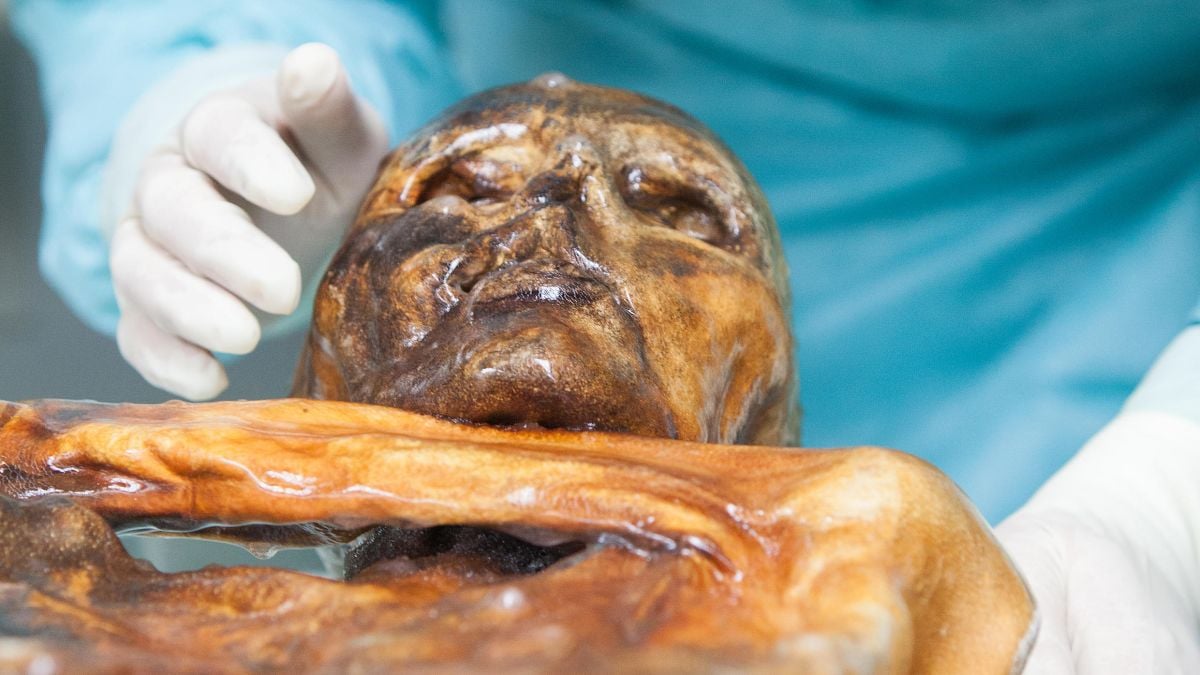
Ötzi, discovered in 1991 in the Italian Alps, has been studied extensively. But a team from the Institute for Mummies and the Iceman (EURAC) in Bolzano, Italy, applied cutting-edge sequencing techniques to analyze his gut contents. The results, published in *Microbial Genomics*, show that more than 10% of the recovered microbial sequences belonged to bacterial species that were likely alive at the time of his death.

This is revolutionary because bacteria typically die quickly after the host's death. The presence of live bacteria suggests that Ötzi died suddenly, possibly from an arrow wound, and his body froze rapidly, preserving not only his tissues but also his microbiome. The researchers identified bacteria associated with food fermentation, such as *Lactobacillus*, indicating his diet included dairy or fermented vegetables.
The finding is not only a milestone in ancient DNA preservation but also opens a unique window into the gut health of our ancestors. Scientists managed to sequence the complete genome of several bacterial strains, revealing similarities and differences with modern bacteria. For instance, the *Prevotella* strains found in Ötzi are more diverse than those typical in industrialized populations, suggesting a loss of microbial diversity with modernization.
“Ötzi's microbiome offers a unique window into the gut health of our ancestors and may reveal clues about how ancient diets influenced longevity.”
Key Findings

- Active microbiome: Live bacteria were found in Ötzi's colon, including species of *Clostridium* and *Bacteroides*, which are common in modern humans but with key genetic differences. The presence of *Methanobrevibacter smithii*, a methanogenic archaeon, suggests efficient gut fermentation.
- Dietary clues: The presence of *Lactobacillus* and *Bifidobacterium* suggests consumption of fermented foods, a practice modern studies associate with better metabolic health and lower inflammation. Genes for plant polysaccharide degradation were also detected, indicating a fiber-rich diet.
- Health status: The analysis also detected pathogens like *Helicobacter pylori*, linked to ulcers, indicating Ötzi suffered from gastrointestinal issues. Additionally, markers of periodontal disease were found, suggesting compromised oral health.
- Exceptional preservation: 10% viable bacteria after 5,300 years is a record for microbial survival, raising questions about decomposition and cold preservation. This finding has implications for astrobiology and the search for life in extreme environments.
- Differences from modern microbiomes: Compared to samples from current non-industrialized populations, Ötzi's microbiome shows a higher abundance of bacteria associated with meat- and fiber-rich diets, and a lower presence of bacteria linked to processed foods.

Why It Matters
This finding is not just archaeological curiosity. For biohackers and longevity enthusiasts, Ötzi's microbiome offers a baseline of what gut health looked like before industrialization. The bacteria he harbored could be ancestral strains that have disappeared from modern humans due to Western diet and antibiotic use.
The connection to longevity is direct: a diverse, balanced microbiome is associated with lower inflammation, better immunity, and reduced risk of chronic diseases. If Ötzi, with his paleo diet, had a different microbial composition, perhaps we can learn which bacteria we've lost and how to reintroduce them. Recent studies have shown that loss of microbial diversity is linked to diseases such as obesity, type 2 diabetes, and inflammatory bowel disease.
Moreover, the ability of bacteria to survive thousands of years in frozen conditions has implications for cryopreservation and conservation biology. It could inform techniques for preserving biological samples or even organs for transplantation. It also raises questions about whether ancient pathogens could be revived, though researchers assure that Ötzi's bacteria pose no risk to human health.
Your Protocol

While you can't time-travel to share a meal with Ötzi, you can apply the lessons from his microbiome to your life today. Here are practical steps:
- 1Incorporate fermented foods: Ötzi's diet likely included fermented vegetables. Add sauerkraut, kimchi, kombucha, or kefir to your daily routine to boost bacterial diversity. Aim for at least one serving per day.
- 2Prioritize prebiotic fiber: Beneficial bacteria feed on fiber. Consume garlic, onions, leeks, asparagus, and artichokes to feed your microbiome. Target 25-30 grams of fiber per day.
- 3Consider a microbiome test: Services like Viome or Thryve analyze your microbiota and offer personalized recommendations. You might discover which bacteria you're missing and how to adjust your diet.
- 4Avoid unnecessary antibiotics: While vital for infections, overuse kills beneficial bacteria. Discuss alternatives with your doctor and consider probiotics after a course.
- 5Reduce processed foods: Ötzi's diet had no refined sugars or additives. Minimize ultra-processed foods to favor a more diverse microbiome.
What To Watch Next
The EURAC team plans to sequence the full genome of Ötzi's bacteria to identify specific strains and compare them with modern databases. This could reveal if any of those strains have unique probiotic properties, such as antibiotic resistance or anti-inflammatory compound production.
They are also developing methods to culture these bacteria in the lab. If they succeed in reviving them, we could be looking at the first 'ancestral' probiotic available for human consumption. Imagine taking a capsule with 5,300-year-old bacteria to restore your microbiome to a pre-industrial state. However, researchers caution that more studies are needed to ensure safety and efficacy.
Additionally, metagenomic analyses are underway to identify viruses and fungi present in the sample, which could provide a more complete picture of Ötzi's gut ecosystem. Plans also include comparing his microbiome with other mummies from different eras and regions to understand how human microbiota has evolved.
The Bottom Line
Ötzi doesn't just tell us what life was like in the Copper Age; his microbiome offers a blueprint for optimizing our gut health. The evidence of live bacteria after millennia underscores the resilience of microbial life and its central role in our biology. Incorporate fermented foods, nurture your microbiota, and stay tuned for advances in ancestral probiotics. The next frontier of longevity might be in the past.