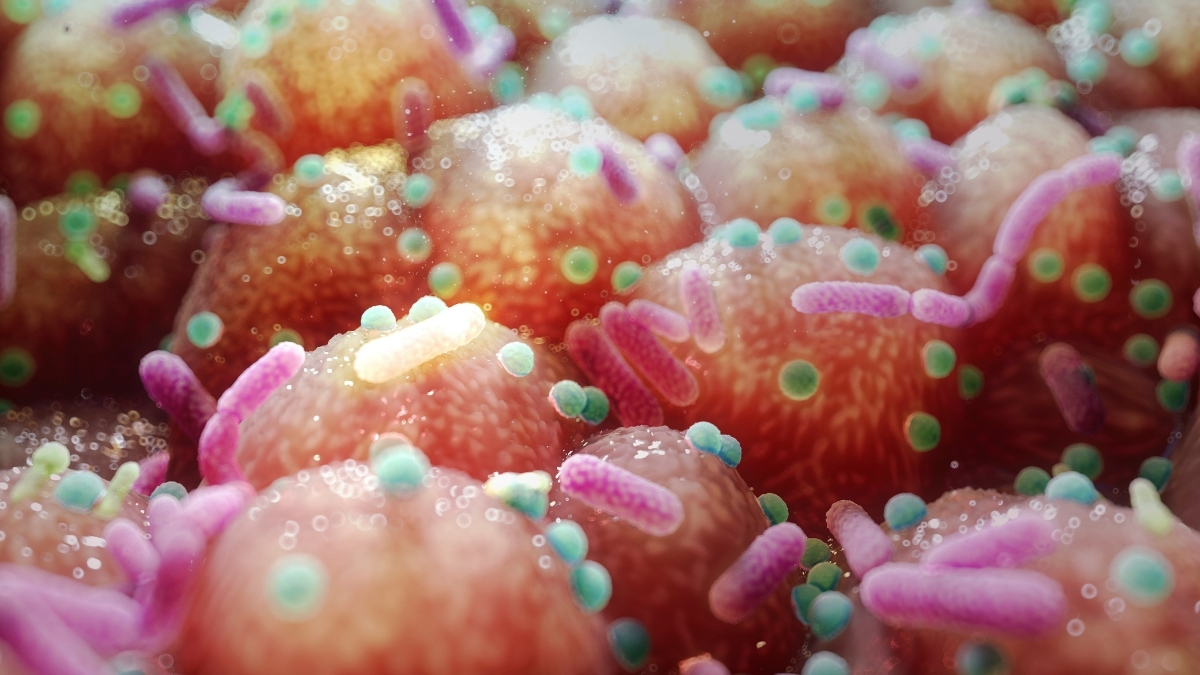
The United Nations World Meteorological Organization (WMO) has issued an urgent warning: El Niño is likely to develop within months, bringing extreme heatwaves, droughts, and floods. For health optimizers, this isn't just a climate headline—it's a physiological stress test. Your sleep, workout recovery, and cognitive performance are all on the line.
The Science
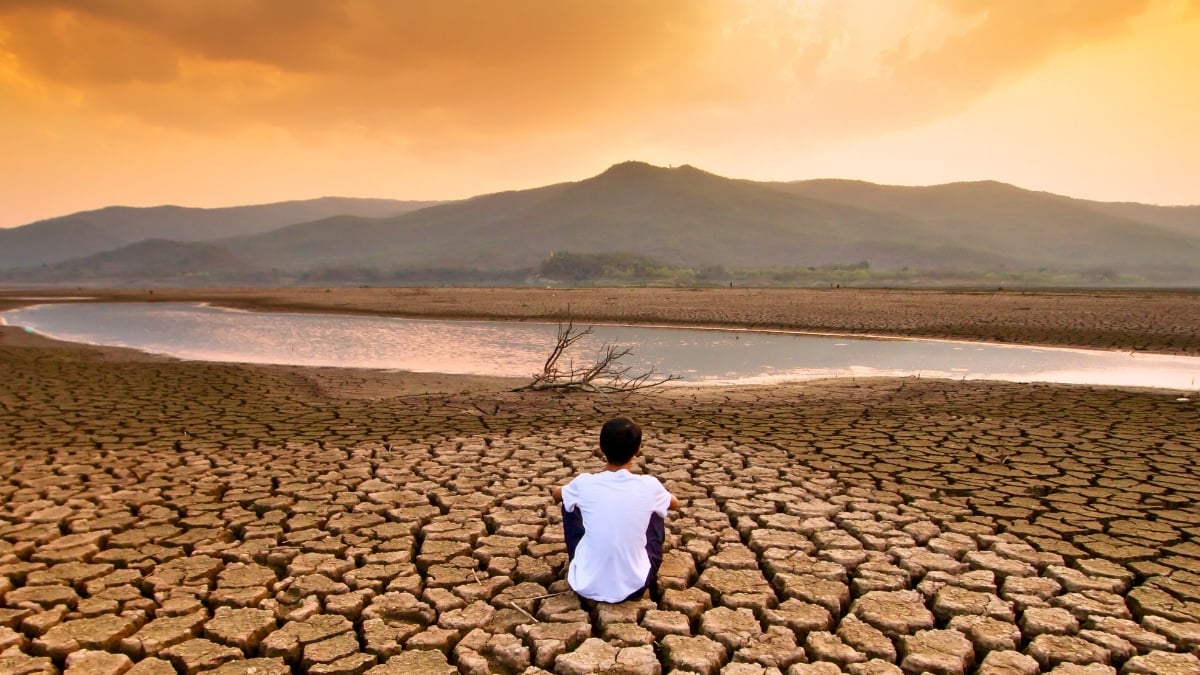
El Niño isn't a single storm; it's a large-scale climate pattern driven by warmer-than-average sea surface temperatures in the tropical Pacific. These warm waters shift atmospheric circulation, triggering a cascade of weather extremes across the globe. According to the WMO, there's a 65% probability that El Niño will fully develop between July and September 2026, and it could persist into 2027. That means a prolonged period of elevated temperatures and disrupted weather patterns.

Extreme heat isn't just uncomfortable—it's a physiological stressor. When ambient temperature exceeds 30°C (86°F), your body diverts blood flow to the skin for cooling, reducing oxygen delivery to muscles and the brain. Studies show that during El Niño years, hospitalizations for heatstroke and cardiovascular events can rise by 15% in affected regions. Additionally, stagnant air masses often trap pollutants, worsening air quality and impairing lung function.
“El Niño 2026-2027 is a climate-driven health challenge that demands proactive preparation to protect your sleep, performance, and long-term well-being.”
Key Findings

- 65% probability: The WMO estimates a 65% chance that El Niño will fully develop between July and September 2026.
- Extended duration: The event could last into 2027, meaning prolonged heat and environmental stress.
- Health impact: Heatwaves during El Niño can increase hospitalizations for heat-related illnesses and cardiovascular issues.
- Air quality deterioration: El Niño exacerbates wildfires and pollution, reducing lung function and cognitive performance.
- Athletic performance: High heat impairs aerobic capacity and increases perceived exertion, affecting both elite athletes and weekend warriors.

Why It Matters
For biohackers and health enthusiasts, El Niño's effects are measurable. Heat disrupts deep sleep (NREM stage), which is essential for muscle repair and memory consolidation. When nighttime temperatures stay above 25°C (77°F), your body struggles to cool down, reducing melatonin secretion and increasing nighttime awakenings. The result: daytime fatigue, reduced focus, and slower recovery.
Poor air quality during El Niño can cause airway inflammation and reduce lung capacity by up to 10% in sensitive individuals. This directly impacts oxygen delivery to muscles and the brain, hindering both endurance training and cognitive tasks. If you track your VO2 max, expect a dip unless you take countermeasures.
Your Protocol
You can't control the weather, but you can optimize your body's response. Here's an evidence-based action plan:
- 1Optimize your sleep environment: Keep your bedroom below 21°C (70°F). Use breathable cotton sheets, a fan, or air conditioning. A warm (not cold) shower before bed can help vasodilation and heat loss.
- 2Time your workouts strategically: Avoid exercise between 11 a.m. and 4 p.m. when heat peaks. Train at dawn or dusk. Wear light-colored, moisture-wicking clothing and stay hydrated with electrolytes.
- 3Monitor air quality: Use a portable PM2.5 monitor indoors and outdoors. If levels exceed 50 µg/m³, consider indoor training with a HEPA air purifier.
- 4Supplement with electrolytes and antioxidants: Heat increases loss of sodium, potassium, and magnesium. An electrolyte supplement before and after exercise can prevent cramps and fatigue. Antioxidants like vitamin C and glutathione may help counteract oxidative stress from heat and pollution.
- 5Gradual heat acclimation: If you live in a region expecting heatwaves, gradually expose yourself to heat over 10–14 days. Start with 15–20 minutes of light exercise in the heat, increasing duration and intensity daily. This improves sweating efficiency and reduces heat stroke risk.
What To Watch Next
The WMO will release monthly updates as El Niño evolves. Regional impacts will vary: South America may see droughts in the north and heavy rains in the south, affecting food supply and water quality. Meanwhile, researchers are investigating whether chronic heat stress accelerates telomere shortening, a marker of cellular aging. If confirmed, heat management could become a longevity priority.
The Bottom Line
El Niño 2026-2027 is a reminder that our environment directly shapes our biology. By adjusting your sleep environment, workout timing, and supplementation, you can mitigate the impact of heat and pollution on your health and performance. Act now, before the mercury rises. Your body will thank you.
Expanded Context: Historical and Emerging Research
To appreciate the significance, recall the 2015-2016 El Niño, one of the strongest on record. Global temperatures spiked, causing thousands of heat-related deaths and affecting food security for millions. The WMO warns the current event could be equally severe, amplified by ongoing global warming (1.2°C above pre-industrial levels). Emerging research also links El Niño to increased infectious disease risk; for instance, heavier rains in some regions boost mosquito populations, raising dengue and malaria transmission. During 2015-2016, dengue cases surged in Latin America. Thus, preparation should include vector control measures like repellents and bed nets.
Mental Health Implications
Heat stress doesn't just affect the body; it impacts mental health. Studies show heatwaves correlate with increased emergency visits for mood disorders, anxiety, and aggression. Poor sleep exacerbates these effects. Maintaining a consistent sleep routine and stress-reduction practices like meditation or yoga are crucial, especially on hot days.
Additional Protocol: Anti-Inflammatory Nutrition
Complement the above steps with an anti-inflammatory diet rich in colorful fruits and vegetables, healthy fats (e.g., omega-3s from fish), and fiber. This helps mitigate systemic inflammation from heat and pollution. Foods like ginger, turmeric, and green tea contain compounds that support antioxidant defenses. Avoid alcohol and heavy meals before bed, as they can disrupt nighttime thermoregulation.
Personalized Monitoring
Invest in a bedroom thermometer and portable air quality monitor. Use a sleep tracker to assess how nighttime temperatures affect your rest. Advanced wearables measure skin temperature and heart rate, providing data to fine-tune your environment. Keep a symptom diary (fatigue, headaches, workout performance) to identify patterns and adjust protocols accordingly.
Final Reflection
El Niño 2026-2027 is a call to integrate climate awareness into health practices. It's not about fear, but adaptive intelligence. By implementing these protocols, you protect not only your current performance but also build resilience for future extreme events. Nature challenges us; our response defines our vitality.