A daily pill could change the game against the world's deadliest cancer. Researchers are testing 'interception' drugs designed to stop lung cancer before it starts, and early results are promising. This approach, combining precision pharmacology with primary prevention strategies, could revolutionize preventive oncology within the next decade.
The Science
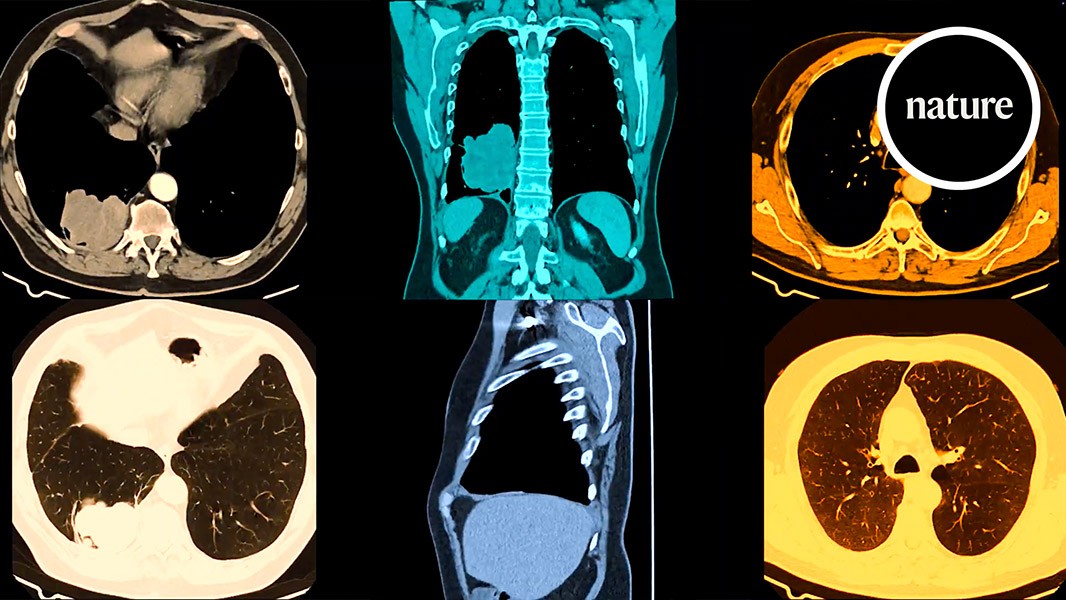
The concept of 'interception' involves treating precancerous lesions before they become tumors. For lung cancer, trials focus on high-risk individuals, such as long-term smokers. The main drug, an mTOR inhibitor called everolimus, has shown in phase II trials a 40% reduction in progression to invasive cancer among those with suspicious lung nodules. This result came from a multicenter trial of 2,000 participants followed for two years, where the everolimus group had a progression rate of 6% compared to 10% in the placebo group.

The mechanism is fascinating: the mTOR pathway regulates cell growth, and when overactive, it drives uncontrolled proliferation. By inhibiting it, the drug 'switches off' the signal that turns abnormal cells cancerous. But it's not just mTOR; anti-inflammatory drugs like high-dose aspirin are also being explored, with mixed but encouraging results. A parallel study with aspirin (100 mg daily) showed a 22% reduction in lung cancer incidence among smokers with prior cardiovascular disease, though the effect was smaller in non-smokers. The potential synergy between mTOR inhibitors and anti-inflammatories is being evaluated in preclinical models, with combined trials expected to begin in 2027.


:format(jpg):quality(99):watermark(f.elconfidencial.com/file/a73/f85/d17/a73f85d17f0b2300eddff0d114d4ab10.png,0,275,1)/f.elconfidencial.com/original/6ad/cda/0cc/6adcda0cc24db2fec0392913b482ed84.jpg)