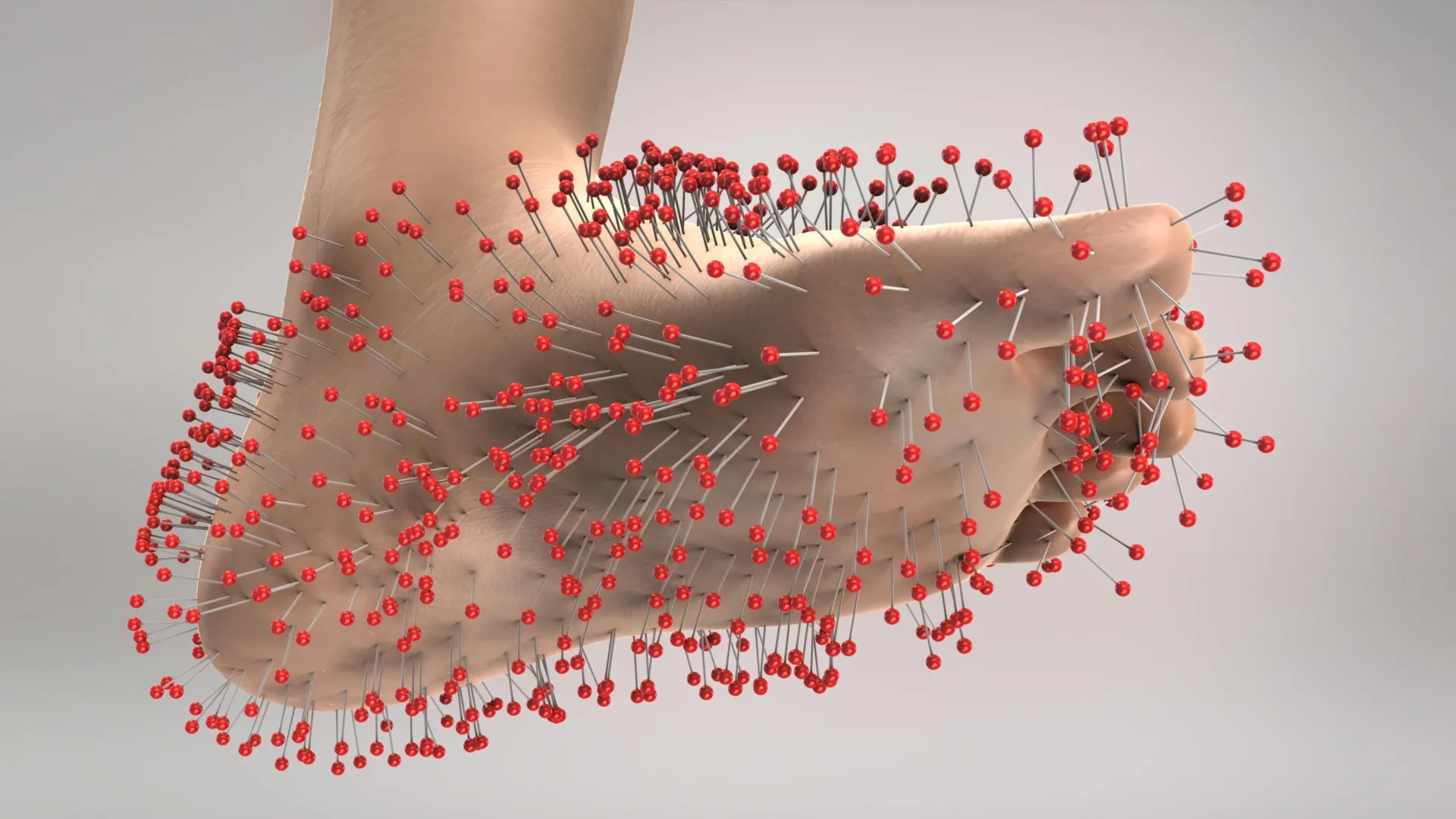
Your nose is an active immune fortress, not merely an air passage. Recent research reveals that nasal tissue harbors resident memory T cells that persist long after infection, acting as first-line guardians in the respiratory system. This finding, published in Nature, reshapes how we optimize respiratory health and longevity today, offering a pathway to reduce the burden of common illnesses like colds and flu. In a world where respiratory infections affect millions annually, understanding this local mechanism can transform prevention and wellness approaches.
The significance of this discovery lies in its potential for practical applications in daily life. Unlike systemic immunity, which relies on broad body-wide responses, nasal immune memory provides rapid, specific defense at the pathogen entry point. This suggests that strategies focused on nasal health could be more effective than generic interventions, especially for vulnerable populations such as older adults or individuals with compromised immune systems. By integrating this knowledge, we can develop protocols that not only prevent infections but also promote long-term resilience.
The Science
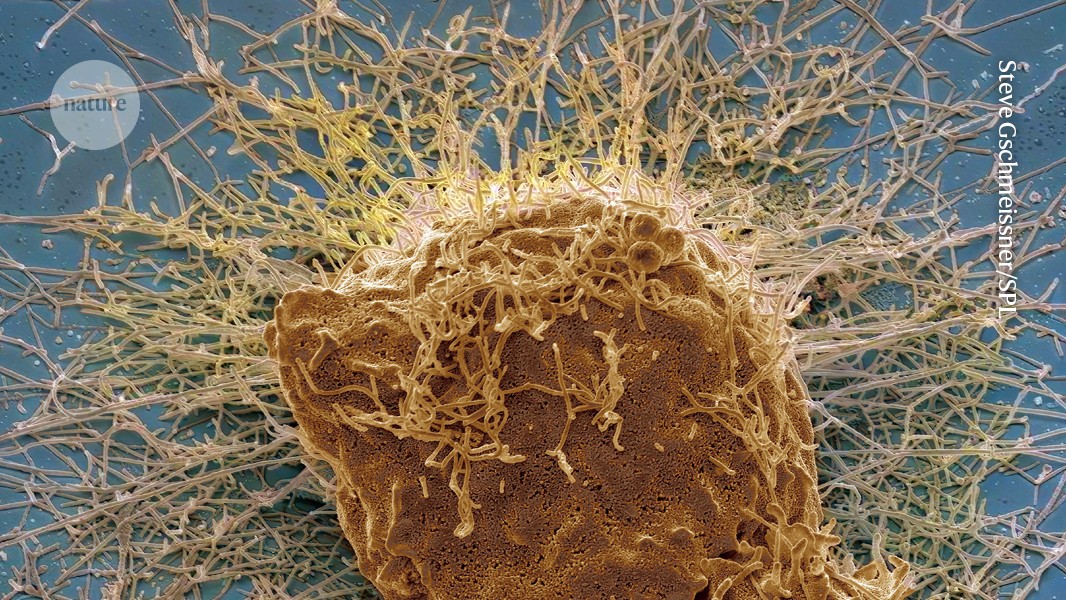
Research published in Nature in 2025 demonstrates that nasal tissue contains resident memory T cells (TRMs) that persist for months or even years post-infection. These cells reside in the nasal mucosa, where they retain specific antigens from previous pathogens, enabling them to recognize and combat similar threats in the future. Their longevity, which may extend beyond that observed in other body parts, suggests that past exposure to viruses like influenza or common bacteria confers lasting protection, a mechanism that complements traditional systemic immunity based on circulating antibodies.