Cutting one amino acid from the diet extended mouse lifespan by up to 33%. This discovery could reshape how we think about protein and aging. The study, published in *Cell Metabolism*, challenges decades of dogma around calorie restriction and opens a new avenue for precise dietary interventions.
The Science
Researchers at the University of Wisconsin-Madison have found that drastically reducing dietary isoleucine—an essential amino acid abundant in eggs, dairy, and meat—extends lifespan and improves metabolic health in mice. Published in *Cell Metabolism*, the study showed that mice on a low-isoleucine diet lived up to 33% longer than those on a standard diet, and up to 15% longer than those on traditional calorie restriction. This result is striking because calorie restriction has long been considered the gold standard for lifespan extension in animal models.

Isoleucine is one of three branched-chain amino acids (BCAAs) essential for protein synthesis. But mounting evidence links high BCAA levels in blood to insulin resistance, obesity, and accelerated aging. This study pinpoints isoleucine as the primary metabolic culprit. The researchers designed a diet with a 67% reduction in isoleucine compared to a control diet, while keeping other nutrients constant. Mice on the low-isoleucine diet not only lived longer but also showed significant improvements in insulin sensitivity, lower cancer incidence, and reduced frailty in old age. Males lived 33% longer and females 7% longer—a difference the researchers attribute to hormonal and metabolic variations between sexes. This disparity underscores the need for sex-specific studies in future research.
“Cutting isoleucine may outperform standard calorie restriction for extending lifespan.”
The mechanism behind these benefits appears to involve the mTOR pathway, a nutrient sensor that regulates cell growth and longevity. Isoleucine is a potent activator of mTOR; reducing its intake attenuates this signal, promoting autophagy and cellular repair. Additionally, isoleucine restriction lowers levels of insulin-like growth factor 1 (IGF-1), another key regulator of aging. These findings align with previous studies showing that restriction of methionine, another amino acid, also extends lifespan in rodents, but the effect of isoleucine appears more potent.
Key Findings

- Lifespan extension: Male mice lived 33% longer, females 7% longer, compared to controls. Median lifespan increased from 28 months to 37 months in males.
- Outperforms calorie restriction: Low-isoleucine diet beat standard calorie restriction (30% calorie reduction) by 15% in lifespan gain, suggesting that calorie quality matters more than quantity.
- Metabolic improvement: Mice showed better insulin sensitivity, improved glucose profiles, and lower liver triglyceride levels.
- Cancer reduction: Tumor incidence dropped significantly in the experimental group, especially age-related tumors.
- Less frailty: Older mice maintained better physical function, greater grip strength, and less muscle loss, indicating healthier aging.

Why It Matters
This finding challenges the idea that calorie restriction is the only dietary path to longevity. By targeting a single amino acid, researchers open the door to more precise and sustainable interventions than fasting or severe calorie cutting. For biohackers and longevity enthusiasts, the implication is clear: not all proteins are equal. While high-protein diets are touted for muscle gain, this study suggests excess certain amino acids may accelerate aging. The mechanism likely involves the mTOR pathway, a nutrient sensor that regulates growth and longevity. However, translation to humans isn't straightforward. Isoleucine is essential; eliminating it entirely would be dangerous. Experts suggest reducing intake, not removing it, may be optimal. The sex difference seen in mice also underscores the need for human studies in both men and women.
The broader context of longevity research shows that restriction of specific amino acids, such as methionine and now isoleucine, may offer benefits similar to calorie restriction without the adverse effects of malnutrition. Studies in yeast, worms, and flies have also shown that isoleucine reduction extends lifespan, suggesting an evolutionarily conserved mechanism. However, human trials are scarce. A pilot human study with BCAA restriction showed improvements in insulin sensitivity, but more data are needed.
Your Protocol

While no human guidelines exist yet, you can start applying these principles today:
- 1Reduce concentrated isoleucine sources: Limit eggs, dairy, red meat, and BCAA supplements. Prioritize plant proteins like legumes and nuts, which have lower isoleucine density. For example, 100g of egg contains about 1.3g of isoleucine, while 100g of cooked lentils contains only 0.4g.
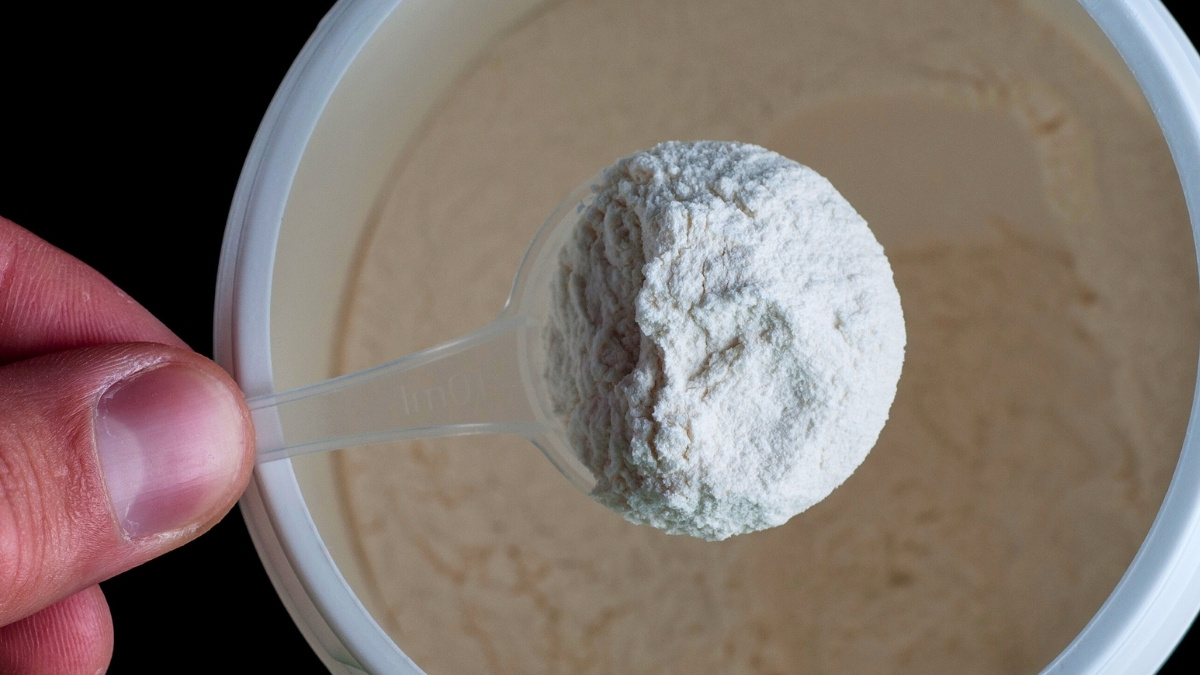
- 2Balance your BCAAs: If you take BCAA supplements for athletic performance, consider cycling them or lowering the dose. Excess may negate metabolic benefits. A moderate dose (5-10g per day) may be safe, but avoid high doses (>20g).
- 3Monitor metabolic markers: Get periodic blood tests for glucose, insulin, and lipid profile. Improvements in these markers may indicate you're on the right track. Also consider measuring blood BCAA levels if available.
- 4Adopt a time-restricted eating pattern: Combining a low-isoleucine diet with intermittent fasting (e.g., 16:8) could potentiate effects on mTOR and autophagy.
What To Watch Next
The Wisconsin team is already planning human clinical trials to test safety and efficacy of a low-isoleucine diet. First results are expected by 2028. Meanwhile, observational studies in populations eating low-animal-protein diets (like some Asian communities) may offer additional clues. Also critical will be investigating whether benefits hold with moderate (not extreme) isoleucine reduction, and whether sex and age differences exist. The possibility of developing drugs that mimic isoleucine restriction without diet changes is another promising avenue. For instance, mTOR inhibitors like rapamycin are already used in research but have side effects. A dietary approach may be safer and more accessible.
Additionally, researchers are exploring the role of the gut microbiome in modulating isoleucine levels. Certain gut bacteria can produce or consume isoleucine, suggesting that probiotics or prebiotics could influence the benefits of this intervention. Biomarkers to measure isoleucine restriction in humans, such as specific blood metabolites, are also being developed.
The Bottom Line
Isoleucine restriction emerges as one of the most promising dietary interventions for longevity since calorie restriction. Though the data come from rodents, the magnitude of effect—up to 33% lifespan extension—warrants serious attention. The next step is human, and the optimized health community should keep this target on the radar. Longevity isn't just about how much you eat—it's about what you eat. While awaiting clinical trials, adopting a prudent approach of moderate isoleucine reduction could be a low-risk, high-potential strategy.
*This article is based on a study published in Cell Metabolism by researchers at the University of Wisconsin-Madison. Animal results do not always replicate in humans.*