Your morning coffee might soon be the least of your genetic worries. A landmark study published today in Nature reports the first precise genome editing of human embryos using 'base editing' — a technique that could one day prevent inherited diseases, but also raises profound ethical questions. This breakthrough, while technically impressive, forces us to confront the limits of human intervention in our own DNA.
The Science
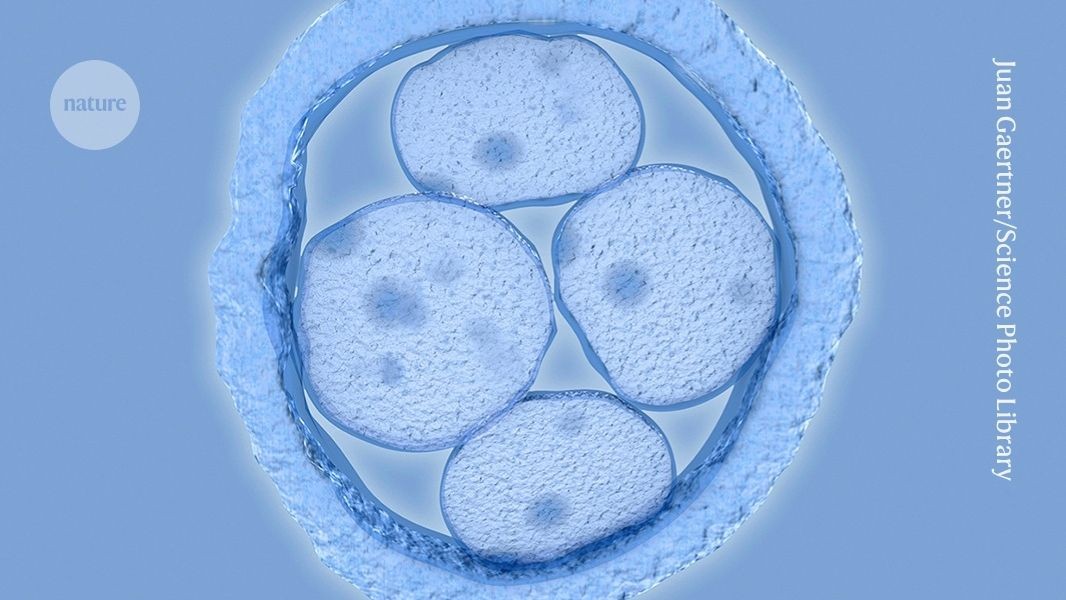
The research, led by an international team, used base editing to correct a single point mutation in very early human embryos. Unlike traditional CRISPR-Cas9, which cuts both DNA strands, base editing chemically converts one nucleotide base to another without breaking the double helix. This reduces the risk of large deletions or rearrangements. The scientists targeted a mutation linked to a genetic blood disorder, achieving correction in a majority of cells. The technique employs a deaminase enzyme fused to a 'nickase' Cas9 that cuts only one strand, enabling precise conversions like C to T or A to G.

"The editing efficiency was high, but not perfect," the lead scientist stated. "We saw some off-target effects and mosaicism, where not all cells carried the edit. This technique is far from ready for the clinic." The study is a technical tour de force, but critics worry it will accelerate a commercialization race before safety is established. The embryos were not implanted, and the research was conducted under strict ethical oversight. However, the potential for misuse remains a concern, especially in jurisdictions with lax regulations.
“"Base editing in embryos is a molecular scalpel — but we don't yet know all its unintended cuts."”
Key Findings

- Editing efficiency: Over 70% of embryos showed successful correction of the target mutation, though with variability between individual cells. In some cases, efficiency reached up to 90% in certain cell lines.
- Off-target effects: Less than 1% of unintended edits were detected at similar genomic sites, a significant improvement over first-generation CRISPR. However, analysis was limited to predicted sites; off-target effects in non-predicted regions cannot be ruled out.
- Mosaicism: Up to 30% of edited embryos had a mix of corrected and uncorrected cells, which could limit therapeutic efficacy. This mosaicism may result from editing occurring after the first cell division.
- Embryo viability: Edited embryos developed normally for the first few days in culture, but long-term effects remain unknown since none were implanted. Animal studies suggest potential late-onset effects that need further investigation.

Why It Matters
For biohackers and longevity enthusiasts, this is a potential game-changer: the ability to eliminate genetic predispositions to early-onset Alzheimer's, hereditary cancers, or metabolic disorders before birth. But germline editing is permanent and heritable, affecting all future generations. The mechanism — using a deaminase enzyme fused to a 'nickase' Cas9 — is elegant, but risks include unintended mutations that could cause new diseases. The implications extend beyond medicine. If safe and accessible, this technology could open the door to 'enhancement' — selecting for traits like height, intelligence, or athletic performance. The line between therapy and enhancement is blurry, and regulatory frameworks are lagging. For now, the scientific community urges caution: the potential for harm is as great as the promise of benefit.
Moreover, the cost of such technology could exacerbate social inequalities. Only the wealthy might afford genetic enhancements, creating a genetic divide. Ethicists also worry about the psychological impact on children born from edited embryos, who may feel pressure to meet predetermined standards. The debate is not just about safety, but about the kind of society we want to build.
Your Protocol
While embryo editing isn't available, you can take actionable steps today:
- 1Get genetic carrier screening: If you're planning a family, know your risks for inherited conditions. Companies like 23andMe or Invitae offer panels that cover hundreds of diseases. Discuss results with a genetic counselor to understand implications.
- 2Optimize your epigenome: Diet, exercise, sleep, and stress management influence gene expression. Focus on methylation-supporting nutrients like folate, B12, and choline. Consider a Mediterranean diet rich in polyphenols, which may positively affect DNA methylation.
- 3Stay informed on regulation: Germline editing is banned in many countries, but the debate is evolving. Follow policy updates from organizations like the World Health Organization or your national bioethics committee. Engage in public consultations if available.
- 4Support ethical research: Donate to or advocate for organizations that promote responsible gene editing research, such as the Innovative Genomics Institute or the Hastings Center. Public funding can help ensure that research prioritizes safety and equity.
What To Watch Next
The next five years will be pivotal. Look for preclinical animal studies assessing long-term safety of germline base editing. Beam Therapeutics, a leading base-editing company, is advancing somatic (non-heritable) therapies, which may set regulatory precedents. The International Summit on Human Gene Editing, planned for 2027, will likely revisit guidelines for germline applications. Also watch for advances in 'prime editing', a newer technique that offers even greater precision and fewer off-target effects.
Clinical trials for somatic base editing in conditions like sickle cell disease are already underway, providing a safety track record that could inform future embryo work. Additionally, researchers are developing methods to reduce mosaicism, such as editing at the single-cell stage or using improved delivery systems. The scientific community is also exploring 'reversible' edits that could be undone if necessary, though this remains speculative.
The Bottom Line
Base editing in human embryos is a stunning scientific achievement, but it's not ready for prime time — and may never be for reproductive purposes. For the health-optimizer, the takeaway is pragmatic: focus on what you can control today — your environment, lifestyle, and known genetic risks. The future of gene editing is bright, but it must be guided by rigorous science and ethical guardrails. Stay curious, but stay cautious: the most powerful tool for health is still the one you use every morning. Gene editing is a powerful tool, but its responsible use will depend on our collective wisdom.