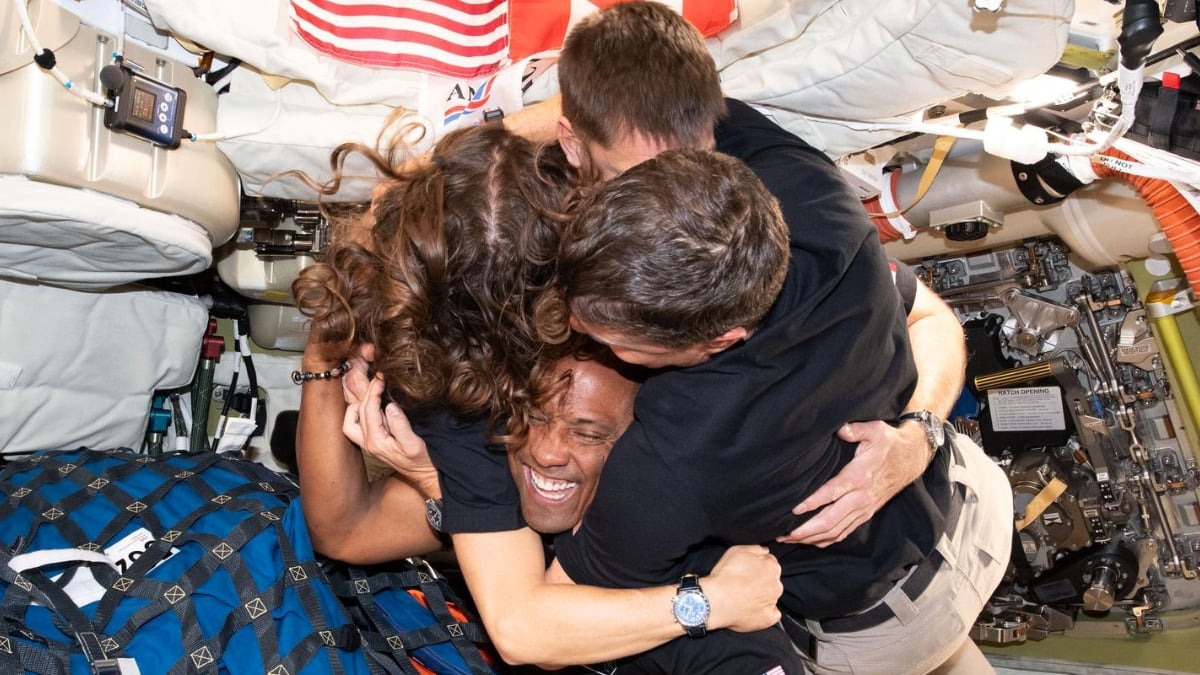
Extreme Resilience: Astronaut Protocols for Earthbound Health
Artemis II astronauts describe reentry stress as 'profound.' Discover how their recovery protocols can optimize your health with 3 actionable steps for managing
Controlled stress can transform human physiology toward greater resilience when combined with intentional recovery.
Extreme stress can be your greatest growth catalyst when managed with precision. Astronaut recovery protocols, developed through decades of ...
Exposure to extreme environments like space represents peak physiological stress that the human body can experience. Astronauts face massive...
Extreme stress can be your greatest growth catalyst when managed with precision. Astronaut recovery protocols, developed through decades of space medicine research, offer a scientific blueprint for optimizing human health under maximum physiological challenge. These systematic approaches transform stress from enemy to ally, demonstrating that controlled exposure to physiological challenges can strengthen resilience rather than weaken it. The key isn't avoiding stress, but mastering recovery from it through principles directly applicable to earthbound high-performance situations.
The Science
Exposure to extreme environments like space represents peak physiological stress that the human body can experience. Astronauts face massive gravitational forces during launch and reentry (up to 8G in some cases), profound circadian disruptions due to artificial light cycles, severe psychological isolation in confined environments, and radiation exposure exceeding Earth levels by 100-200 times. These combined factors create a perfect storm of oxidative stress, systemic inflammation, and neuroendocrine dysregulation that challenges all physiological systems simultaneously.
The human response to these challenges reveals fundamental resilience mechanisms evolved over millennia. When the body faces extreme but controlled stress, it activates adaptation pathways that can strengthen multiple systems, from mitochondrial function to immune regulation. Research shows moderate stress exposure increases production of heat shock proteins and antioxidant enzymes, while excessive or chronic stress produces the opposite effect. Astronaut training programs carefully balance these factors through protocols evolved from Mercury missions in the 1960s to Artemis today, incorporating lessons from over 60 years of crewed spaceflight.
astronaut in centrifuge training experiencing extreme G-forces
What distinguishes space medicine is its focus on precise dosing: enough stress to trigger positive adaptations (known as hormesis), but not so much as to cause permanent damage. Astronauts experience what researchers call 'controlled acute stress' - intense but brief exposures followed by structured recovery periods. This pattern activates mechanisms like autophagy (cellular cleanup), mitochondrial biogenesis (production of new mitochondria), and upregulation of anti-inflammatory pathways. NASA studies show that after 6-month International Space Station missions, astronauts following specific recovery protocols regain bone density and muscle mass faster than those who don't, demonstrating the effectiveness of these approaches.
“Controlled stress can transform human physiology toward greater resilience when combined with intentional recovery.”
Key Findings
Key Findings
Extreme Physiological Stress: Artemis II astronauts describe atmospheric reentry as 'profound,' indicating physical and psychological stress levels exceeding those experienced in ground training. Monitoring data shows salivary cortisol spikes 2-3 times above baseline levels during these events, along with significant increases in inflammatory markers like IL-6 and TNF-α.
Structured Recovery Protocols: NASA post-mission programs include recovery periods lasting 3-6 weeks, specifically focusing on reestablishing circadian rhythms through controlled light exposure, restoring immune function through targeted nutrition, and rebuilding tissues through progressive exercise. These protocols are personalized based on mission duration and individual physiological responses.
Advanced Continuous Monitoring: Astronauts use 24/7 physiological monitoring technology during missions, including devices measuring heart rate variability (HRV), core body temperature, blood oxygen levels, and brain activity. These systems provide real-time data guiding immediate interventions and optimizing post-mission recovery protocols.
Individual Differences in Resilience: Recent research shows significant variability in how different astronauts respond to identical space stress, with some showing faster and more complete adaptations than others. This has led to personalized protocols based on genotype, phenotype, and specific biomarker responses.
screen showing multiple streams of real-time astronaut physiological data
Why It Matters
These protocols have direct and urgent implications for earthbound health optimization in the 21st century. The same principles protecting astronauts in space can be systematically applied to high-stress situations on Earth: executives under extreme pressure during corporate mergers, elite athletes during ultra-endurance competitions, healthcare professionals on 24-hour shifts during pandemics, first responders in disasters, or anyone facing significant physiological challenges in modern life.
The mechanisms are completely transferable because stress, in its biological essence, operates through the same fundamental pathways regardless of source. Cortisol response, sympathetic nervous system activation, reactive oxygen species production, and inflammatory regulation follow similar patterns whether stress comes from G-forces during reentry or a high-stakes executive presentation. What radically distinguishes astronaut protocols is their systematic, data-driven, highly structured approach to intentional recovery - a marked contrast to typical earthbound approaches that often treat recovery as optional or secondary.
Terrestrial application of these principles could transform fields like performance medicine, stress psychology, and occupational health. Technology companies are already adapting astronaut monitoring principles for shift workers, while professional sports teams incorporate post-competition recovery protocols based on space research. The potential is particularly relevant in our era of widespread chronic stress, where burnout and stress-related illness rates continue rising despite medical advances.
Your Protocol
Your Protocol
Implementing astronaut-style recovery principles in terrestrial life requires structure, measurement, and consistency. These protocols aren't about adding more stress to an already stressful life, but about recovering more effectively from inevitable stress through scientifically proven principles tested in extreme environments.
1Schedule Intentional Recovery with Precision: After significant stressful events (physical like marathons or mental like critical deadlines), schedule 24-72 hours of structured active recovery. This includes prioritized sleep with 7-9 hours per night at consistent times, morning natural light exposure within 30 minutes of waking to reset circadian rhythms, strategic hydration with 30-35 ml per kg of body weight plus electrolytes after physical stress, and gentle movement like 30-45 minutes of low-intensity walking to promote circulation without additional stress.
2Implement Basic Monitoring with Analysis: Use accessible technology like smartwatches with validated sensors to track heart rate variability (HRV), sleep patterns (including deep and REM sleep), and resting heart rate. Establish baselines during 2 weeks of low-stress periods, then monitor deviations after stressful events. Look for HRV drops more than 20% below your baseline as a signal to prioritize recovery, and recovery of deep sleep to baseline levels as an indicator of adequate recovery.
3Structure Transitions with Specific Rituals: Create 20-30 minute rituals before and after high-stress periods. Before stress: 5 minutes of diaphragmatic breathing (4-7-8: inhale 4, hold 7, exhale 8), followed by 10 minutes of event visualization and 5 minutes of light physical activation. After stress: immediate hydration with 500 ml of electrolyte water, dim light exposure (below 50 lux) for 20 minutes to signal transition to recovery mode, and 10 minutes of gentle stretching or joint mobility.
4Personalize Based on Your Response: Keep a simple stress and recovery journal for 4 weeks, noting stressful events, duration, perceived intensity (1-10 scale), and then monitor how long your biomarkers (HRV, sleep) take to return to baseline. Use this data to adjust your recovery duration and intensity - some people need 48 hours to recover from certain stress levels, while others need 72 hours.
person analyzing HRV and sleep data across multiple devices
What To Watch Next
Space medicine research is accelerating rapidly with the return to the Moon and planning for Mars. Current International Space Station studies examine how different recovery protocols affect specific markers like salivary cortisol levels throughout the day, post-stress inflammatory cytokine profiles, mitochondrial function measured through maximum oxygen consumption (VO2 max), and gut microbiota changes. Early findings suggest optimal recovery time varies significantly not only by stress type and intensity, but also by individual factors like genetics, age, sex, and prior training status.
Upcoming space missions planned for 2027-2028, including Artemis III and commercial missions to private space stations, will include more advanced physiological monitoring with wearable near-infrared spectroscopy devices measuring brain metabolism, sweat sensors for real-time electrolyte and metabolite analysis, and artificial intelligence systems predicting recovery needs before physiological deficits occur. This data will provide even more precise insights into optimizing human resilience under extreme stress, with direct applications for high-performance earthbound populations and also for the general public facing modern stress challenges.
Emerging from this research is the concept of 'personalized recovery prescription' - specific protocols based on individual biomarkers indicating exactly what type of recovery a person needs after specific stress types. Terrestrial companies are already developing commercial versions of these technologies, promising to bring space medicine to consumer medicine within the next 3-5 years.
The Bottom Line
The Bottom Line
Astronaut protocols convincingly demonstrate that extreme stress, when managed with data-driven intentional recovery, can strengthen rather than weaken human physiological systems. The key lies in careful dosing (enough stress to trigger adaptation but not enough to cause damage), systematic monitoring (using technology to quantify responses rather than relying on subjective perceptions), and structured recovery (planned and executed with the same intentionality as training).
Implementing even basic principles from these approaches - scheduling intentional recovery, monitoring key biomarkers, and structuring transitions - can fundamentally transform how your body responds to daily challenges. The next frontier in health optimization isn't avoiding stress (an impossibility in modern life), but mastering the science of recovery from it. As space medicine advances toward longer and more challenging missions, its lessons about human resilience under maximum stress become increasingly relevant for everyone on Earth, offering an evidence-based model for thriving rather than just surviving in challenging conditions.