Your morning glass of beet juice might be doing more than adding color to your breakfast. A new study reveals that drinking concentrated beetroot juice twice daily for two weeks can lower blood pressure in older adults—but not in younger people. This isn't just about heart health; it's about reshaping the bacteria in your mouth to work for you.
The Science
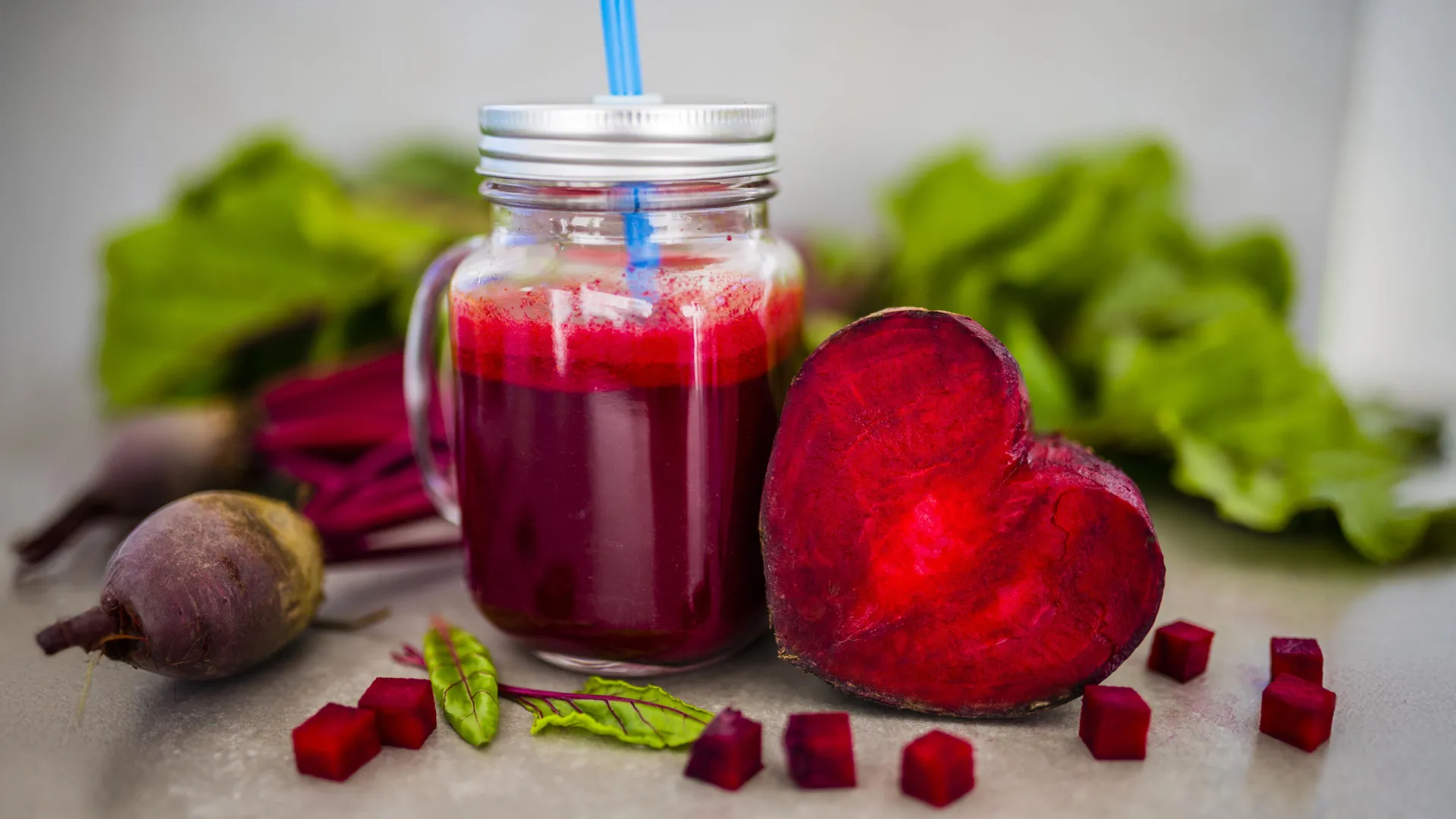
Researchers from the University of Exeter and the University of Reading conducted the largest study of its kind, published in the *Journal of Nutrition*. They recruited 60 older adults (ages 55-75) and 60 younger adults (ages 18-30). For two weeks, half drank 250 ml of concentrated beetroot juice twice daily, while the other half consumed a nitrate-free placebo. The results were striking: older adults who drank the beet juice experienced significant reductions in both systolic and diastolic blood pressure, while younger adults showed no change.

The mechanism is fascinating. Nitrates in beet juice are converted by oral bacteria into nitric oxide, a compound that relaxes blood vessels and improves blood flow. The study also found that the composition of oral microbiota shifted in older adults, favoring bacteria that enhance this conversion. This suggests that beet juice doesn't just provide nitrates—it also "trains" your mouth bacteria to be more efficient. This finding opens a new avenue for interventions targeting the oral microbiome.
“"Drinking beet juice twice daily for two weeks lowers blood pressure in older adults, but not in younger ones."”
Key Findings

- Blood pressure reduction: Older adults who drank beet juice saw an average drop of 8 mmHg in systolic pressure and 4 mmHg in diastolic pressure, compared to placebo. These values are clinically significant and comparable to the effects of some first-line antihypertensive medications.
- No effect in younger adults: Participants aged 18-30 showed no significant changes, suggesting the benefits are specific to older populations with compromised vascular function. This indicates that beet juice restores nitric oxide production rather than boosting it above normal.
- Oral microbiome shift: Saliva analysis revealed an increase in *Neisseria* and *Rothia* bacteria, known for reducing nitrates to nitrites—the key step for nitric oxide production. This shift occurred only in older adults, suggesting the oral microbiome adapts to nitrate intake.
- Rapid onset: Benefits appeared after just two weeks of twice-daily consumption, indicating a quick physiological response. However, whether the effect persists after discontinuation was not assessed.

Why It Matters
High blood pressure is the single most important modifiable risk factor for cardiovascular disease, the leading cause of death worldwide. In older adults, blood pressure tends to rise due to arterial stiffness and reduced nitric oxide production. This study offers a simple, dietary intervention that could complement traditional treatments, potentially reducing medication dependence.
The mouth-heart connection is particularly intriguing. We usually think of oral health only in terms of cavities or gum disease, but here we see that oral bacteria play a direct role in regulating blood pressure. This opens the door to oral probiotics or mouthwashes that boost these beneficial bacteria. Emerging research is exploring whether manipulating the oral microbiome could be a strategy for treating hypertension in aging populations.
For older adults seeking natural alternatives or looking to reduce medication dependence, beet juice could be a valuable tool. However, the study didn't assess interactions with antihypertensive drugs, so always consult your doctor. Also, beet juice is high in oxalates, which could be a concern for those prone to kidney stones.
Your Protocol
If you're over 55 and looking to improve your blood pressure, here's how to apply these findings practically:
- 1Drink concentrated beet juice twice daily. The study used 250 ml (about one cup) of concentrated juice, providing roughly 500 mg of nitrates. You can buy it at health stores or make your own with fresh beets. If making at home, consume it fresh to maximize nitrate content.
- 2Stick with it for at least two weeks. Benefits appeared in that timeframe, but continued use likely maintains the effect. Consider two-week cycles with one-week breaks to avoid oxalate buildup. Monitor your blood pressure at the start and end of each cycle to assess the effect.
- 3Protect your oral microbiome. Avoid antibacterial mouthwash right after drinking beet juice, as it may kill the bacteria that convert nitrates. Brush your teeth before, not after. Also, wait at least 30 minutes before rinsing with water.
Additionally, pair it with a diet rich in leafy greens (spinach, arugula) that also provide nitrates. Regular exercise and reducing sodium intake will amplify the effects. If you're on blood pressure medication, consult your doctor before starting this protocol, as dose adjustments may be necessary.
What To Watch Next
The researchers are already planning a larger trial to confirm these findings and explore whether oral microbiome changes are sustainable long-term. They're also investigating whether certain oral probiotics could mimic or enhance the effect of beet juice. For instance, strains of *Neisseria* and *Rothia* could be administered directly to improve nitrate conversion.
Another promising avenue is the use of nitrate-based mouthwashes for people who can't tolerate beet juice. Biohacking companies are already developing inorganic nitrate supplements, but the evidence is still preliminary. Additionally, research is exploring whether combining beet juice with oral probiotics could accelerate or potentiate the effects.
The Bottom Line
Beet juice isn't a fad—it's a science-backed intervention for lowering blood pressure in older adults. Two weeks of twice-daily consumption can make a clinically meaningful difference, and the effect appears to be mediated by the bacteria in your mouth. If you're over 55, this could be a simple, natural addition to your health routine. As always, consult your doctor before making changes, especially if you're on medication. Next time you see a beet, remember: your heart will thank you.