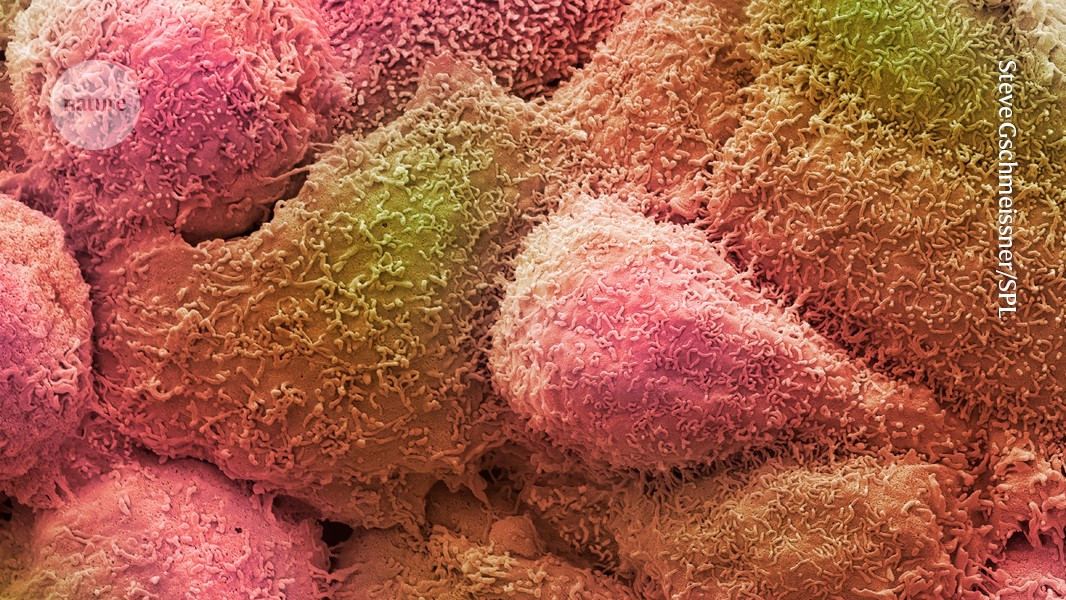
Your gut changes with age, and not always for the better. Diverticulosis affects most people over 80, yet few understand what it is or how to keep it from turning into a serious problem.
The Science
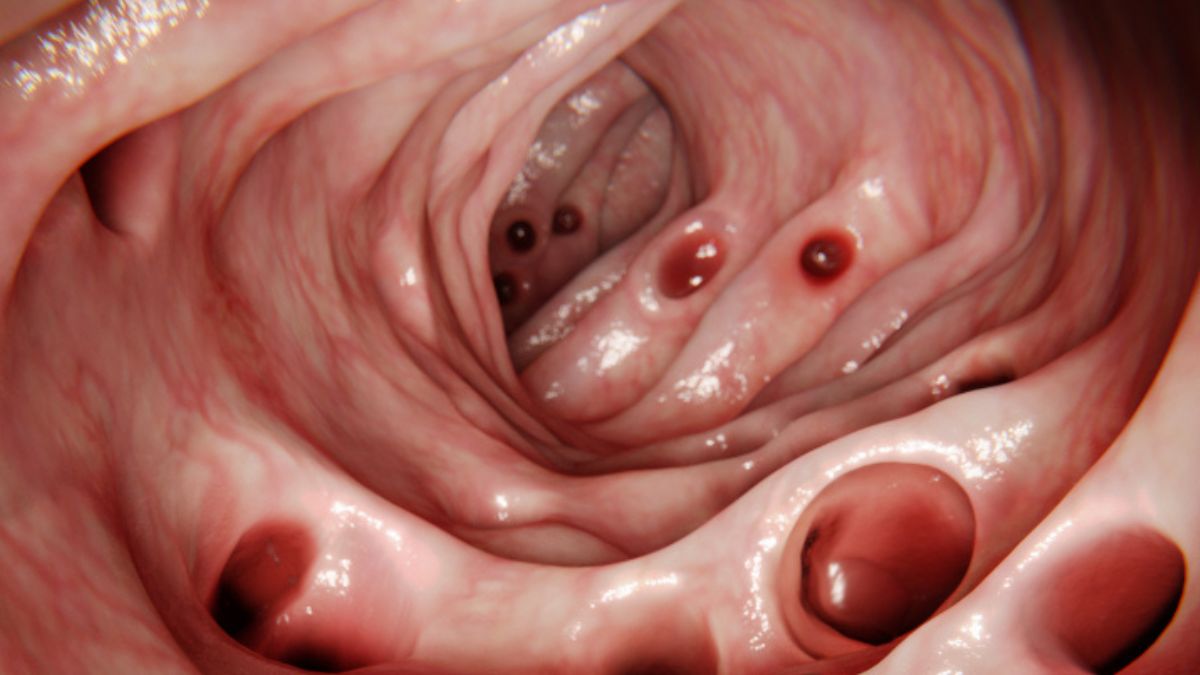
Diverticulosis is a condition where small pouches or sacs (diverticula) form in the wall of the colon. These protrusions, which look like tiny grapes, can appear anywhere in the large intestine but are most common in the sigmoid colon, the final section before the rectum. The intestinal wall weakens with age, and internal pressure from the colon pushes the mucosa through weak spots, creating these diverticula. This process is gradual and silent, which is why many people don't know they have diverticulosis until a routine colonoscopy reveals it.

It's estimated that about 50% of people over 60 have diverticulosis, and that number climbs to 80% by age 80. Most people with diverticulosis have no symptoms; in fact, many discover they have it during a routine colonoscopy. However, in about 10-25% of cases, the diverticula can become inflamed or infected, leading to diverticulitis, which causes abdominal pain, fever, nausea, and changes in bowel habits. Diverticulitis can range from a mild episode manageable with antibiotics to a surgical emergency if the colon perforates.
“Diverticulosis is nearly inevitable with age, but diverticulitis—its most feared complication—is largely preventable.”