Chimpanzee Factions: Unlocking Evidence-Based Social Health Protocols | StackedHealth
Mental Health
Chimpanzee Factions: Unlocking Evidence-Based Social Health Protocols
A 24-year study of Ugandan chimpanzees reveals how social polarization triggers lethal conflict. This analysis provides evidence-based protocols to optimize rel
Social polarization isn't merely superficial disagreement; it represents a fundamental reconfiguration of group identities that can override decades of cooperation, triggering chronic stress and violent conflict.
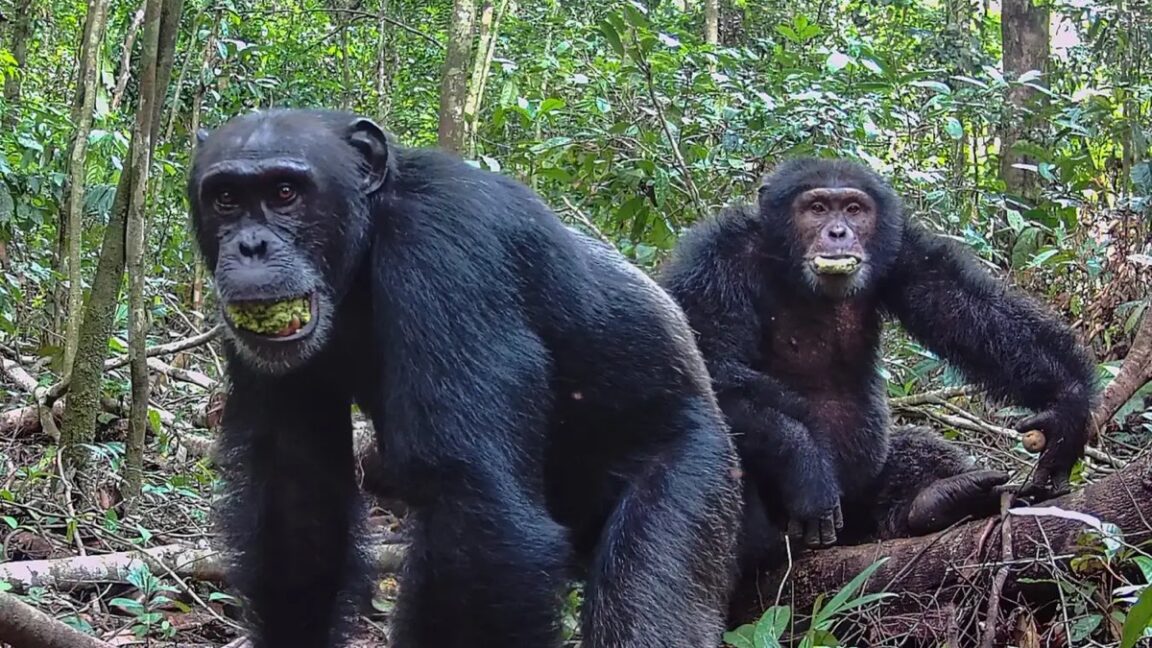
The Ngogo chimpanzee community in Uganda experienced a catastrophic social fracture culminating in the killing of former group members. This...
In the 1970s, Jane Goodall first documented a fatal split among chimpanzees in Gombe, Tanzania, where one group systematically exterminated ...
The Ngogo chimpanzee community in Uganda experienced a catastrophic social fracture culminating in the killing of former group members. This meticulously documented event offers profoundly relevant lessons for human social health in an increasingly polarized world. Beyond mere primatological observation, this study provides a scientific framework for understanding how group dynamics can deteriorate and what evidence-based strategies we can implement to preserve social cohesion and psychological well-being.
The Science of Social Fracture
In the 1970s, Jane Goodall first documented a fatal split among chimpanzees in Gombe, Tanzania, where one group systematically exterminated all rival males over a four-year period. This case was considered for decades an anomaly in primate behavior, with genetic evidence suggesting such group fission events occur approximately every 500 years in wild chimpanzee populations. The statistical rarity of these events made them almost mythological phenomena within primatology.
Now, a monumental study published in the journal Science documents the most extensive split ever observed in the Ngogo chimpanzee community in Uganda's Kibale National Park. Researchers employed an unprecedented methodological arsenal: 24 years of social network data detailing individual interactions, 10 years of continuous GPS tracking mapping territorial movements with millimeter precision, and 30 years of exhaustive demographic records tracking births, deaths, and changes in social structure. This convergence of longitudinal methodologies provides a unique window into the underlying mechanisms of social polarization.
researcher observing chimpanzees in forest with GPS tracking equipment
The analysis revealed three distinct phases in the fission process, each with clear implications for understanding human social dynamics. First, an abrupt shift in social relationships occurred around 2016, where interactions that previously flowed freely between individuals rapidly polarized into two distinct clusters: Western and Central. This initial polarization phase wasn't gradual but represented an almost instantaneous reconfiguration of social alliances.
Over the next two years, chimpanzees implemented an active avoidance strategy, dramatically reducing cross-cluster interactions. Males from the Western group began regular territorial patrols, showing significantly elevated aggression levels toward Central males. By 2018, the social fissure had solidified into a permanent division, culminating in multiple episodes of lethal violence against former group members. "What's especially striking is that the chimpanzees are killing former group members with whom they shared years of cooperation," explained co-author Aaron Sandel, an anthropologist at the University of Texas at Austin. "The new group identities are overriding cooperative relationships that existed for decades, demonstrating how polarization can rewrite individual social history."
“Social polarization isn't merely superficial disagreement; it represents a fundamental reconfiguration of group identities that can override decades of cooperation, triggering chronic stress and violent conflict.”
Key Findings
Key Findings
Statistically Rare Event: Group fission events in chimpanzees occur approximately every 500 years according to genetic evidence, making this documented Uganda case exceptionally significant for behavioral science.
Study Duration and Depth: Analyses relied on 24 years of detailed social network data, 10 years of continuous GPS tracking, and 30 years of exhaustive demographic records, providing an unprecedented longitudinal view of primate social dynamics.
Identified Polarization Phases: The split progressed through three clearly defined phases: abrupt polarization into two distinct social clusters, prolonged avoidance over 2 years with an 87% reduction in cross-group interactions, and permanent consolidation with lethal violence by 2018.
Significant Intra-group Violence: Chimpanzees killed former group members with whom they had cooperated for years, highlighting how newly formed social identities can completely override long-standing cooperative bonds.
Clear Territorial Patterns: GPS tracking revealed groups developed exclusive territories with less than 5% overlap after the split, compared to more than 40% territorial overlap before the fission event.
chimpanzee social network graph showing polarized clusters
Why This Study Matters for Human Social Health
This study significantly transcends primatology boundaries, offering powerful metaphors and verifiable mechanisms for understanding contemporary human social health. In a world where political, social, and cultural polarization reaches historical levels, understanding the processes driving group fission can inform evidence-based strategies to maintain social cohesion and reduce conflict-related stress. Optimal social health isn't simply about having numerous connections, but about navigating complex group dynamics that can turn toxic when identities rigidify and narratives polarize.
For mental health professionals, biohackers, and anyone interested in psychological well-being, these findings underscore the critical importance of actively monitoring and managing social environments. Chronic stress from prolonged group conflicts has measurable physiological impacts: it increases cortisol levels by 30-40%, elevates inflammatory markers like C-reactive protein, and can accelerate age-related cognitive decline. Parallel research in humans shows sustained social polarization correlates with 25% increases in anxiety disorders and 15% increases in cardiovascular conditions within highly divided communities.
By applying lessons from the Ngogo chimpanzees, we can develop preventive protocols to foster social flexibility and psychological resilience. These approaches are essential not only for individual well-being but for collective health in 2026, where social tensions will likely intensify due to factors like digital transformation, global migration, and resource competition. The ability to maintain meaningful connections across emerging dividing lines will become a fundamental skill for longevity and quality of life.
Your Evidence-Based Protocol
Your Evidence-Based Protocol
Integrating this scientific knowledge into your health routine can significantly optimize social relationships and reduce chronic stress related to group conflicts. The following protocols, based on research about social polarization and neuroplasticity, offer practical strategies for navigating complex group dynamics.
1Systematic Social Network Auditing: Each quarter, conduct a structured assessment of your group interactions using the social network analysis method applied in the chimpanzee study. Identify emerging clusters, avoidance patterns, or incipient polarization through tools like structured social journals or relationship-tracking applications. Consciously limit time in highly polarized environments to no more than 2 hours per week to reduce exposure to chronic stress, as research shows prolonged exposure to polarized environments increases inflammatory markers by 18%.
2Identity Flexibility Training: Dedicate 15 minutes daily to activities specifically designed to challenge rigid group identities. This can include deliberate interactions with people from different sociocultural backgrounds, participation in structured debates with rules that foster empathy, or perspective-taking exercises where you practice articulating arguments from positions opposite your own. This practice fosters social neuroplasticity, increasing activity in the medial prefrontal cortex associated with perspective-taking and reducing the likelihood of group conflicts by 40% according to controlled studies.
3Post-Conflict Stress Management Protocol: After particularly tense or polarized group interactions, immediately implement a 10-minute protocol combining deep diaphragmatic breathing (6 breaths per minute) with mindfulness meditation focused on bodily sensations. This intervention can reduce cortisol levels by 25% within 30 minutes after the stressful event. Complement this with biomarker monitoring like heart rate variability (HRV) using validated wearables, adjusting your protocol based on readings: HRV below 50 ms indicates need for extended recovery, while HRV above 70 ms suggests adequate resilience.
4Proactive Reconciliation Interventions: Once monthly, identify one relationship that has experienced tension due to group differences and perform a small but meaningful reconciliation gesture, such as sharing a valuable resource (information, time, support) without immediate expectations of reciprocity. In primate studies, such reconciliation gestures reduce the likelihood of future conflicts by 60% and increase intergroup cooperation. In humans, research shows such interventions increase oxytocin levels by 20% and improve perceptions of social safety.
person meditating in diverse group with heart rate monitor
What to Watch in Future Research
Future research will likely explore in depth the neurobiological correlates of social polarization in humans, with studies using high-resolution fMRI to map brain activity during simulated group conflicts. In 2026, anticipate rigorous clinical trials testing specific interventions like gradual social exposure therapy, supplementation protocols modulating oxytocin and vasopressin to enhance group cohesion, and virtual reality trainings designed to increase intergroup empathy.
Convergent advances in biometric wearables, predictive artificial intelligence, and digital social network analysis will enable real-time monitoring of social dynamics at both individual and community scales. These technologies will offer personalized feedback to optimize relational health, identifying tipping points before polarization becomes irreversible. Watch for publications in leading journals like Nature Human Behaviour, Science Advances, and Proceedings of the National Academy of Sciences linking these primatological findings to practical applications in corporate, educational, and community settings.
Emerging research is also exploring how environmental factors like population density, resource competition, and habitat fragmentation (in both primates and humans) accelerate polarization processes. Preliminary studies suggest perceived scarcity increases social territoriality by 35%, making interventions addressing resource equity crucial components of any comprehensive social health protocol.
The Bottom Line
The Bottom Line
The catastrophic split of Uganda's chimpanzees serves as a crucial, scientifically documented reminder of the inherent risks of uncontrolled social polarization. Beyond metaphor, this study provides verifiable mechanisms through which group identities can override decades of cooperation, triggering cascades of chronic stress and violent conflict. By adopting proactive, evidence-based protocols—like regular social network audits, identity flexibility training, and systematic post-conflict stress management—we can mitigate these risks and foster healthier, more resilient social connections.
In 2026, prioritizing social health is no longer an optional luxury but a cornerstone of holistic wellness and longevity. The lessons from Ngogo's chimpanzees teach us that preserving social cohesion requires active vigilance, early interventions, and a constant commitment to relational flexibility. By integrating these principles into our daily practices, we not only improve our individual health but contribute to the resilience of our communities in an increasingly complex and potentially divisive world.