Neuroscience needs a new operating system.
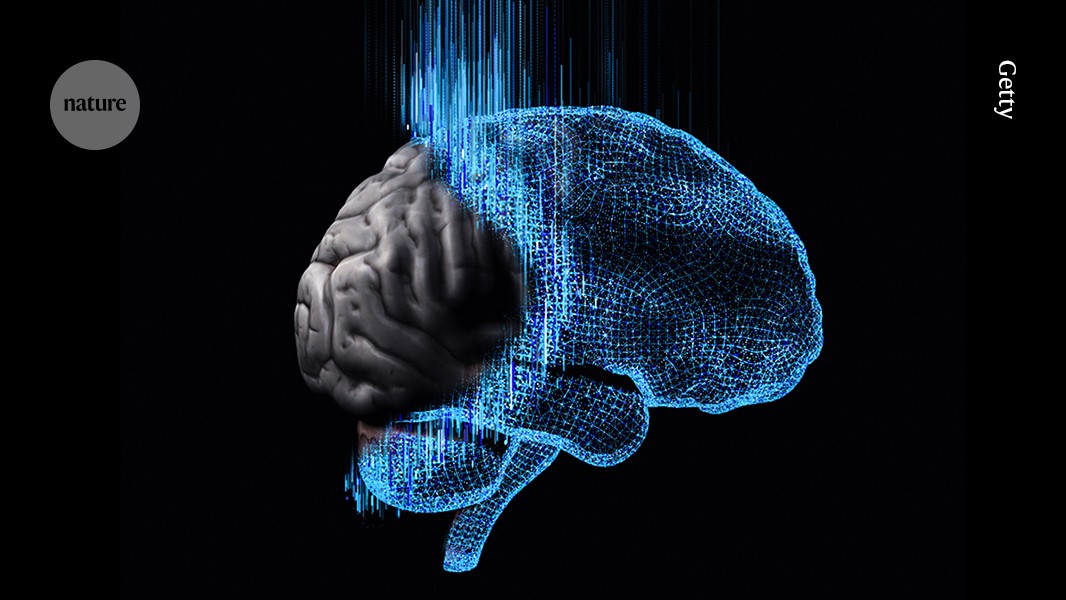
A recent Nature article (published May 25, 2026) argues that the dominant computer metaphor for the brain is holding back progress. For health optimizers, this shift means rethinking how we approach cognitive enhancement and mental wellness. The critique is not merely academic; it has profound implications for how we treat mental disorders, enhance cognitive function, and promote healthy aging. For decades, the computer metaphor has guided research funding, experimental design, and even clinical therapies. But now, a growing body of evidence suggests that the brain does not process information like a machine; instead, it constructs meaning through constant interaction with the body and environment. This paradigm shift aligns with emerging fields like embodied cognition, dynamical systems theory, and developmental biology, which view the mind as an emergent property of a living organism embedded in a world.
The Science

For decades, neuroscience has modeled the brain as an information processor: input, computation, output. But this analogy, while intuitive, ignores the brain's biological plasticity, its embedding in a body, and its dynamic interaction with the environment. The Nature piece contends that this metaphor has led to theoretical dead ends, particularly in understanding consciousness and mental disorders. For example, depression is not simply a "software bug" in serotonin circuits; it involves systemic inflammation, gut-brain axis dysregulation, and alterations in the microbiome. Similarly, anxiety is not reducible to excessive "threat processing"; it is shaped by bodily experiences, breathing patterns, and interoceptive signals. The article draws on decades of research showing that cognition is embodied, situated, and enactive—meaning it arises from the history of interactions between an organism and its environment.

The critique goes beyond philosophy. By treating the brain as a computer, research has prioritized reductionist experiments over holistic approaches. This has limited progress in treating conditions like depression, anxiety, and ADHD, which are now understood to involve whole-body systems—gut microbiome, inflammation, hormonal axes—not just neural circuits. The Nature article calls for a shift toward frameworks that embrace complexity, such as dynamical systems theory, which models the brain as a self-organizing system that continuously adapts to internal and external perturbations. This has direct implications for biohacking: if the brain is not a computer, then optimizing it is not about increasing processing speed or memory storage. It's about nurturing a biological system: feeding it right, letting it rest, challenging it physically, and connecting socially. This aligns with emerging evidence that practices like intermittent fasting, cold exposure, and mindfulness work through metabolic and hormonal pathways, not just synaptic ones.
“The computer metaphor for the brain has outlived its usefulness, stifling innovation in neuroscience and mental health.”
Key Findings
- Metaphor fatigue: The article calls for abandoning the computational model in favor of embodied, dynamic systems approaches. It argues that the computer metaphor has constrained research questions and limited the development of effective interventions.
- New frameworks: Proposed alternatives include developmental biology, dynamical systems theory, and enactive cognition—all emphasizing context and interaction. These frameworks view the brain as a self-organizing system that co-evolves with its environment.
- Clinical implications: This shift could lead to more effective, personalized treatments for mental health, moving beyond pills to lifestyle interventions. For example, exercise, diet, and sleep are now recognized as first-line treatments for mild to moderate depression.
- Biohacker relevance: Understanding the brain as a living system validates protocols that target metabolism, sleep, stress, and social connection—not just supplements for 'brain speed.' Practices like cold exposure, intermittent fasting, and meditation are now being studied for their effects on neuroplasticity and neuroinflammation.

Why It Matters
For anyone serious about cognitive optimization, this paradigm shift is a wake-up call. If the brain isn't a computer, then optimizing it isn't about increasing processing speed or memory storage. It's about nurturing a biological system: feeding it right, letting it rest, challenging it physically, and connecting socially. This aligns with emerging evidence that practices like intermittent fasting, cold exposure, and mindfulness work through metabolic and hormonal pathways, not just synaptic ones. The next frontier of neuroenhancement will likely involve integrated protocols that address the whole organism. For instance, aerobic exercise boosts brain-derived neurotrophic factor (BDNF), which promotes neuroplasticity; deep sleep consolidates memory and clears metabolic waste; and positive social interactions release oxytocin, reducing cortisol. All of this points to the brain not operating in isolation, but as part of an integrated system. The future of neuroenhancement is about synergy—combining nutrition, exercise, sleep, stress management, and social connection in personalized ways.
Your Protocol
- 1Think systemically: Don't isolate brain health. Prioritize sleep (7-9 hours), regular exercise (especially aerobic, such as running or swimming, at least 150 minutes per week), and a diet rich in omega-3s (fatty fish, walnuts, flaxseeds) and polyphenols (berries, green tea, dark chocolate). These nutrients support neurogenesis and reduce inflammation. Also, consider intermittent fasting (e.g., 16:8 protocol) to enhance autophagy and metabolic flexibility, which benefit brain health.
- 2Embrace variability: The brain thrives on novelty and challenge. Rotate cognitive tasks, learn new skills (e.g., a musical instrument or a new language), and vary your workout routine to stimulate neuroplasticity. Avoid repetitive, monotonous activities that lead to cognitive stagnation. Incorporate activities that require coordination, such as dancing or martial arts, which engage multiple brain regions simultaneously.
- 3Leverage body-brain feedback: Practice slow, diaphragmatic breathing (e.g., 5-second inhale, 5-second exhale) before demanding mental work. This activates the parasympathetic system, improving focus and reducing anxiety. Also, try cold exposure (cold showers for 2-3 minutes) to increase norepinephrine and alertness, or take nature walks to reduce rumination. Monitor how these practices affect your mood and cognitive performance throughout the day. Keep a simple journal to track correlations between interventions and outcomes.
What To Watch Next
Expect a surge in research linking the gut-brain axis, circadian biology, and exercise-induced neurotrophins like BDNF. Also watch for clinical trials combining non-invasive brain stimulation (tDCS, TMS) with lifestyle interventions—this could be the next big thing in personalized brain health. Additionally, pay attention to research on circadian rhythm optimization: morning light exposure and evening blue light reduction can enhance cognitive function and sleep quality. The field of psychoneuroimmunology is also revealing how chronic stress affects brain inflammation, opening the door to anti-inflammatory interventions like curcumin or omega-3 supplementation. Finally, look for studies on the role of social connection in neuroprotection—loneliness is now considered a risk factor for cognitive decline, and interventions that foster community may have direct brain benefits.
The Bottom Line
The brain is not a computer; it's a living ecosystem. Ditching the old metaphor opens the door to more effective, holistic strategies for mental performance and well-being. For biohackers and health optimizers, the future is about synergy—not just supplements, but sleep, movement, nutrition, and community. The brain's next upgrade starts with rethinking what it is. By adopting a systemic approach, embracing variability, and leveraging body-brain feedback, you can start today to align your lifestyle with the true nature of your brain.
:format(jpg):quality(99):watermark(f.elconfidencial.com/file/a73/f85/d17/a73f85d17f0b2300eddff0d114d4ab10.png,0,275,1)/f.elconfidencial.com/original/db8/542/553/db85425531e8279752484bcf8926cf91.jpg)