
A tiny blue octopus emerges from the Pacific depths. Its rarity isn't just chromatic: it could rewrite what we know about longevity and cellular adaptation.
The Science
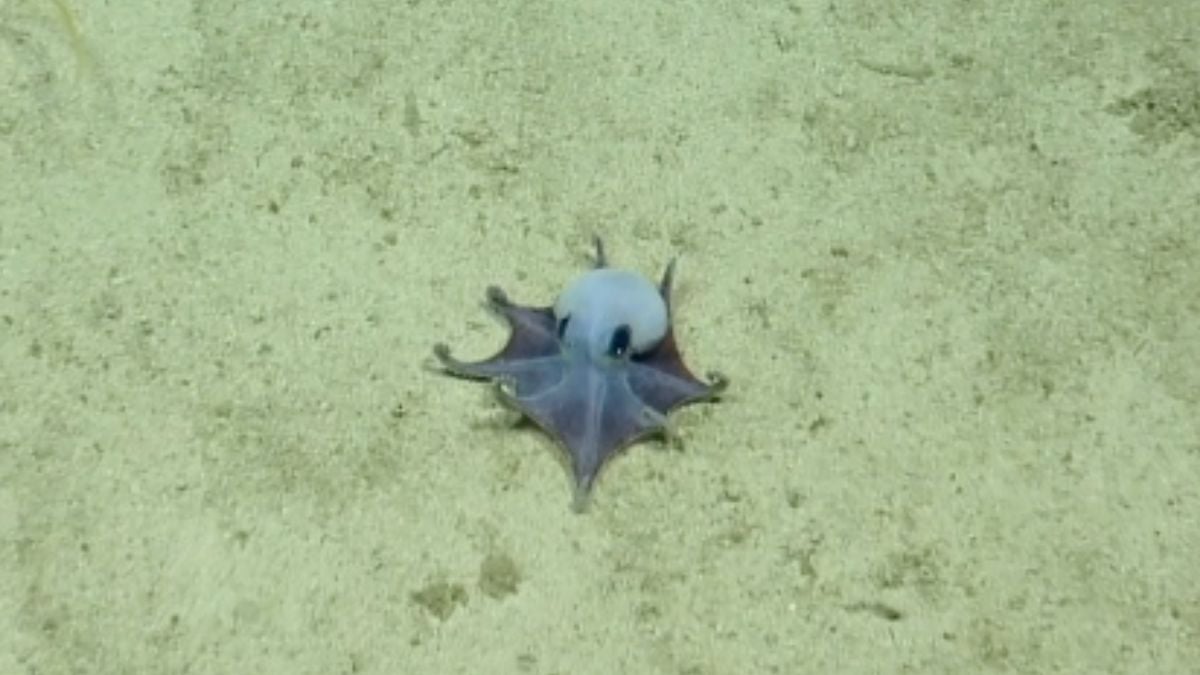
Researchers at the Galapagos Research Institute have identified a new octopus species in the archipelago's waters, a vibrant blue cephalopod never before documented. The discovery, published this week, describes an animal under 10 centimeters that inhabits mesophotic zones between 200 and 500 meters deep. What makes this octopus exceptional isn't only its color but its physiology: it exhibits an unusually low metabolic rate and an estimated lifespan double that of similar species.

Scientists have identified that this octopus possesses an antioxidant enzyme with 40% higher efficiency than its close relatives. This enzyme, similar to human superoxide dismutase, could explain its resistance to oxidative damage and extended lifespan. Additionally, its DNA repair system shows three times the activity of the average cephalopod, suggesting cellular protection mechanisms against aging.
“This blue octopus isn't just a biological curiosity: it's a living model of longevity that could inspire anti-aging therapies for humans.”
Key Findings

- Slow metabolism: Its basal metabolic rate is 30% lower than similarly sized octopuses, reducing oxidative stress and prolonging life.
- Record lifespan: Estimated to live up to 8 years, double that of other octopus species of its size, which typically live 3-4 years.
- Enhanced antioxidant enzyme: Its superoxide dismutase is 40% more efficient at scavenging free radicals, a key longevity factor.
- Potentiated DNA repair: Its repair protein activity is three times higher, potentially preventing mutations and age-related diseases.
- Extreme habitat: Lives at depths where pressure is 50 times atmospheric, forcing unique cellular adaptations.

Why It Matters
This discovery isn't just biodiversity news. For biohackers and longevity enthusiasts, this octopus represents a treasure trove of biological mechanisms that could translate into human interventions. The enhanced antioxidant enzyme, for example, could inspire supplements or gene therapies that mimic its efficiency. The potentiated DNA repair points to compounds that activate the same pathways in our cells.
Who benefits most: longevity researchers, nutraceutical developers, and anyone interested in extending metabolic health. The finding also reinforces the idea that nature is the best pharmacy: creatures adapted to extreme environments have already solved problems we're just beginning to face.
Your Protocol
While science advances, you can apply this octopus's principles to your routine:
- 1Lower your metabolic rate: Incorporate intermittent fasting (16:8) and cold exposure (cold showers for 2-3 minutes) to reduce oxidative stress, mimicking the octopus's slow metabolism.
- 2Boost antioxidant defenses: Eat polyphenol-rich foods (blueberries, turmeric, green tea) and consider supplements like astaxanthin or NAC, which support endogenous antioxidant enzymes.
- 3Support DNA repair: Ensure optimal levels of vitamin D (3,000-5,000 IU/day), magnesium, and zinc, essential for DNA repair proteins. Moderate sun exposure also activates these pathways.
What To Watch Next
The Galapagos team plans to sequence the octopus's full genome to identify the genes responsible for its capabilities. First results are expected in 2027. Additionally, a lab in California is synthesizing the antioxidant enzyme to test on human cell models. If results are positive, we could see preclinical trials by 2028.
The Bottom Line
A blue octopus from Galapagos reminds us that answers to longevity may lie in the most unexpected places. Its slow metabolism, potent antioxidant, and DNA repair offer a roadmap for future therapies. In the meantime, you can start today: reduce your oxidative stress, support your cellular repair, and stay tuned for advances. Nature has already shown the way.
In-Depth Analysis
Implications for Aging Research
The discovery of this blue octopus comes at a pivotal time for aging biology. For decades, scientists have studied model organisms like zebrafish, mice, or yeast to understand longevity mechanisms. However, these models have limitations: short lifespans and artificial environments. The blue octopus, in contrast, offers a window into a real evolutionary strategy that has worked for millions of years under extreme conditions.
The combination of slow metabolism, potent antioxidant, and efficient DNA repair is no coincidence. In evolutionary biology, these traits often co-evolve in species facing harsh environments. The blue octopus lives in cold, dark waters with low oxygen and high pressure. To survive, its body has optimized every cellular process to minimize damage and maximize repair. This is exactly what longevity researchers seek: interventions that reduce cumulative damage and maintain cellular function.
Potential Applications in Human Medicine
The blue octopus's superoxide dismutase (SOD) enzyme is particularly promising. Human SOD is a primary defense against oxidative stress, but its efficiency declines with age. If scientists can synthesize a version of the octopus SOD or design molecules that mimic its activity, we could have a new type of therapeutic antioxidant. Unlike common antioxidants (like vitamin C or E), which are consumed when neutralizing free radicals, the octopus SOD appears to be catalytic: it can neutralize multiple radicals without degrading. This makes it much more potent and long-lasting.
Additionally, the enhanced DNA repair opens the door to therapies that activate endogenous repair proteins. Currently, drugs like PARP inhibitors block repair in cancer cells, but no approved treatments enhance repair in healthy cells. The blue octopus could provide the keys to develop DNA repair activators, with applications in cancer prevention, neurodegenerative diseases, and general aging.
Ecological Context and Conservation
The finding also underscores the importance of conserving deep marine ecosystems. Mesophotic zones, between 200 and 500 meters, are among the least explored habitats on Earth. Each expedition reveals new species with unique adaptations. However, these areas are threatened by bottom trawling, deep-sea mining, and climate change. Ocean acidification, in particular, could affect these organisms' ability to maintain optimal enzyme and protein function.
Protecting these habitats is crucial not only for biodiversity but also for biomedical research. Every extinct species might have held the key to a revolutionary therapy. The blue octopus is a reminder that nature remains our best source of inspiration for human health.
Future Outlook
Next steps include full genome sequencing, expected by 2027. This will identify not only the SOD and repair protein genes but also the regulatory pathways controlling their expression. Researchers hope to find differences in genetic promoters or epigenetic mechanisms that keep these genes active throughout the octopus's life.
Concurrently, the California lab is working on recombinant expression of the octopus SOD in bacteria. If they can produce sufficient quantities, they will test its effect on human cell cultures under oxidative stress. Preliminary results could be available by late 2026. If positive, animal studies (mice) would begin in 2027, with possible human trials by 2029-2030.
Final Reflection
The blue octopus from Galapagos is not a magic bullet for longevity, but it is a roadmap. It shows us that evolution has already solved some of the problems we worry about most: how to live longer and healthier. Modern science can learn from these natural solutions and translate them into practical interventions. In the meantime, each of us can adopt habits that mimic these principles: reduce metabolic stress, boost antioxidant defenses, and support cellular repair. Nature has given us the clues; now it's up to us to follow them.

:format(jpg):quality(99):watermark(f.elconfidencial.com/file/a73/f85/d17/a73f85d17f0b2300eddff0d114d4ab10.png,0,275,1)/f.elconfidencial.com/original/805/b73/aa3/805b73aa313a3029485756f478b8fa34.jpg)