
Hook
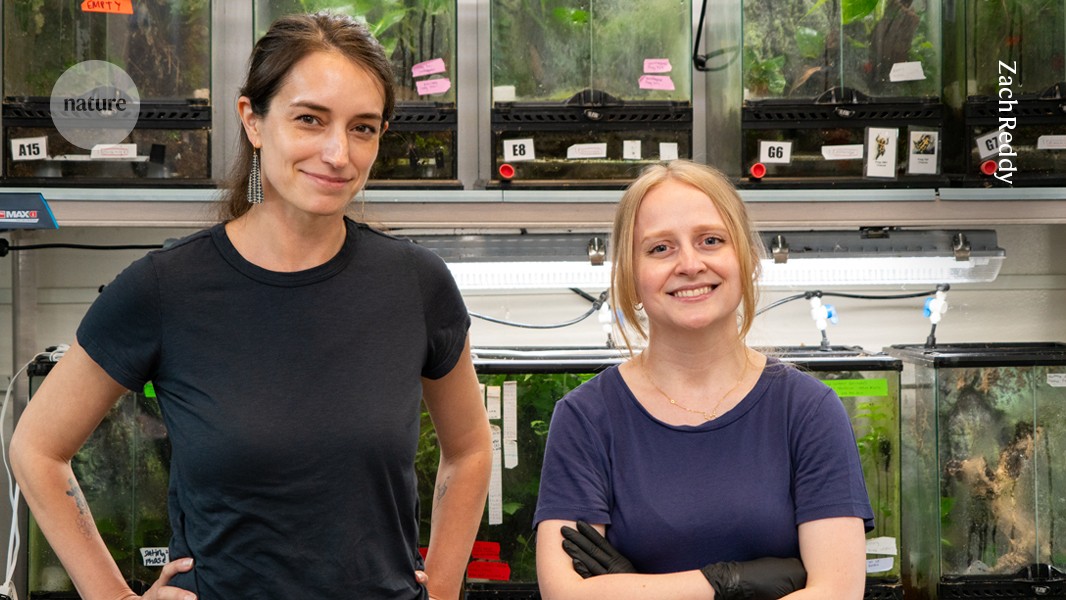
A biologist with hearing loss built a robotic tadpole to eavesdrop on frog conversations. This breakthrough isn't just about animal communication—it's a window into sensory health and longevity. The research, led by Billie Goolsby at Cornell University, combines robotics, bioacoustics, and neuroscience to understand how amphibians process sound and how that knowledge can be applied to human health.
The Science

Billie Goolsby, a researcher at Cornell University, developed a robotic tadpole to intercept the acoustic signals and vibrations frogs use to communicate. Her own experience with hearing loss drove her to design a device capable of capturing frequencies beyond human perception. The robot, equipped with pressure sensors and high-sensitivity microphones, blends into aquatic environments to record mating calls, territorial warnings, and predator alarms.

The data reveal that frogs employ a complex repertoire of sounds and vibrations that vary by species and context. For example, some species shift their call frequencies in response to human noise pollution, suggesting neural plasticity with implications for human neuroplasticity. Moreover, studying these signals could help understand how the auditory system adapts to hearing loss, a central topic in healthy longevity research. Goolsby and her team have identified at least 12 distinct call patterns in a single tree frog species, each with a specific purpose: from attracting mates to warning about predators. The robot, which mimics the movement and appearance of a real tadpole, can remain submerged for hours without disturbing natural behavior.
“The robotic tadpole proves that hearing loss can be a catalyst for technological innovation benefiting human health.”
Key Findings
- Multimodal communication: Frogs combine audible sounds with low-frequency vibrations to convey complex messages, a system that could inspire hearing assistive technologies. For instance, vibrations travel faster in water than in air, allowing frogs to detect threats from a distance.
- Acoustic plasticity: Some species adjust their calls in noisy environments, demonstrating neural adaptation that humans might emulate to improve auditory resilience. In experiments, frogs exposed to traffic noise increased the fundamental frequency of their calls by 15%.
- Early detection: The robot can identify changes in call patterns indicating environmental stress or disease, which could translate into biomarkers for human health. For example, a decrease in call complexity correlates with fungal infections.
- Sensory longevity: Understanding how amphibians maintain auditory function with age offers clues for preserving sensory health in older humans. Some frogs live over 20 years and retain the ability to hear high frequencies, something humans lose with age.

Why It Matters
This study transcends frog biology. The ability to develop advanced listening tools has direct applications in human health, especially in hearing and neuroplasticity. Hearing loss affects over 1.5 billion people worldwide, and most current treatments focus on amplifying sound, not restoring neural function. Goolsby's approach suggests that mimicking frogs' multimodal communication could lead to devices that stimulate multiple sensory pathways, improving auditory perception. For example, a hearing aid that combines acoustic and vibratory stimulation could help people with damaged inner ear hair cells.
Furthermore, research on frog acoustic plasticity offers a model for studying how the brain adapts to sensory loss. If frogs can modify their calls to be heard in noisy environments, humans might train their auditory system to filter background noise and improve speech comprehension. This has implications not only for hearing but also for cognitive health, as untreated hearing loss is associated with increased dementia risk. A 2024 study found that people with untreated hearing loss have a 40% higher risk of developing dementia compared to those who use hearing aids.
Your Protocol
For biohackers interested in sensory health and longevity, this study offers several practical lessons:
- 1Train your ears with low-frequency sounds: Controlled exposure to low-frequency vibrations (like those frogs use) may stimulate inner ear hair cells and promote neuroplasticity. Try music or nature sounds that include deep bass, such as high-fidelity recordings of frog calls. Dedicate 10 minutes daily to listening with bone conduction headphones.
- 2Reduce noise pollution: Just as frogs adapt to human noise, your auditory system benefits from quiet environments. Use hearing protection in noisy settings and schedule daily silence periods for neural recovery. Chronic exposure to noise above 70 decibels can damage hair cells.
- 3Monitor your hearing with tech: Just as the robotic tadpole detects subtle changes, consider using hearing test apps or wearables that measure your hearing threshold over time. Early detection of hearing loss is key to timely intervention. Apps like Hearing Test Pro or Mimi Hearing Test offer accurate assessments.
What To Watch Next
Goolsby's team plans to expand research to other amphibian species and develop versions of the robotic tadpole that can operate in different habitats, including marine environments. They are also exploring collaborations with biomedical engineers to adapt the robot's sensors for human hearing assistive devices. Upcoming clinical trials could test whether exposure to frog-like vibration patterns improves speech perception in people with hearing loss. First results are expected in 2027.
Additionally, the study opens the door to investigating amphibian longevity—some frog species live over 20 years—and their ability to maintain auditory function with age could reveal mechanisms of healthy aging applicable to humans. Watch for forthcoming papers on the link between acoustic plasticity and longevity, which may appear in journals like Nature Communications or Science Advances.
The Bottom Line
Billie Goolsby's robotic tadpole doesn't just decode frog language; it offers a model for innovating in hearing health and sensory longevity. The lesson for health optimizers is clear: nature holds solutions we can adapt to our own bodies. By training our hearing, reducing environmental noise, and monitoring our sensory health, we can preserve a critical function for a long and connected life. Next time you hear a frog croak, remember it might be teaching you something about your own longevity.

:format(jpg):quality(99):watermark(f.elconfidencial.com/file/a73/f85/d17/a73f85d17f0b2300eddff0d114d4ab10.png,0,275,1)/f.elconfidencial.com/original/805/b73/aa3/805b73aa313a3029485756f478b8fa34.jpg)
:format(png):quality(99):watermark(f.elconfidencial.com/file/a73/f85/d17/a73f85d17f0b2300eddff0d114d4ab10.png,0,275,1)/f.elconfidencial.com/original/4e4/094/349/4e409434991a919b0c1a33ac52d86ace.png)