Biological resilience isn't an accident, it's a protocol. The adaptation principles governing nature offer a blueprint for optimizing human health. In 2026, the biohacking community faces a paradox: more information available than ever, but less clarity about which protocols actually work. The answer may lie in looking to the oldest and most successful biological systems on the planet. From butterfly metamorphosis to forest recovery after fires, nature has perfected over eons the adaptation mechanisms we can now apply to our physiology. This article explores how five foundational science books—from evolutionary biology to stress physiology—reveal universal adaptation patterns that can transform our approach to health.
The Science
Biological adaptation follows observable patterns across nature. From butterfly metamorphosis to ecosystem resilience, organisms develop mechanisms to thrive in changing environments. These processes aren't random but systematic responses to environmental challenges. Research in evolutionary biology shows that the most successful systems aren't the strongest in an absolute sense, but the most adaptable. The butterfly, for instance, doesn't merely survive its metamorphosis—it uses it as an optimization process that completely transforms its physiology for a new mode of life. This principle of controlled transformation appears at multiple biological scales, from gene expression to the behavior of entire ecosystems.
Modern science has identified fundamental principles underlying these adaptations. Controlled stress exposure, stimulus variability, and intentional recovery emerge as recurring themes in successful biological systems. These mechanisms don't just enable survival—they activate optimization pathways applicable to human physiology. Research in hormesis—the phenomenon where low doses of stress strengthen biological systems—shows that gradual exposure to challenges triggers adaptive responses at the cellular level. Studies from 2025-2026 are mapping how these responses translate into measurable health benefits for humans, from improved mitochondrial function to reduced inflammatory markers. The key is understanding that adaptation isn't a single event, but a continuous process requiring both challenge and recovery.
“Successful biological adaptation follows predictable patterns we can emulate for health optimization. Nature doesn't seek to eliminate stress, but to use it as an optimization tool.”
Key Findings
- Gradual Exposure: Biological systems thrive when facing incremental challenges, not abrupt shocks. Research shows that 5-10% increases in stimulus intensity produce the best adaptations without overwhelming repair systems.
- Controlled Variability: Exposure to different stress types develops more complete resilience than specializing in a single stimulus. 2026 studies indicate that alternating between physical, thermal, and cognitive stress activates complementary adaptive pathways.
- Intentional Recovery: Rest and repair periods are as crucial as challenge periods for optimal outcomes. Research on sleep and cellular regeneration shows that 70-80% of adaptation occurs during recovery periods.
- Contextual Signaling: Organisms adapt responses based on specific environmental cues, not rigid protocols. Successful biological systems constantly monitor their internal and external environments to adjust their responses.
Why It Matters
Biological adaptation principles offer a framework for designing more effective health protocols. Rather than seeking single solutions or isolated interventions, we can create systems that emulate how nature builds resilience. This is particularly relevant in 2026, where information overload and conflicting protocols create confusion in the biohacking community. Applying universal biological principles provides a filter for evaluating which interventions are most likely to work long-term. It's not about adding more supplements or devices, but designing systems that work with our fundamental biology.
Applying these principles can transform how we approach training, nutrition, and stress management. By understanding that optimal adaptation requires varied exposure, adequate recovery, and contextual signaling, we can design protocols that work with our biology rather than against it. This represents a fundamental shift from reductionist approaches toward integrated optimization systems. For example, instead of seeking the "best" exercise, we might design a system that alternates between different movement types to develop more complete physical resilience. In nutrition, instead of rigid diets, we might implement controlled variability in macronutrient composition to maintain metabolic flexibility. Emerging research suggests this systemic approach yields better outcomes than isolated interventions.
Your Protocol
Implementing biological adaptation principles requires a systematic yet flexible approach. Start by identifying areas where your current protocol lacks variability or adequate recovery. The key is creating a system that exposes your physiology to diverse challenges while prioritizing repair. This 8-week protocol is designed to gradually introduce biological adaptation principles into your health routine.
- 1Weeks 1-2: Assessment and baseline - Monitor your current stress responses. Record how you feel after different challenge types (exercise, fasting, cold exposure). Identify recovery patterns and areas where your adaptive response could be improved.
- 2Weeks 3-4: Introduction of controlled variability - Alternate between at least three different stress types each week. For example: strength training one day, interval cardio the next, and cold exposure the third. Maintain moderate intensity (60-70% of your perceived maximum) to allow gradual adaptation.
- 3Weeks 5-6: Recovery optimization - Schedule intentional recovery periods after each challenge. This includes quality sleep (7-9 hours), breathing techniques to activate the parasympathetic system, and full active recovery days (gentle walks, stretching). Adaptation occurs during rest, not during stress.
- 4Weeks 7-8: Integration of contextual signaling - Adjust your protocol based on biological signals, not rigid calendars. Listen to your body's responses—persistent fatigue, sleep changes, appetite variations—and modify challenge intensity and frequency accordingly.
What To Watch Next
Emerging research is exploring how biological adaptation principles can apply to specific health interventions. Ongoing studies are mapping molecular pathways connecting varied stress exposure to improved cellular resilience and longevity. This research line promises more personalized protocols based on individual responses to different challenge types. In 2026, we expect to see the first wearable devices that can monitor multiple adaptation markers in real time, providing immediate feedback on how our bodies respond to different interventions.
The scientific community is particularly interested in how these principles can optimize existing interventions. From intermittent fasting protocols to extreme temperature exposure, applying controlled variability and intentional recovery could significantly improve outcomes. 2026 findings will likely transform how we design biohacking interventions. One promising area is research on how different stress types activate complementary autophagy pathways—the process by which cells remove damaged components. Preliminary studies suggest that combining fasting, exercise, and cold exposure in specific sequences might enhance this cellular cleanup process more than any isolated intervention.
The Bottom Line
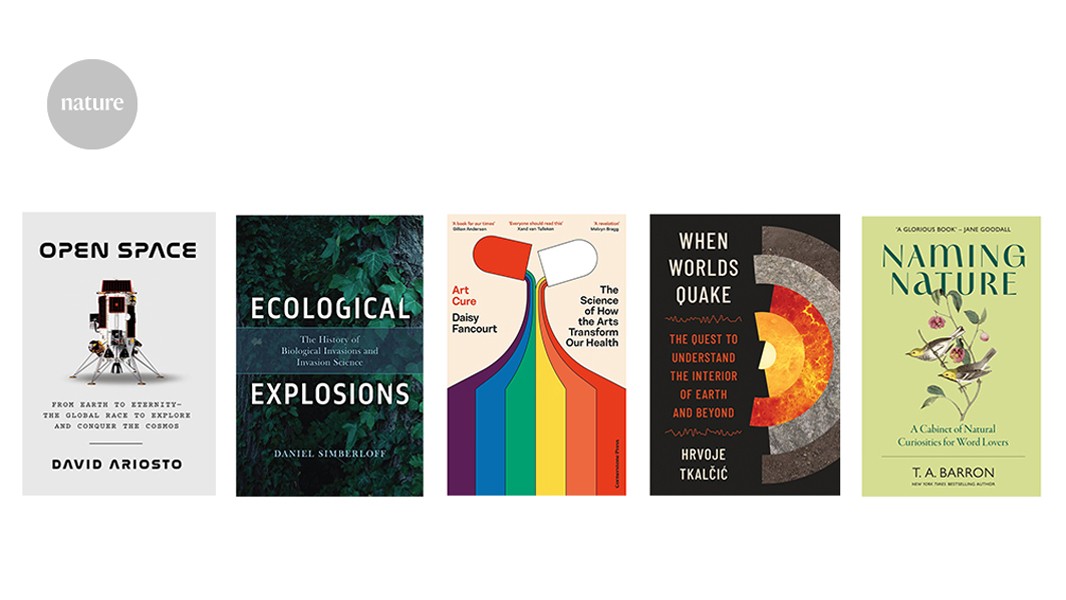
Biological adaptation principles offer a powerful framework for optimizing human health. By emulating how nature builds resilience, we can design more effective and sustainable protocols. The key lies in balancing varied exposure with intentional recovery, continuously adjusting based on biological signals. Health optimization in 2026 will require fewer rigid protocols and more intelligent adaptive systems. The five science books that inspire this approach—from systems biology to stress physiology—point toward a path to more robust and adaptable health. It's not about avoiding stress, but learning to use it as a transformation tool, much like the butterfly uses its chrysalis to emerge more capable than ever.
%3Aformat(jpg)%3Aquality(99)%3Awatermark(f.elconfidencial.com%2Ffile%2Fa73%2Ff85%2Fd17%2Fa73f85d17f0b2300eddff0d114d4ab10.png%2C0%2C275%2C1)%2Ff.elconfidencial.com%2Foriginal%2F9d6%2Fbf5%2F763%2F9d6bf5763e6fb48937de59cee864975d.jpg&w=1920&q=75)

%3Aformat(jpg)%2Ff.elconfidencial.com%252Foriginal%252F740%252F556%252Feb1%252F740556eb139db7c017bdfc7478bbe901.jpg&w=1920&q=75)