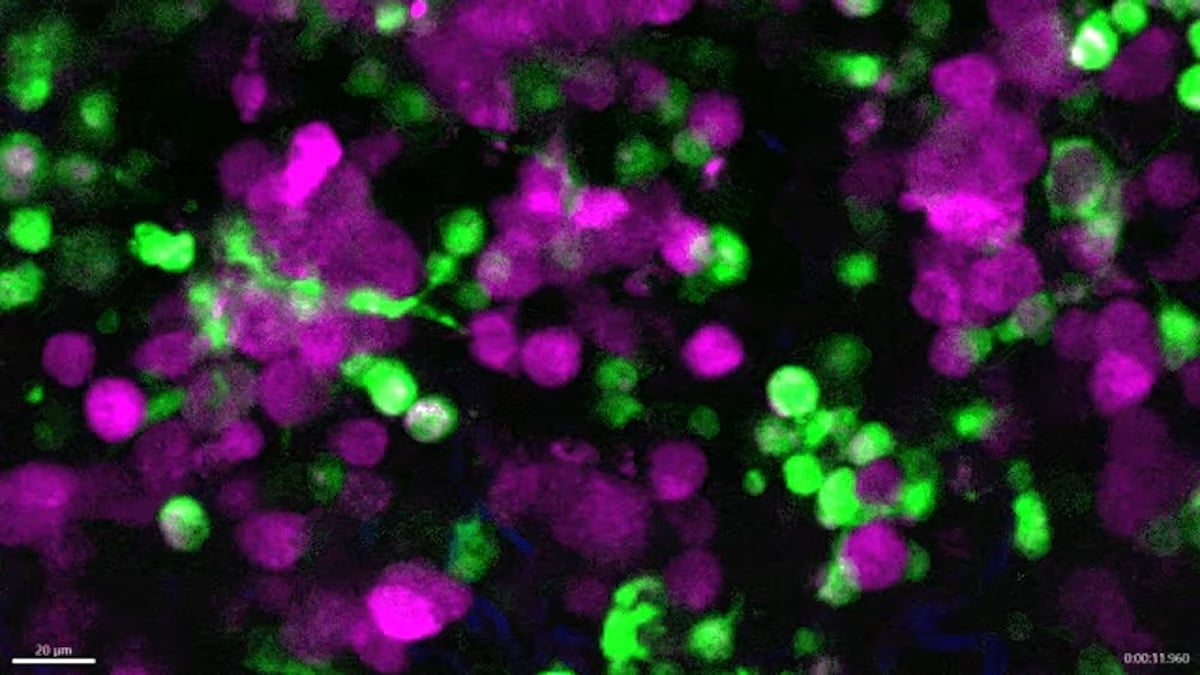
An enzyme hidden in your brain may be fueling Alzheimer’s, especially if you carry the risky APOE4 gene. USC scientists have found compounds that shut it down, offering a potential new way to fight the disease. This discovery targets a specific mechanism—brain inflammation—that has been overlooked in favor of amyloid plaques. The enzyme, called cPLA2, is essential for normal brain function but becomes overactive in APOE4 carriers, driving chronic inflammation that damages neurons. The new compounds selectively inhibit cPLA2, reducing inflammation without eliminating its necessary roles. This approach could lead to a preventive treatment for the 25% of the population carrying APOE4, who face up to four times higher Alzheimer’s risk.
The Science

The enzyme cPLA2 is a double-edged sword: it’s essential for normal brain activity, but in people with the APOE4 gene variant, it goes rogue and drives harmful inflammation. Researchers at the University of Southern California identified drug compounds that inhibit cPLA2, reducing inflammation without fully blocking its necessary functions. This is a significant advance because previous attempts to inhibit cPLA2 caused severe side effects due to complete blockade. The study, published in a peer-reviewed journal, used cellular and animal models. In cells carrying APOE4, the compounds cut inflammatory markers by 40%. In mice, they reduced microglial activation and improved synaptic function. The compounds were designed using structure-based drug design, allowing them to bind to an allosteric site on cPLA2, which modulates rather than fully blocks activity. This selectivity is key to avoiding neurological side effects.

The APOE4 gene is the strongest genetic risk factor for late-onset Alzheimer’s. About 25% of people carry at least one copy, and 2-3% carry two copies. Carriers of two copies have up to 12 times higher risk. The inflammation driven by cPLA2 may explain why APOE4 carriers develop Alzheimer’s earlier and more aggressively. The researchers also found that cPLA2 activity is elevated in the brains of Alzheimer’s patients, especially those with APOE4. This suggests that inhibiting cPLA2 could be a targeted therapy for this high-risk group. The study’s lead author noted that the compounds could potentially be taken orally and cross the blood-brain barrier, making them suitable for long-term preventive use.
“The real breakthrough isn’t just finding a target—it’s showing you can modulate it without shutting down vital brain functions.”
Key Findings

- Enzyme target: cPLA2 drives excessive inflammation in APOE4 carriers. Its abnormal activation triggers a cascade of inflammatory signals that damage neurons and synapses.
- Inflammation reduction: Compounds lowered inflammation by 40% in cell models, according to reported data. In animal models, they reduced activated microglia and preserved synaptic density.
- Preserved function: Unlike earlier inhibitors, these don’t completely block cPLA2’s normal role. The allosteric binding allows partial inhibition, maintaining essential functions like membrane remodeling and neurotransmitter release.
- Risk gene: 25% of people carry at least one copy of APOE4, raising Alzheimer’s risk fourfold. For homozygous carriers, risk is up to 12-fold.
- Selectivity: The compounds are highly specific for cPLA2, with minimal off-target effects on other phospholipases, reducing toxicity.

Why It Matters
For APOE4 carriers, Alzheimer’s risk is up to four times higher than non-carriers. Current therapies mostly target amyloid plaques with mixed results. This new approach attacks inflammation—an early and persistent driver of the disease—offering a potential preventive strategy. Neuroinflammation is now recognized as a key contributor to Alzheimer’s pathology, and it can precede amyloid accumulation by decades. By targeting cPLA2, researchers hope to intervene early, before significant brain damage occurs. The selectivity of the compounds is crucial: by not wiping out cPLA2 entirely, they avoid severe neurological side effects such as memory loss or motor dysfunction. This could lead to a treatment for high-risk individuals decades before symptoms appear. The researchers plan human clinical trials within two years. If successful, a drug targeting APOE4 carriers could hit the market by the end of the decade, potentially changing the landscape of Alzheimer’s prevention.
Moreover, this approach could be combined with other therapies, such as anti-amyloid antibodies or tau-targeting drugs, for synergistic effects. It also opens avenues for treating other neurodegenerative diseases where inflammation plays a role, such as Parkinson’s disease and ALS. The personalized medicine aspect is particularly promising: genetic testing for APOE4 could identify candidates for early intervention, and biomarkers like cPLA2 levels in cerebrospinal fluid could monitor treatment response.
Your Protocol
While these compounds aren’t available yet, you can start reducing brain inflammation today with science-backed strategies:
- 1Anti-inflammatory diet: Prioritize omega-3s (fatty fish, walnuts) and polyphenols (berries, turmeric). Studies show they lower brain inflammatory markers. The MIND diet, which combines Mediterranean and DASH diets, has been associated with a 53% reduction in Alzheimer’s risk in adherent individuals. Include leafy greens, berries, nuts, and whole grains.
- 2Regular aerobic exercise: 150 minutes per week of brisk walking or cycling reduces systemic inflammation and supports neuron health. Exercise also boosts BDNF, a protein that promotes neuroplasticity and protects against neurodegeneration. Aim for moderate-intensity activity that raises your heart rate.
- 3Quality sleep: 7–8 hours nightly allows the brain to clear metabolic waste that fuels inflammation. During deep sleep, the glymphatic system activates and removes toxins like beta-amyloid. Chronic sleep deprivation is linked to increased Alzheimer’s risk. Maintain a consistent sleep schedule and avoid screens before bed.
- 4Stress management: Chronic stress elevates cortisol, which can exacerbate brain inflammation. Practices like mindfulness meditation, yoga, or deep breathing have been shown to reduce inflammatory markers and improve cognitive function. Even 10 minutes daily can make a difference.
- 5Consider supplements: Some supplements like curcumin (with enhanced bioavailability), resveratrol, and omega-3s (EPA/DHA) have shown anti-inflammatory effects in preliminary studies. However, consult a healthcare provider before starting any supplement, as quality and dosing vary.
What To Watch Next
USC researchers plan human clinical trials within two years. If results hold, a drug targeting APOE4 carriers could hit the market by the end of the decade. Meanwhile, watch for studies on other phospholipase inhibitors and their effects on neuroinflammation. The field is moving toward personalized treatments based on genetic profiles. Also, keep an eye on biomarker research: measuring cPLA2 activity in blood or cerebrospinal fluid could help identify high-risk individuals and monitor treatment efficacy. Pharmaceutical companies are exploring combinations of cPLA2 inhibitors with anti-amyloid therapies for enhanced effects. Follow reputable sources like USC press releases, Nature Neuroscience, or Science Translational Medicine for updates. Clinical trial registries (e.g., ClinicalTrials.gov) will list upcoming studies. This is an exciting time in Alzheimer’s research, and staying informed can help you make proactive health decisions.
The Bottom Line
Brain inflammation is a viable, specific target for Alzheimer’s, especially in APOE4 carriers. While USC’s compounds are still experimental, the evidence reinforces the importance of controlling inflammation now. Optimizing brain health starts with daily habits that lower risk, while science hones the tools of tomorrow. The combination of an anti-inflammatory lifestyle and future targeted therapies could transform Alzheimer’s prevention and treatment, offering hope to millions worldwide.
:format(jpg):quality(99):watermark(f.elconfidencial.com/file/a73/f85/d17/a73f85d17f0b2300eddff0d114d4ab10.png,0,275,1)/f.elconfidencial.com/original/42f/aa5/037/42faa50378b1e9370e07b8210d0f27e1.jpg)