Your immune system just got a starring role. A new video captures macrophages — the 'big eaters' of your body — devouring live skin cancer cells in real time. This isn't just cool footage; it's a window into how you can optimize your body's natural defenses.
The Science
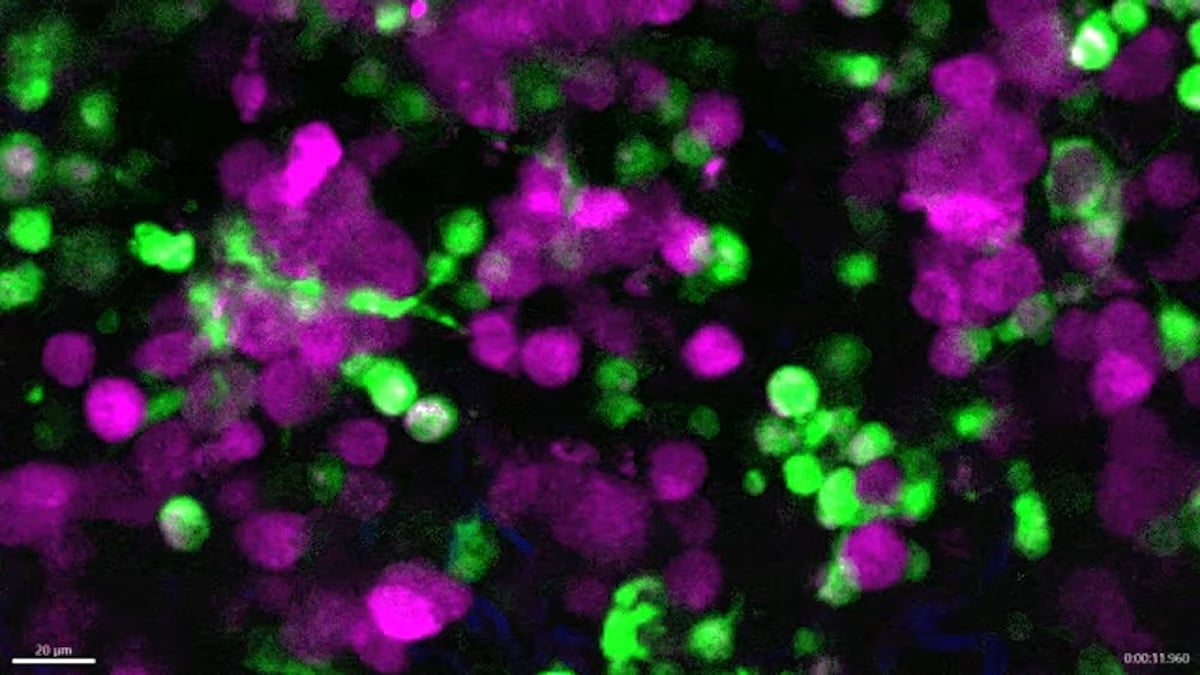

Researchers have filmed macrophages engulfing and digesting melanoma cells, a process called phagocytosis. These immune cells are the first responders, constantly patrolling tissues for threats. The video shows them recognizing cancer cells, latching on, and pulling them inside to be destroyed. This visual proof underscores a critical point: your innate immune system can eliminate cancer cells before they become dangerous. However, tumors often evolve ways to avoid detection. Understanding this dance between macrophages and cancer is key to new therapies.
Macrophages originate from circulating monocytes and differentiate into tissue-specific subtypes, such as alveolar macrophages in the lungs or Kupffer cells in the liver. Each subtype has specialized functions, but all share the ability to phagocytose. In the cancer context, macrophages can adopt two phenotypes: M1 (pro-inflammatory, anti-tumor) and M2 (anti-inflammatory, pro-tumor). The video predominantly captures M1 macrophages in action, but tumors often recruit M2 macrophages to suppress immunity. This duality explains why not all macrophages fight cancer effectively. Current research focuses on reprogramming M2 macrophages toward an M1 phenotype, thereby enhancing the immune response. Additionally, the tumor microenvironment can secrete factors like IL-10 and TGF-beta that push macrophages toward M2, highlighting the need for strategies that counteract these signals.
“The video proves macrophages can identify and eliminate cancer cells, but their effectiveness depends on immune signaling and overall health.”
Key Findings
- Direct phagocytosis: Macrophages engulf whole cancer cells, a process that can be enhanced through specific nutrients and habits.
- Molecular recognition: Cancer cells display 'eat me' signals (e.g., calreticulin) that macrophages detect, while healthy cells show 'don't eat me' signals (e.g., CD47).
- Therapeutic potential: Activating macrophages could complement immunotherapies like checkpoint inhibitors, increasing response rates.
- Window of opportunity: The innate immune system responds quickly, but cancer can develop resistance by overexpressing CD47, a 'don't eat me' signal.
- Macrophage duality: Not all macrophages are anti-tumor; some subtypes (M2) can promote tumor growth. The key is to tip the balance toward M1.
- Systemic influence: Factors like circadian rhythm, gut microbiome, and stress hormones modulate macrophage activity, offering multiple intervention points.

Why It Matters
This has huge implications for cancer prevention and treatment. Macrophages aren't just for skin cancer; they patrol nearly every tissue, including breast, lung, and colon. Their function can be influenced by diet, exercise, sleep, and stress. Chronic inflammation, poor nutrition, and sleep deprivation impair M1 macrophage activity and promote the M2 phenotype. Conversely, specific nutrients and habits can boost anti-tumor activity.
For health optimizers, this reinforces the value of a robust immune system. Emerging evidence suggests that the gut microbiome also plays a crucial role: certain bacteria produce metabolites that activate macrophages. For example, butyrate, a short-chain fatty acid produced by fiber fermentation, can enhance phagocytosis. Moreover, circadian rhythm influences macrophage activity; sleep disruption can reduce their effectiveness. Therefore, optimizing innate immunity requires a holistic approach. The video also highlights the potential of combining lifestyle interventions with emerging therapies, such as CD47 inhibitors, which are currently in clinical trials for various cancers.
Your Protocol
To optimize macrophage function and innate immunity, consider these evidence-backed strategies:
- 1Prioritize deep sleep: During sleep, the immune system regenerates and macrophages show increased phagocytic activity. Aim for 7-9 hours of quality sleep, maintaining a consistent schedule. Blue light exposure at night can suppress melatonin, which in turn modulates immune function. Consider using blue-light blocking glasses or reducing screen time before bed.
- 2Incorporate intermittent fasting: Fasting for 16-18 hours can activate autophagy and enhance immune function. Animal studies show that fasting reduces inflammation and promotes macrophage reprogramming toward an M1 phenotype. Start with a 16:8 protocol, fasting for 16 hours and eating within an 8-hour window. Stay hydrated with water, black coffee, or unsweetened tea during the fast.
- 3Consume beta-glucan-rich foods: Mushrooms like shiitake, maitake, and reishi, as well as oats and barley, contain beta-glucans that stimulate macrophages via receptors like Dectin-1. Incorporate at least one serving daily. For example, add cooked oats to breakfast or include shiitake mushrooms in stir-fries. Beta-glucan supplements are also available, but whole foods offer additional nutrients.
- 4Maintain optimal vitamin D levels: Vitamin D deficiency is linked to weakened immune function and increased cancer risk. Macrophages express vitamin D receptors, and activation enhances phagocytosis. Get 15-20 minutes of sun exposure daily or supplement with 2000-4000 IU per day, depending on your blood levels. Consider testing your 25-hydroxyvitamin D levels to personalize dosage.
- 5Regular moderate exercise: Physical activity improves circulation and immune surveillance. Moderate aerobic exercise (e.g., brisk walking for 30 minutes daily) increases the circulation of monocytes and macrophages and reduces chronic inflammation. Avoid overtraining, which can suppress immunity. Incorporate resistance training as well, as it may enhance immune function through different mechanisms.
- 6Include polyphenols in your diet: Compounds like curcumin (turmeric), resveratrol (red grapes), and catechins (green tea) have been shown to enhance macrophage activity in vitro. Consume these foods regularly, but note that bioavailability can be low; combine curcumin with black pepper (piperine) or consume fermented foods. Aim for a diverse intake of colorful fruits and vegetables to maximize polyphenol variety.
- 7Manage stress through mindfulness: Chronic stress elevates cortisol, which can suppress macrophage function and promote M2 polarization. Practices like meditation, deep breathing, or yoga can lower cortisol levels. Even 10 minutes of daily mindfulness can improve immune markers. Consider apps like Headspace or Calm to get started.

What To Watch Next
Researchers are exploring drugs and gene therapies to supercharge macrophages. For example, CD47 inhibitors (such as Hu5F9-G4) are in clinical trials to block the 'don't eat me' signal, allowing macrophages to attack tumors. Supplements like curcumin and resveratrol are also being studied for their ability to enhance phagocytosis. Clinical trials in the next few years may translate this video into concrete treatments. Additionally, microbiome research is revealing specific probiotic strains that can modulate macrophage function, such as Lactobacillus rhamnosus and Bifidobacterium longum. Keep an eye on these developments, as they may offer new ways to boost innate immunity. The field of immunometabolism is also growing, exploring how metabolic pathways in macrophages influence their anti-tumor activity. For instance, targeting glycolysis or fatty acid oxidation could shift macrophages toward an M1 phenotype.
The Bottom Line
This video is a powerful reminder that your body already has tools to fight cancer. Supporting your macrophages with healthy habits is a low-risk, high-reward strategy. Science is advancing, but you can start optimizing your immunity today. Don't wait for disease to strike; build a resilient immune system through sleep, nutrition, exercise, and stress management. Your health is in your hands.