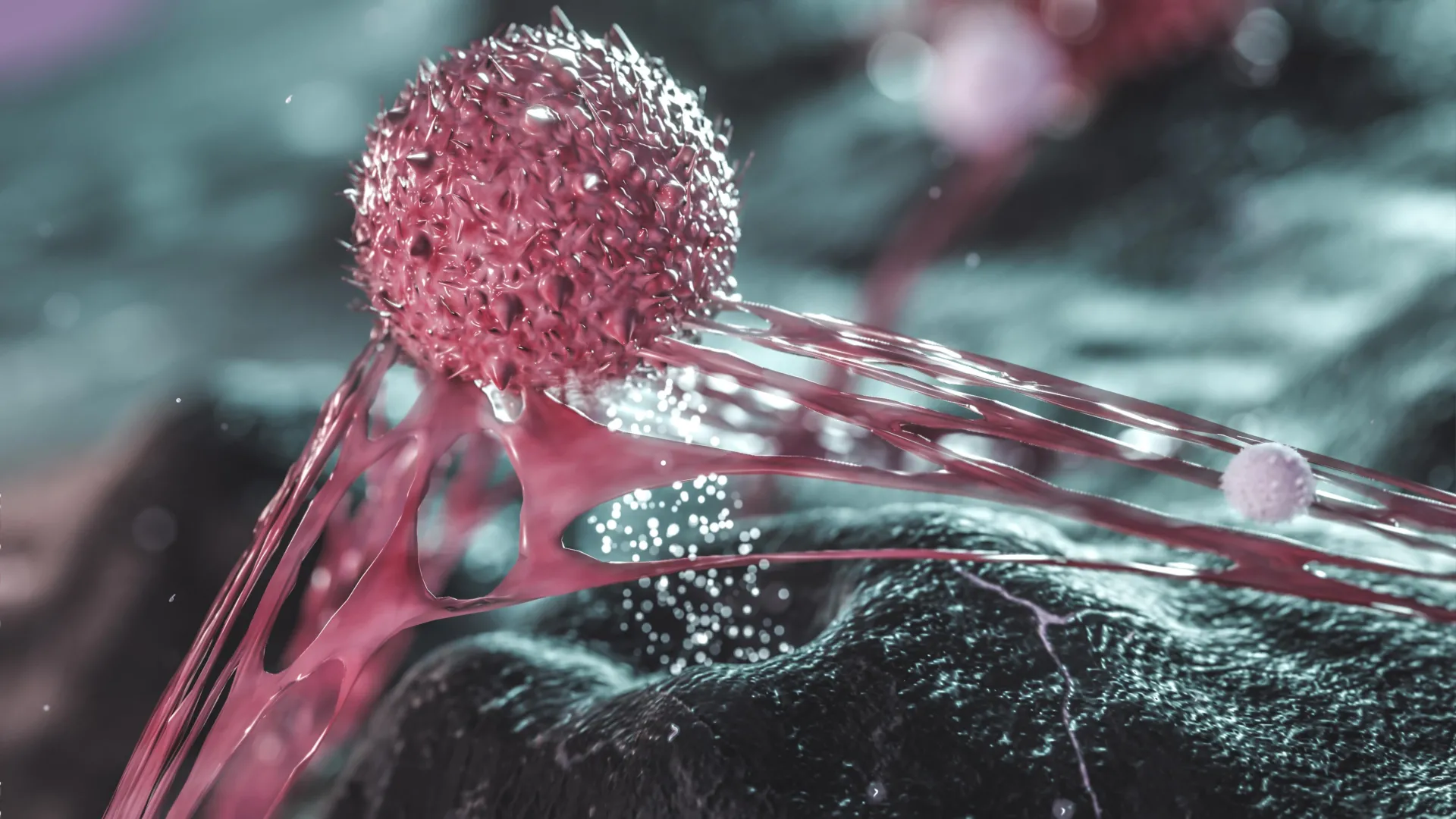
Your next hypoxia session might be more about genetics than you think.
While you're optimizing performance with simulated altitudes, one human population has been doing it naturally for millennia — and their genome is still changing.
The Science
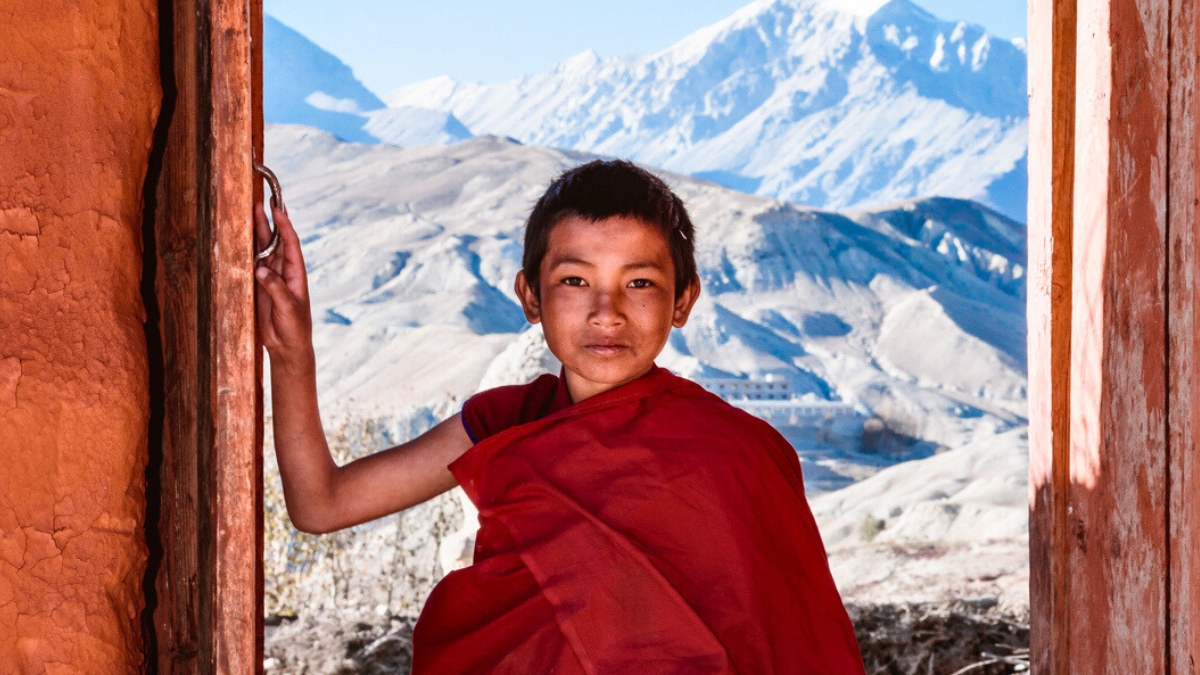
Researchers from the Kunming Institute of Zoology and the University of Copenhagen analyzed the genomes of 3,000 Tibetans and discovered that natural selection is actively shaping their ability to live at high altitude. The study, published in *Science Advances*, identified a variant of the *EPAS1* gene that regulates hemoglobin to prevent excessive polycythemia, a common problem in other high-altitude populations.

87% of Tibetans carry at least one copy of this protective variant, compared to just 9% of Han Chinese from lowlands. The data suggest the variant's frequency increased significantly over the last 3,000 years, representing a case of "ongoing natural selection."
“"This is a case of ongoing natural selection that we can observe in real time."”
To contextualize, the researchers compared Tibetan genomes with those of low-altitude populations and other high-altitude groups like the Andeans. Unlike Tibetans, Andeans exhibit a more active HIF response, resulting in higher hemoglobin levels and greater risk of chronic mountain sickness. This underscores that the Tibetan EPAS1 variant is a unique evolutionary solution, not a generic altitude adaptation.
Furthermore, the study used genetic dating techniques to estimate that positive selection on EPAS1 began approximately 3,000 years ago, coinciding with the expansion of agriculture on the Tibetan Plateau. This suggests that lifestyle and dietary changes may have accelerated selective pressure. The authors also note that other variants in genes like EGLN1 and PPARA contribute to adaptation, but EPAS1 is the most prevalent and has the largest effect.
Key Findings

- Gene frequency: The EPAS1 variant appears in 87% of Tibetans versus only 9% in low-altitude populations. In Andeans, the frequency is below 5%.
- Physiological advantage: Carriers have a 70% reduced risk of chronic mountain sickness and improved oxygen saturation during exercise by 5-10% on average.
- Evolutionary timeline: Significant allele frequency shift occurred within the last 3,000 years — a blink in evolutionary terms. This implies natural selection can act rapidly when environmental pressure is strong.
- Mechanism: The variant dampens the hypoxia-inducible factor (HIF) response, preventing the overproduction of red blood cells that causes cardiovascular strain. Specifically, it reduces EPAS1 expression under hypoxia, modulating erythropoietin (EPO) production and maintaining hemoglobin at optimal levels (15-16 g/dL instead of >19 g/dL).
- Health implications: Carriers have lower incidence of pulmonary hypertension and altitude-related strokes. They also show better endothelial function and reduced oxidative stress.

Why It Matters
This finding is more than anthropological curiosity. For anyone using hypoxic training or considering altitude living, understanding how Tibetans solved the oxygen problem offers actionable insights.
The EPAS1 variant acts as a "molecular brake" that prevents the body from overreacting to low oxygen. Instead of producing too many red blood cells — which thickens blood and stresses the heart — Tibetans maintain a more balanced response. This has direct implications for training: while elite athletes often seek to increase EPO to improve oxygen transport, Tibetans show that a moderate approach may be more sustainable long-term.
For biohackers experimenting with hypoxic chambers or altitude masks, the message is clear: genetics matter. Not everyone responds the same to the same hypoxic dose. Some may benefit greatly; others may experience headaches or fatigue. Indeed, recent studies show that up to 20% of athletes using intermittent hypoxia develop altitude sickness symptoms, possibly due to an exaggerated HIF response.
Moreover, the research opens the door to pharmacological interventions that mimic the EPAS1 variant effect. For example, HIF inhibitors like roxadustat (approved for renal anemia) could be repurposed to prevent polycythemia in people moving to high altitudes. However, the authors caution that manipulating the HIF system must be careful, as it also regulates angiogenesis and cellular metabolism.
Your Protocol
While you can't change your genetics (yet), you can apply Tibetan principles:
- 1Gradual hypoxia exposure: Start with short sessions of 10-15 minutes at 12-14% oxygen, rather than extreme drops. Tibetans didn't reach 4,000 meters in a day. Increase duration by 10% weekly and never exceed 60 minutes per session without supervision. A typical acclimatization protocol: week 1: 10 min at 14% O2; week 2: 15 min at 13%; week 3: 20 min at 12%; and so on.
- 2Monitor oxygen saturation: Use a pulse oximeter. If your SpO₂ drops below 80% during hypoxic training, reduce intensity. Tibetans maintain 85-90% at rest at 4,000 m. If your SpO₂ remains below 85% after 5 minutes of recovery, consider stopping the session. Keep a daily log to identify patterns.
- 3Strategic supplementation: Consider iron and vitamin C only if your levels are low. Unlike Tibetans, lowlanders often have higher iron stores, which can exacerbate polycythemia under hypoxia. Before supplementing, get a serum ferritin test: if >100 ng/mL, avoid additional iron. Instead, antioxidants like vitamin E (400 IU/day) may help reduce hypoxia-induced oxidative stress.
- 4Train diaphragmatic breathing: Tibetans have larger lung capacity and ventilatory efficiency. Practice slow, deep breaths (6 breaths per minute) for 5-10 minutes before hypoxia exposure to improve oxygenation and reduce anxiety.
- 5Adjust your diet: Tibetans consume a diet rich in complex carbohydrates (barley, tsampa) and low in saturated fats. A high-carb diet can improve anaerobic metabolism efficiency under hypoxia. Avoid alcohol and heavy meals before sessions.
What To Watch Next
The research team plans to sequence additional genomes from high-altitude populations in the Andes and Ethiopia to compare evolutionary paths. They are also exploring whether the EPAS1 variant could have therapeutic applications for hypoxia-related diseases like COPD or heart failure. Preliminary clinical trials are evaluating EPAS1 analogs in COPD patients to improve exercise tolerance.
Additionally, studies are emerging on how controlled hypoxia exposure might induce beneficial epigenetic changes, mimicking some Tibetan adaptations without millennia of natural selection. For instance, DNA methylation in regulatory regions of EPAS1 can modulate its expression, and chronic intermittent hypoxia in mice has been shown to produce methylation patterns similar to Tibetans. If confirmed in humans, this would open the possibility of epigenetically "training" the hypoxia response.
Commercial genetic tests that assess the presence of the EPAS1 variant are also being developed, allowing athletes to personalize their altitude training. However, experts caution that genetics is only one factor; environment and training play equally important roles.
The Bottom Line
Tibetans show us that evolution isn't a thing of the past — it's happening now, and their genome is an instruction manual for living with less oxygen. For the modern biohacker, the lesson is humility and precision: hypoxia is not one-size-fits-all. Measure, adjust, and respect your biology.
Next time you adjust your altitude mask, remember: your DNA carries 300,000 years of history, but Tibetans are writing a new chapter — and we can learn from it. The key is moderation and constant monitoring, not blind imitation. With the right tools, we can approach their efficiency without waiting millennia.