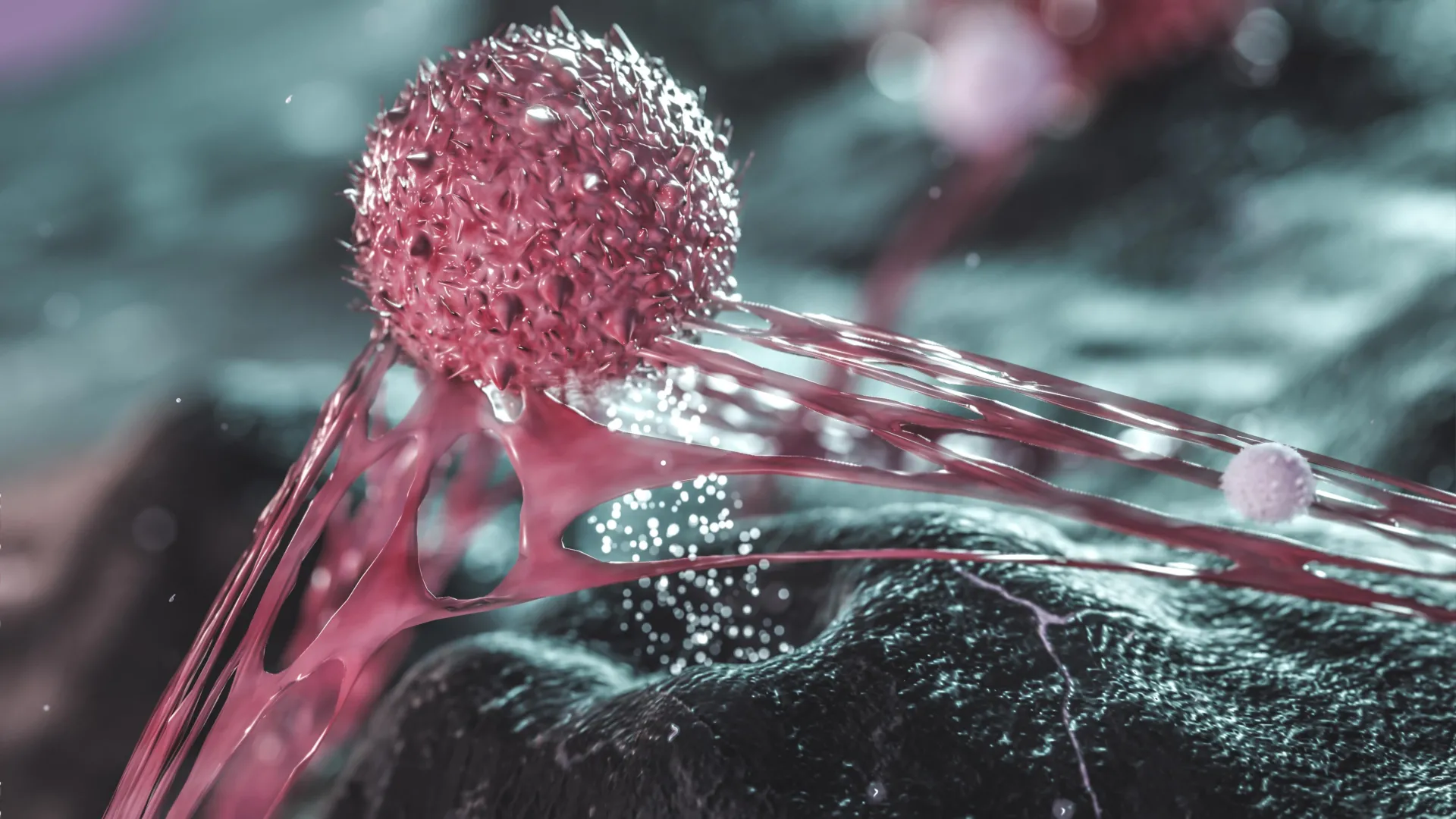
A molecular switch that fuels the damaging brain inflammation in Alzheimer’s disease has been uncovered by scientists at Scripps Research. This discovery could lead to entirely new treatments that target the root cause of neural destruction.
The Science
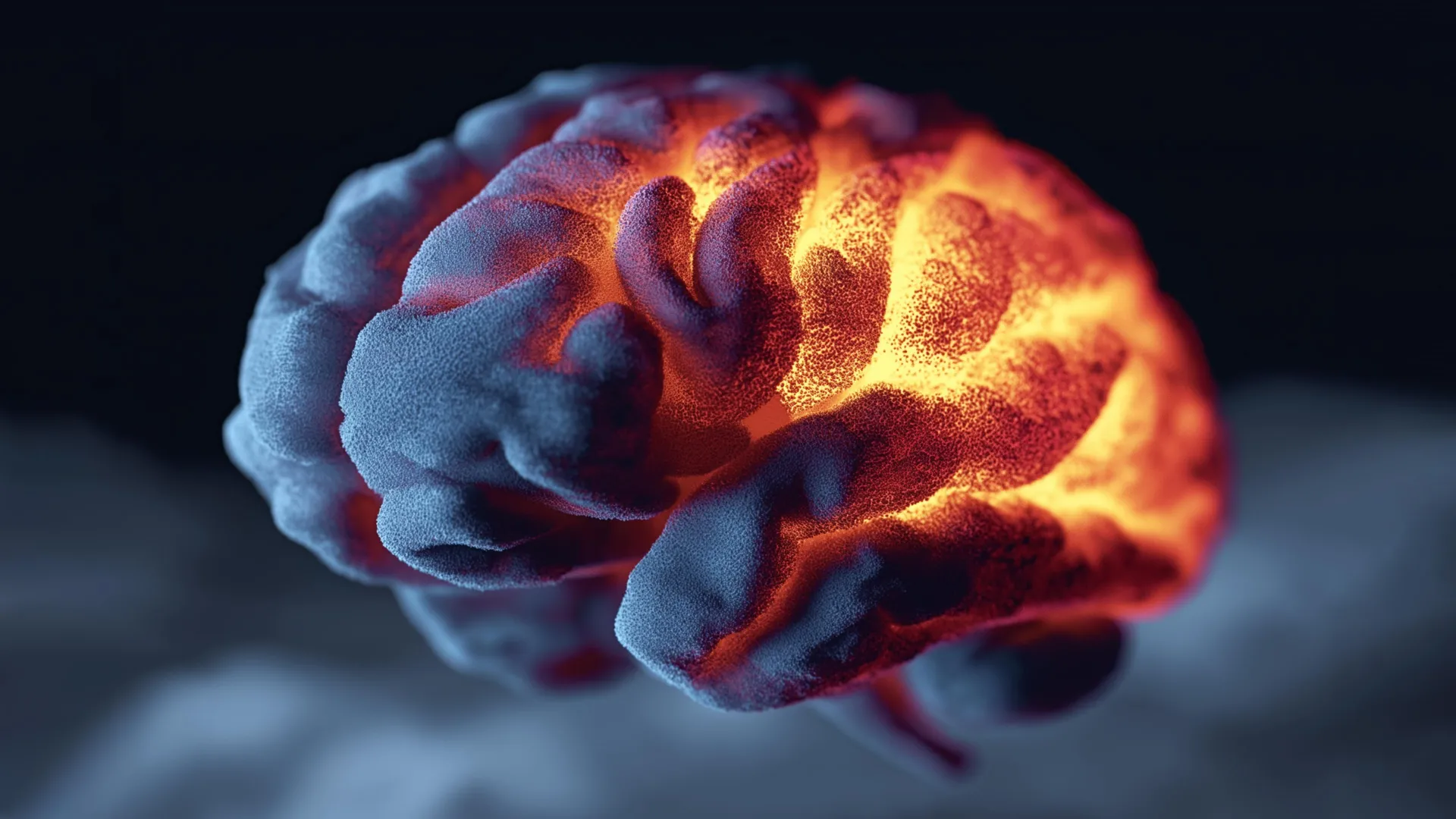
The protein STING (Stimulator of Interferon Genes) normally helps the immune system respond to viral and bacterial threats. But in Alzheimer’s disease, STING becomes chemically altered in a way that keeps the brain’s immune cells—microglia—locked in a chronic state of overdrive. This persistent activation triggers a cascade of inflammatory molecules that damage the connections between neurons.

The research, published in a peer-reviewed journal, used mouse models of Alzheimer’s and postmortem human brain tissue. The team found that a specific chemical modification called acetylation changes STING’s shape, making it constantly active. This leads to sustained production of inflammatory cytokines, which are known to harm synapses and contribute to cognitive decline.
“"We’ve found a molecular switch that keeps the brain in a perpetual state of inflammation, and now we know how to turn it off."”
Key Findings

- Chemical modification: STING undergoes acetylation, a chemical reaction that alters its structure and locks it in an active state.
- Persistent activation: Unlike the normal immune response, STING remains active without an external trigger, causing chronic brain inflammation.
- Synaptic damage: Sustained inflammation directly harms synapses—the connections between neurons—which correlates with memory loss and cognitive impairment.
- Therapeutic target: Blocking STING’s acetylation reduced inflammation in animal models, offering a clear pathway for drug development.

Why It Matters
Alzheimer’s disease affects over 55 million people worldwide, and current treatments only manage symptoms without halting progression. The discovery of STING as an inflammatory switch provides a completely new target. Unlike approaches focused on amyloid plaques or tau tangles, this pathway addresses the inflammatory component, which may be an early driver of the disease.
For patients and families, this means hope for more effective therapies. Scientists can now design molecules that prevent STING acetylation or block its abnormal activity. Moreover, because brain inflammation is also implicated in Parkinson’s, multiple sclerosis, and other neurodegenerative conditions, this finding could have broad applications.
Your Protocol
While STING-based therapies aren’t available yet, you can take steps to support brain health and reduce systemic inflammation:
- 1Prioritize sleep: Deep sleep helps clear metabolic waste from the brain and lowers inflammation. Aim for 7–9 hours of quality sleep each night.
- 2Adopt an anti-inflammatory diet: Focus on omega-3-rich foods (fatty fish, walnuts), antioxidants (berries, leafy greens), and polyphenols (green tea, turmeric). Limit refined sugars and trans fats.
- 3Exercise regularly: Aerobic activity (walking, swimming, cycling) promotes neurogenesis and reduces systemic inflammation. Aim for 150 minutes per week.
What To Watch Next
The next steps include preclinical trials testing specific inhibitors of STING acetylation. Scripps Research is already collaborating with pharmaceutical companies to develop compounds that could enter human clinical trials within 2–3 years. Researchers will also investigate whether STING modification is an early event in Alzheimer’s, which would allow intervention before symptoms appear.
Additionally, scientists will explore whether other factors—such as viral infections or chronic stress—can trigger this switch, potentially opening preventive strategies. The scientific community is closely watching for results from upcoming studies.
The Bottom Line
The discovery of the STING switch in Alzheimer’s inflammation marks a significant advance in understanding the disease. While treatments are still in development, this finding underscores the importance of managing inflammation for brain health. Maintaining an anti-inflammatory lifestyle is the best strategy today, as science moves toward more targeted therapies. The future of Alzheimer’s treatment may begin with flipping a switch.
Deeper Context
To fully appreciate this discovery, it helps to understand the broader landscape of Alzheimer’s research. For decades, the dominant hypothesis centered on amyloid plaques and tau tangles as primary causes. However, clinical trials targeting these proteins have shown limited success, prompting scientists to explore other avenues, such as inflammation. Chronic brain inflammation, or neuroinflammation, is now considered a key driver of disease progression, and STING emerges as a central regulator.
Interestingly, STING acetylation is not unique to Alzheimer’s. Recent studies have identified similar modifications in other neurodegenerative conditions, suggesting STING could be a common target. This raises the possibility of developing therapies that benefit multiple diseases, amplifying the potential impact of this research.
Future Research Directions
The discovery also raises important questions. For instance, what triggers STING acetylation in the first place? Researchers speculate it could be a response to cellular damage or the presence of protein aggregates. Understanding this initial trigger could enable preventive interventions. Additionally, more research is needed to determine whether inhibiting STING has side effects, given STING’s role in fighting infections. Animal studies so far have not shown major issues, but human trials will be critical.
Another area of interest is the potential for biomarkers. If STING acetylation can be detected in blood or cerebrospinal fluid, it could serve as an early signal for Alzheimer’s, allowing diagnosis before symptoms appear. This would be a huge breakthrough, as currently definitive diagnosis is only possible post-mortem or in advanced stages.
Patient Perspective
For those living with Alzheimer’s or caring for someone with the disease, this discovery offers new hope. Although current treatments are limited, knowing that scientists are identifying specific disease mechanisms can be reassuring. Moreover, lifestyle recommendations like diet and exercise are not only beneficial for general health but may also help reduce inflammation, complementing future therapies.
It’s important to note that lifestyle changes are not a cure, but they can improve quality of life and potentially slow progression. Combining these habits with future STING-targeted treatments could offer the best approach to managing the disease.
Call to Action
While we await scientific advances, we can take action now. Supporting Alzheimer’s research, whether through donations or participating in clinical trials, is one way to contribute. We can also educate ourselves about risk factors and share information with loved ones. Awareness and prevention are powerful tools in the fight against this disease.