
Your body might be fighting a silent war against chronic inflammation, even if you don't feel it. A new controlled clinical study reveals that a specific tomato-soy juice can quell those internal flames in just four weeks, offering an accessible, evidence-based tool for those seeking to optimize metabolic health and longevity.
The Science Behind the Juice
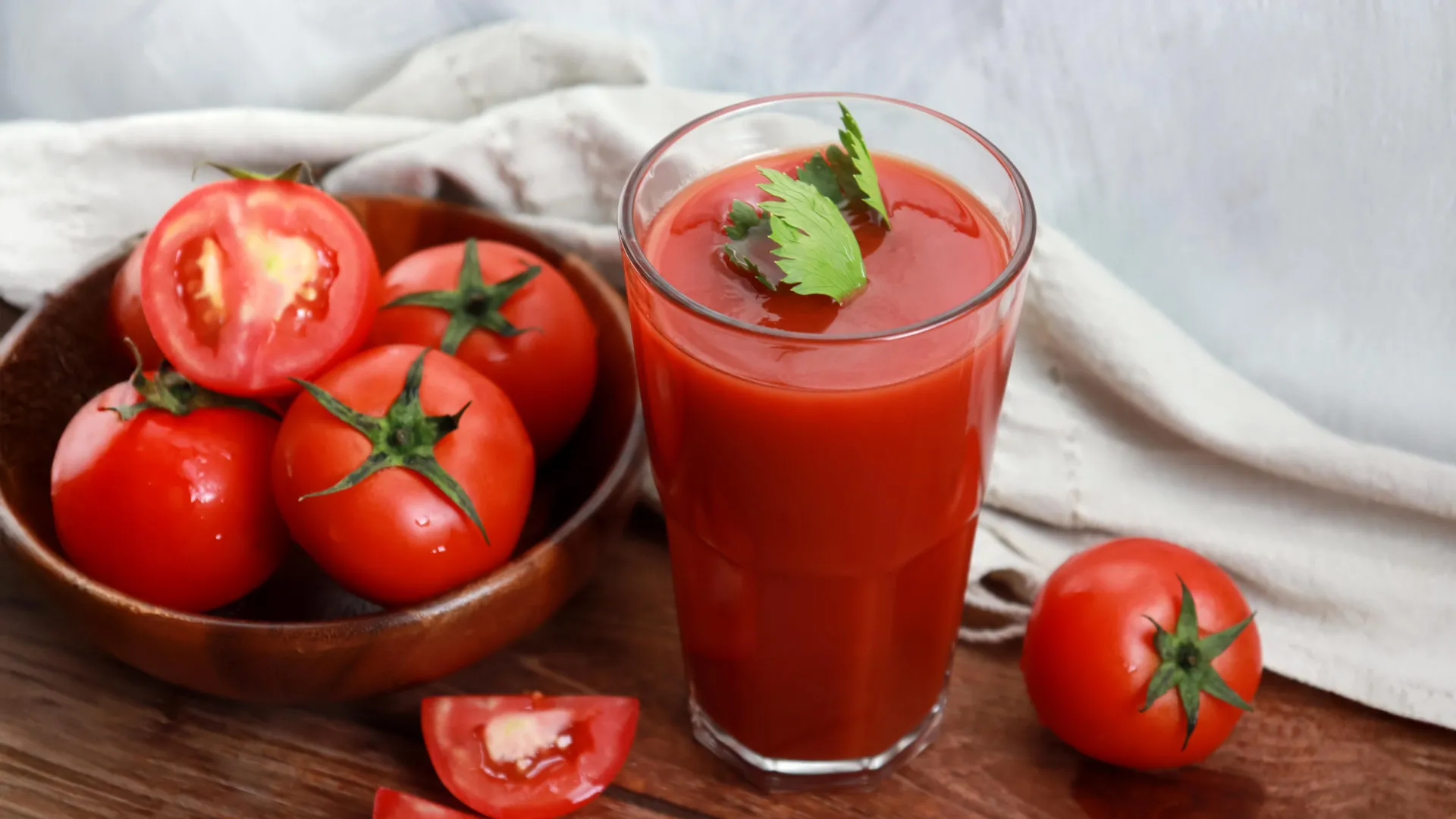
Researchers formulated a juice enriched with natural plant compounds—lycopene from tomatoes and isoflavones from soy—and tested it in 60 otherwise healthy adults with obesity (BMI 30-40 kg/m²), aged 25-55 years. Over 28 days, one group consumed 500 ml daily of this special juice, while a control group drank standard tomato juice with similar calorie and sodium content. The results were clear: only the formulated juice significantly reduced several key inflammatory proteins in the blood.

The researchers measured biomarkers such as high-sensitivity C-reactive protein (hs-CRP), interleukin-6 (IL-6), and tumor necrosis factor-alpha (TNF-α). After four weeks, the tomato-soy juice group showed an average 18% reduction in hs-CRP, 22% in IL-6, and 15% in TNF-α, all statistically significant (p < 0.01). The control group experienced no significant changes in any marker. This suggests the synergistic combination of lycopene and isoflavones amplifies anti-inflammatory effects beyond what each compound achieves alone, a finding supported by prior in vitro research showing inhibition of the NF-κB pathway.
“Four weeks of a specific tomato-soy juice reduced key inflammatory markers by up to 22% in adults with obesity, according to a controlled clinical study.”
Key Findings

- hs-CRP Reduction: The formulated juice lowered high-sensitivity C-reactive protein by 18%, a marker of systemic inflammation linked to cardiovascular disease and type 2 diabetes. Baseline hs-CRP averaged 3.2 mg/L, considered moderate risk.
- IL-6 Decrease: Interleukin-6, a pro-inflammatory cytokine associated with obesity and insulin resistance, dropped by 22%, from 4.1 pg/mL to 3.2 pg/mL.
- TNF-α Decline: Tumor necrosis factor-alpha, implicated in chronic inflammation and rheumatoid arthritis, fell by 15%, from 6.8 pg/mL to 5.8 pg/mL.
- Compound Synergy: The combination of lycopene (tomato) and isoflavones (soy) appears more effective than the compounds separately, according to the researchers. Prior studies suggest lycopene and genistein act at different points in the inflammatory cascade.
- Juice Specificity: Standard tomato juice produced no significant changes, highlighting the importance of precise formulation and the presence of isoflavones.
- Improved Lipid Profile: Additionally, the intervention group showed an 8% reduction in triglycerides and a 5% increase in HDL cholesterol, though these were not primary outcomes.

Why It Matters for Your Health
Low-grade chronic inflammation is a common denominator in obesity, insulin resistance, type 2 diabetes, cardiovascular disease, and accelerated aging. This study offers a simple, accessible, and cost-effective dietary intervention that could complement weight loss and longevity strategies. For biohackers and health enthusiasts, it represents an evidence-based protocol that targets the inflammatory root of metabolic decline.
The proposed mechanism involves modulation of inflammatory signaling pathways like NF-κB and reduction of oxidative stress. Lycopene, a carotenoid with high antioxidant capacity, and soy isoflavones (genistein and daidzein) act as natural antioxidants and anti-inflammatories, inhibiting reactive oxygen species production and pro-inflammatory cytokine expression. Additionally, soy compounds have shown protective effects in cellular and animal studies, including improved endothelial function. The advantage of this juice is its enhanced bioavailability due to specific processing (cooking tomatoes and homogenizing with soy protein), which facilitates lycopene absorption.
Potential benefits extend beyond inflammation. By reducing markers like IL-6 and CRP, it could improve insulin sensitivity, lipid profiles, and endothelial function. For those optimizing longevity, maintaining low inflammation levels is one of the most science-backed strategies, as chronic inflammation accelerates telomere shortening and DNA methylation associated with aging.
Your 4-Week Protocol
If you want to incorporate this finding into your routine, here are practical steps based on the study:
- 1Prepare the specific juice: Blend 300 g of ripe tomatoes (preferably cooked for 10 minutes to release lycopene) with 30 g of isolated soy protein or 200 ml of unsweetened soy milk. Add a pinch of turmeric (1/4 teaspoon) and black pepper (a pinch) to boost curcumin and lycopene absorption. Optional: add a teaspoon of extra virgin olive oil to improve carotenoid bioavailability.
- 2Consume 500 ml daily for 4 weeks: The study dose was half a liter per day, split into two 250 ml servings (morning and evening) to improve adherence and maintain stable plasma levels of bioactive compounds.
- 3Monitor your markers: Before and after the protocol, measure high-sensitivity CRP, IL-6, fasting glucose, insulin, and lipid profile. This will let you evaluate your individual response and adjust the protocol if needed.
- 4Combine with anti-inflammatory habits: The juice is a complement, not a substitute. Maintain a diet rich in leafy greens, omega-3s (fatty fish, chia seeds), soluble fiber, regular exercise (at least 150 minutes of moderate activity per week), and quality sleep (7-9 hours per night).
- 5Consider personalization: If you are sensitive to soy or have allergies, consult a healthcare professional before starting. You may substitute soy protein with pea protein, though results may differ.
What To Watch Next
The researchers plan a larger trial with 200 participants including people with metabolic syndrome and type 2 diabetes, as well as a normal-weight group to assess differential effects. They will also explore whether effects persist long-term (beyond 8 weeks) and if the formulation can be optimized with other compounds like curcumin, resveratrol, or omega-3 fatty acids. Preliminary results are expected by late 2027.
Additionally, it will be crucial to determine whether the juice can reduce inflammation in people without obesity but with chronic stress, aging, or autoimmune conditions. The longevity community will be watching for data on telomeres and DNA methylation that could be included in future analyses. The influence of the gut microbiome on individual response to the juice will also be investigated.
The Bottom Line
A specific tomato-soy juice, consumed for four weeks, significantly reduces key inflammatory markers in adults with obesity, according to a controlled clinical study. This nutritional protocol, backed by scientific evidence, offers a practical, accessible, food-based tool for combating chronic inflammation. Incorporating it into your routine could be a simple yet powerful step toward better metabolic health and longevity. The future of personalized nutrition lies in understanding which food combinations work best for each individual, and this study takes an important step in that direction.
:format(jpg):quality(99):watermark(f.elconfidencial.com/file/a73/f85/d17/a73f85d17f0b2300eddff0d114d4ab10.png,0,275,1)/f.elconfidencial.com/original/19a/0c6/1a1/19a0c61a1a5c1c4850bafab7a82f6748.jpg)
:format(jpg):quality(99):watermark(f.elconfidencial.com/file/a73/f85/d17/a73f85d17f0b2300eddff0d114d4ab10.png,0,275,1)/f.elconfidencial.com/original/8d4/d81/564/8d4d8156462a6c0f027c30699fb3ee3d.jpg)
