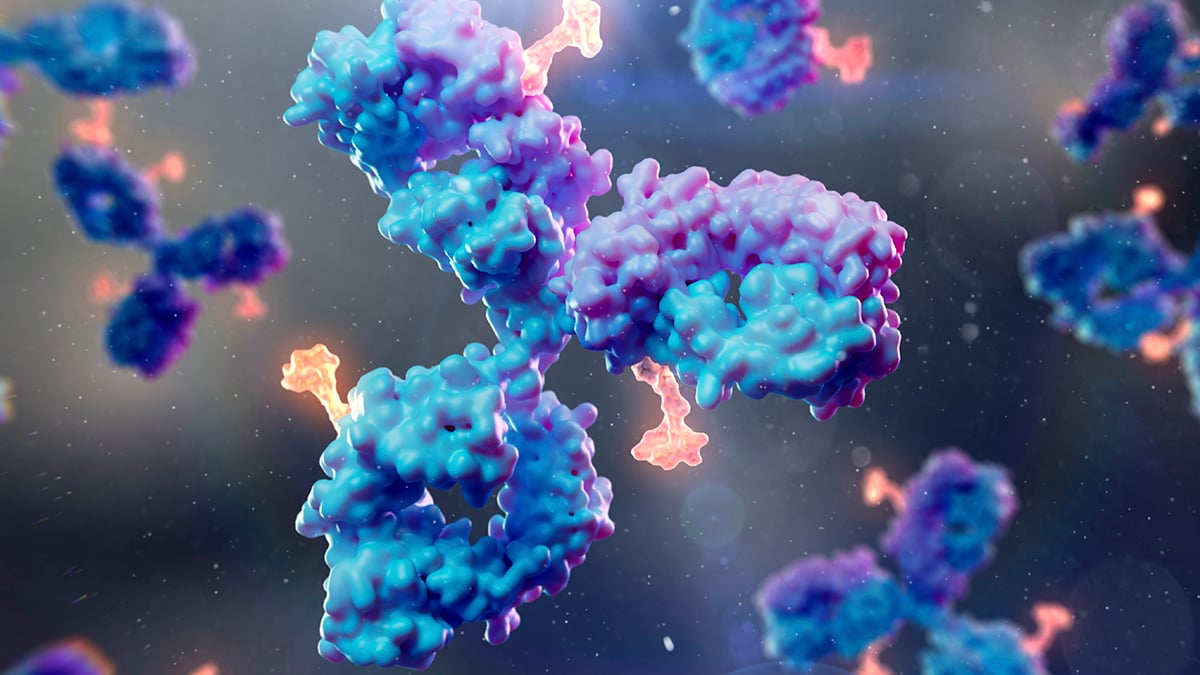
Your tattoo is more than skin art. It's an immune biohacking protocol you activated without realizing—a sophisticated biological process involving layered defensive responses that transform your skin into a living canvas of immunological activity. This intersection of body modification and human physiology represents one of the most fascinating interfaces between modern culture and evolutionary biology, where aesthetic expression meets cellular warfare.
The Science

When the tattoo needle pierces your skin at speeds reaching up to 3,000 punctures per minute, it doesn't just deposit ink into the dermis. It triggers a cascade of immunological events beginning within seconds and persisting for months. The mechanical trauma breaches epithelial barriers, releasing alarmins—danger molecules like HMGB1 and ATP—that alert your immune system to tissue injury. These initial signals recruit neutrophils, the first immune cells to arrive at the site, typically within the first hour.
Research published in journals like *Journal of Investigative Dermatology* reveals tattoos aren't passive events where ink simply "settles" into skin. Your immune system actively works for weeks to contain ink within specialized cells. Macrophages, derived from circulating monocytes, phagocytose pigment particles typically measuring 50-500 nanometers. What's fascinating is that these macrophages don't completely destroy the ink; instead, they encapsulate it within intracellular compartments called phagosomes, where it remains chemically stable but biologically isolated.
The process is so efficient that longitudinal studies show approximately 85-90% of people maintain their tattoos with visual clarity for decades without significant fading. This is due to a dynamic equilibrium: when ink-laden macrophages die (with a half-life of several weeks to months), newly recruited macrophages phagocytose the released particles, keeping pigment confined to the dermis. This ongoing cellular recycling is what sustains tattoo appearance long-term.
“A single moderate-sized tattoo (approximately 10x10 cm) activates your immune system for three full months, according to measurements of inflammatory markers in peripheral blood.”
Key Findings
- Activation duration: Systemic immune response, measured by elevated C-reactive protein (CRP) and interleukin-6 (IL-6) levels, continues for approximately 90 days post-tattoo, peaking in the first week and gradually declining thereafter.
- Specialized cells: Macrophages permanently encapsulate ink particles in structures called phagosomes, with cellular turnover rates maintaining pigment stably localized.
- Adaptive response: Each additional tattoo generates faster, more efficient immune response, with 15-25% reductions in initial swelling time and peak inflammatory levels in people with multiple previous tattoos.
- Individual variability: Exact ink composition (heavy metals vs. organic pigments) affects response intensity, with iron-based inks showing 30% higher inflammatory responses than organic alternatives.
- Immunological memory: Studies in animal models show repeated exposures to ink components can generate specific memory T cells, suggesting the adaptive system also participates.
Why It Matters
This research fundamentally changes how we understand the interaction between body modifications and immune health. For decades, tattoos were viewed primarily through aesthetic or infection-risk lenses, with emphasis on complications like hepatitis or bacterial infections. Now we know they represent a unique form of immune "training" occurring outside disease contexts, offering a window into how the body handles inert, non-biodegradable particles.
The mechanism is fascinating from an evolutionary perspective: your body treats ink particles as potential invaders similar to fungal spores or mineral dust particles, mounting a coordinated response involving both innate immunity (macrophages, neutrophils, complement system) and adaptive immunity (T and B lymphocytes). This prolonged activation—three full months—suggests tattoos might function as low-intensity chronic stimuli keeping your immune system in an elevated basal alert state, similar to how regular exercise maintains cardiovascular conditioning.
For biohackers, this represents a unique opportunity to modulate immune function through controlled interventions. The ability to induce localized, temporary inflammatory response without actual pathogens offers a model for studying immune resilience. Clinically, this has implications for people with autoimmune conditions (where additional activation could be problematic) and athletes (where post-tattoo inflammation might interfere with muscle recovery).
Your Protocol
If you have tattoos or are considering one, this research offers evidence-based practical guidance for optimizing immune health during the process. The key is understanding you're initiating a significant biological process requiring proper support, similar to preparing for minor surgery or an intense athletic event.
- 1Schedule tattoos strategically considering multiple factors. Ideally choose periods of low psychological and physical stress—avoid exam seasons, intense work deadlines, or athletic competitions. Consider timing: winter may offer advantages since limited sun exposure reduces photosensitivity risk, but coincides with flu seasons. If you're an athlete, schedule at least 4-6 weeks before major competitions to allow complete resolution of systemic inflammation.
- 2Optimize pre- and post-tattoo nutrition with scientific focus. Begin 72 hours before increasing zinc intake (15-30 mg/day from pumpkin seeds and meat), vitamin C (500-1000 mg/day from citrus and peppers), and omega-3 fatty acids (2-3 g/day from fatty fish or supplements) to modulate inflammatory response. Post-tattoo, maintain high protein intake (1.6-2.2 g/kg body weight) to support immune cell synthesis and collagen for healing. Incorporate turmeric (curcumin 500 mg twice daily) and ginger as natural anti-inflammatories.
- 3Monitor your recovery with objective and subjective parameters. Record local temperature (skin around tattoo is typically 1-2°C warmer for 5-7 days), swelling (should decrease noticeably after first week), and pain (should be manageable with basic analgesics). Watch for signs of excessive inflammation like fever >38°C, pus, or spreading red lines—these require medical evaluation. Consider simple blood tests at 2 and 6 weeks if accessible, monitoring CRP and white blood cell count.
- 4Implement specific recovery practices. Apply cold compresses during first 3 days (15 minutes every 2-3 hours) to reduce initial swelling. Keep the tattooed area elevated when possible. After acute phase (day 4-7), introduce gentle movement of the area to promote circulation without compromising healing. Avoid pools, saunas, and direct sun exposure for at least 3 weeks.
- 5Consider evidence-based complementary interventions. N-acetylcysteine supplementation (600 mg/day) may support macrophage function by increasing glutathione. Quality sleep (7-9 hours with at least 20% deep sleep) is crucial for inflammatory regulation—consider monitoring with wearables. Stress management through meditation or diaphragmatic breathing can modulate cortisol-inflammation response.
What To Watch Next
Researchers are systematically exploring how different ink compositions affect long-term immune responses. Ongoing studies at European universities are characterizing over 50 common pigments using mass spectrometry and exposing human immune cells in vitro to map specific cytokine profiles. Future research could identify formulations that maximize immune benefits (like sustained stimulation of anti-inflammatory M2 macrophages) while minimizing granuloma or allergic reaction risks.
Investigations are also examining whether tattoo location on the body affects response intensity, with hypotheses that areas with higher lymphatic vessel density (armpits, groin) might generate more systemic responses, while areas with lower vascularization (lower back, calves) might maintain inflammation more localized. Preliminary studies with infrared thermography show up to 40% differences in local temperature depending on location.
The next frontier is understanding how tattoos interact with other biohacking protocols in synergistic or antagonistic models. Pilot research is examining whether intermittent fasting (which mobilizes stem cells and modulates inflammation) combined with tattoos produces different recovery profiles. Similarly, systemic cold therapy (cryotherapy) post-tattoo is being studied for its potential to reduce excessive swelling while preserving beneficial immune response. These questions are guiding the next generation of applied immunology research, with initial results expected by 2027.
Another emerging area is studying tattoos as vehicles for intradermal delivery of bioactive compounds. Teams at institutions like MIT are developing "biosensor tattoos" with inks that change color in response to metabolites like glucose or lactate. This convergence of biotechnology and body art could transform tattoos from aesthetic modifications to personalized health monitoring tools.
The Bottom Line
Your tattoo is more than art—it's an ongoing immune experiment involving approximately 1.5 trillion immune cells interacting with millions of pigment particles. Understanding this biological dimension lets you make more informed decisions about body modifications and overall health, transforming a cultural process into a physiological optimization opportunity.
The three-month immune activation offers a unique window to support and potentially strengthen your defense system through targeted nutritional, stress management, and recovery interventions. For some individuals, this controlled stimulation could serve as immune "training" that enhances vigilance against actual pathogens; for others, particularly those with autoimmune predispositions, it requires caution and careful monitoring.
As science advances toward more granular understanding of ink-immunity interactions, we'll develop personalized protocols based on genotype, immune phenotype, and specific health goals. Your skin is already speaking immunology's language through the cellular dance that keeps your art visible—you just need to learn how to listen and intervene strategically to turn personal expression into biological advantage.

%3Aformat(jpg)%3Aquality(99)%3Awatermark(f.elconfidencial.com%2Ffile%2Fa73%2Ff85%2Fd17%2Fa73f85d17f0b2300eddff0d114d4ab10.png%2C0%2C275%2C1)%2Ff.elconfidencial.com%2Foriginal%2F246%2Fe04%2Ffb0%2F246e04fb0836408fb782a1b6706e2fdf.jpg&w=1920&q=75)
%3Aformat(jpg)%3Aquality(99)%3Awatermark(f.elconfidencial.com%2Ffile%2Fa73%2Ff85%2Fd17%2Fa73f85d17f0b2300eddff0d114d4ab10.png%2C0%2C275%2C1)%2Ff.elconfidencial.com%2Foriginal%2Fb7d%2F354%2F105%2Fb7d3541054d5dbab1da5820c56567a56.jpg&w=1920&q=75)