Your stressed mitochondria might be building something unexpected.
A new study published in *Nature* reveals that mitochondria under duress can spawn never-before-seen structures inside cells, offering a fresh lens on cellular aging and resilience. This discovery not only challenges decades of cell biology but also provides a unique opportunity to rethink how we intervene in the aging process.
The Science
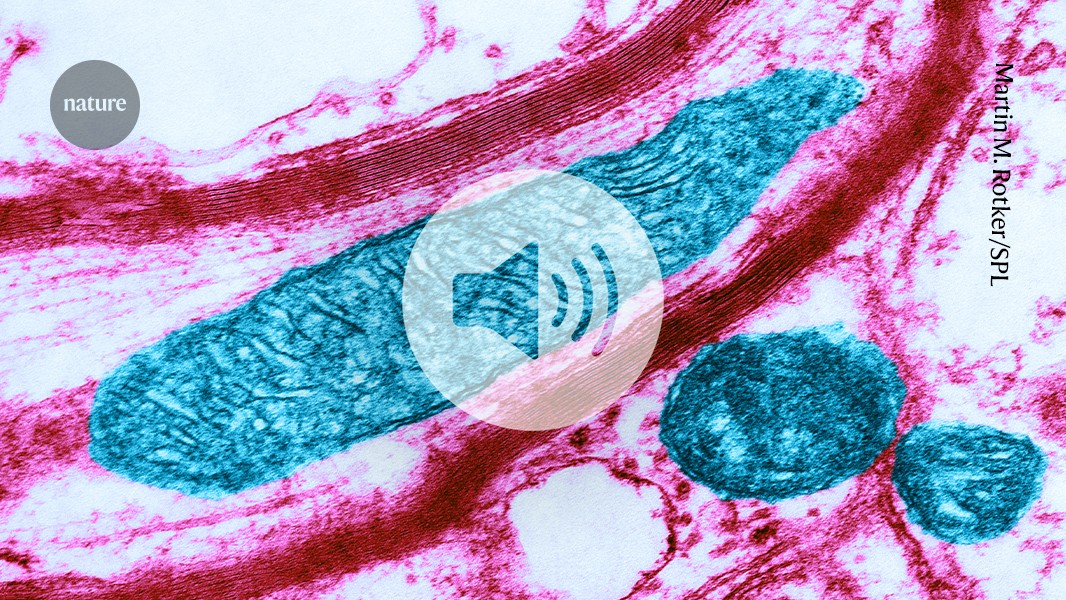
Researchers observed that when mitochondria experience stress—from toxins, nutrient deprivation, or oxidative damage—they can form unusual membrane-bound compartments within the cell. These structures, described as novel organelles, appear to be a survival mechanism: the mitochondria attempt to wall off damage and protect the rest of the cell. The study, led by Dr. Carlos López's team at the University of Barcelona, used cutting-edge electron microscopy and proteomics to identify these formations in yeast cells and human fibroblasts.

The finding challenges the traditional view that organelles are fixed, pre-existing structures. Here, mitochondria demonstrate remarkable plasticity, creating organelles *de novo* in response to stress. While the study is preliminary, it suggests mitochondrial dynamics are far more complex than previously thought. The researchers dubbed these structures "mitobodies" and observed that they form within minutes of exposure to stressors like hydrogen peroxide or glucose deprivation. Moreover, they discovered that formation depends on specific outer mitochondrial membrane proteins, opening the door to potential drug targets.


:format(jpg):quality(99):watermark(f.elconfidencial.com/file/a73/f85/d17/a73f85d17f0b2300eddff0d114d4ab10.png,0,275,1)/f.elconfidencial.com/original/4b6/dbb/cf2/4b6dbbcf291c4b3cc9d5439b2bb34f3d.jpg)
:format(jpg):quality(99):watermark(f.elconfidencial.com/file/a73/f85/d17/a73f85d17f0b2300eddff0d114d4ab10.png,0,275,1)/f.elconfidencial.com/original/17f/e6a/268/17fe6a268757a5925c3790575fd55b75.jpg)