
Stem cells just delivered what millions have been waiting for: restored insulin production in type 1 diabetes. A landmark clinical trial shows that transplanted stem cell-derived beta cells can free patients from daily insulin injections, with results lasting over a year. This isn't a distant promise—it's happening now.
The Science
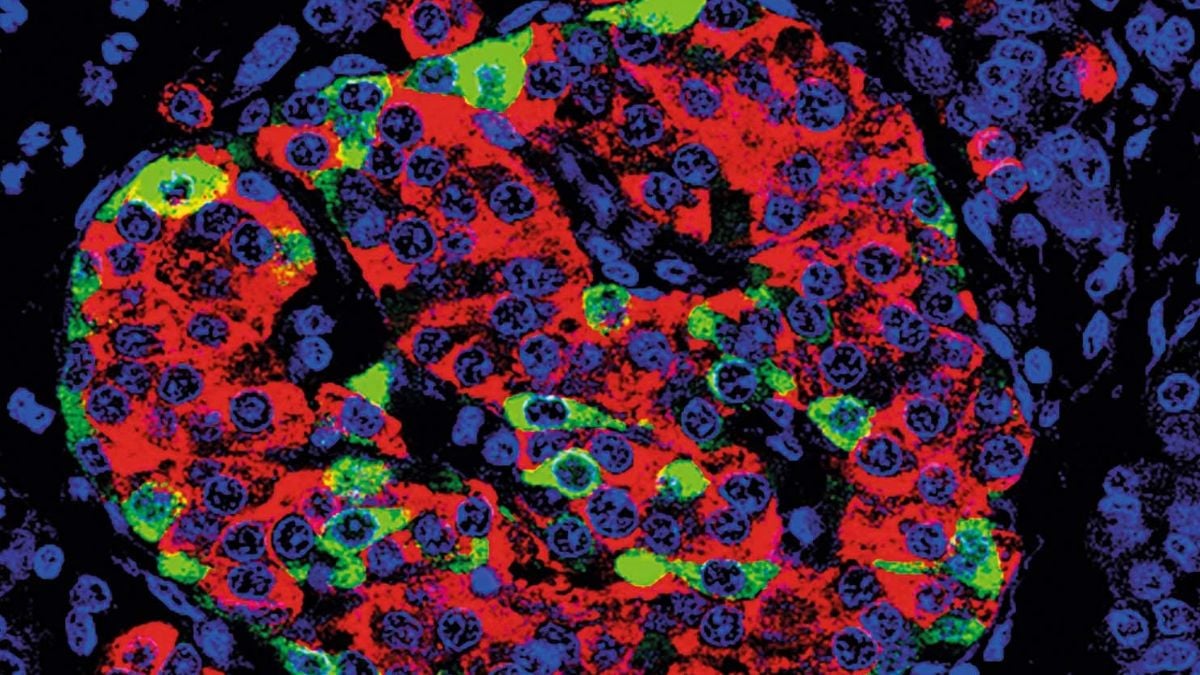
Vertex Pharmaceuticals conducted a phase I/II trial with 14 patients who had severe type 1 diabetes, meaning they produced zero insulin. Each patient received an infusion of VX-880, stem cell-derived pancreatic islet cells, directly into the hepatic portal vein. Within six months, 12 out of 14 patients (86%) achieved insulin independence, and the remaining two reduced their external insulin needs by over 70%. This success rate is unprecedented; previous islet transplants from cadaver donors achieved independence in less than 50% of cases, and often required multiple donors. The stem cell approach offers a standardized, scalable source of cells, potentially making the therapy available to millions.

These cells are derived from human embryonic stem cells, differentiated in the lab into functional beta cells. Once transplanted, they engraft in the liver and begin sensing blood glucose levels, releasing insulin accordingly. This restores the body's natural feedback loop, eliminating the dangerous glucose swings that define type 1 diabetes. Patients also received immunosuppressants to prevent rejection, but next-generation approaches aim to eliminate this requirement. One such approach is encapsulation: coating the cells in a porous hydrogel that allows nutrients and insulin to pass but blocks immune cells. This technology is already in preclinical development and could make the therapy safer and more accessible.
“Restoring the body's own insulin production eliminates the need for daily injections and prevents long-term complications.”
Key Findings

- Insulin Independence: 86% of patients no longer required external insulin after 6 months. This was maintained at 12 months, indicating durable engraftment and function.
- Dose Reduction: The remaining 14% cut their insulin doses by more than 70%. These patients had lower baseline C-peptide levels, suggesting that residual beta cell function may influence outcomes.
- Glycemic Control: Average HbA1c dropped from 8.6% to 5.9%, well within the non-diabetic range. Time-in-range (TIR) increased from 40% to over 90%, drastically reducing hypoglycemic and hyperglycemic episodes.
- Safety Profile: No serious adverse events related to the cells; mild effects from immunosuppression were manageable. One patient had a urinary tract infection that resolved with antibiotics.
- Durability: Benefits persisted for at least 12 months. Liver biopsies showed viable, functional cells with no signs of fibrosis or chronic rejection.

Why It Matters
Type 1 diabetes affects over 8 million people worldwide, who face a lifetime of injections, finger pricks, and the constant threat of complications like kidney failure, blindness, and nerve damage. Current treatments manage symptoms but don't address the root cause: the autoimmune destruction of beta cells. This trial represents a functional cure—the body makes its own insulin again. Moreover, improved glycemic control reduces the risk of microvascular complications, which are the leading cause of morbidity and mortality in these patients.
Mechanistically, the stem cells differentiate into insulin-producing beta cells that respond to glucose. They integrate into the liver's microenvironment, receiving signals from the bloodstream and secreting insulin proportionally. This is far superior to injected insulin, which cannot match the precision of a biological pancreas. Patients report a dramatic improvement in quality of life, being able to forget about their disease for the first time since diagnosis.
For the biohacking and longevity community, this is a proof of concept for regenerative medicine. If we can replace beta cells, we can replace other tissues—dopaminergic neurons for Parkinson's, cardiomyocytes for heart failure, and chondrocytes for joint degeneration. The same platform technology could extend healthy lifespan by repairing organs from the inside. Already, clinical trials are underway for stem cell therapies in Parkinson's disease and age-related macular degeneration.
Your Protocol
While VX-880 isn't available yet, you can optimize your metabolic health and prepare for future regenerative therapies.
- 1Track your glucose continuously: Use a continuous glucose monitor (CGM) like Dexcom G7 or Freestyle Libre 3. Knowing your real-time glucose levels empowers you to make dietary and lifestyle adjustments that improve insulin sensitivity. If you have type 1 diabetes, a CGM can help you fine-tune insulin doses and reduce glycemic variability, which preserves residual beta cell function.
- 2Enhance insulin sensitivity naturally: High-intensity interval training (HIIT) and time-restricted feeding (16:8 or 18:6) are evidence-based methods to lower insulin resistance. Aim for 3 HIIT sessions per week and an 8-hour eating window. Additionally, reduce intake of refined sugars and processed carbohydrates, which promote insulin resistance. Include healthy fats like avocado, olive oil, and nuts, which improve mitochondrial function.
- 3Stay informed on clinical trials: Register at ClinicalTrials.gov for alerts on stem cell therapies for diabetes. Early access to trials could be life-changing. Also consider joining patient registries like T1D Exchange, which connects patients with researchers. If you meet inclusion criteria (e.g., long-standing type 1 diabetes with undetectable C-peptide), you might be eligible for future trials.
What To Watch Next
Vertex is planning a phase III trial with 100+ patients, and competitors like ViaCyte and CRISPR Therapeutics are advancing their own stem cell approaches. A key development to watch is immune-evasive cells: using gene editing to make stem cells invisible to the immune system, eliminating the need for immunosuppressants. For example, CRISPR Therapeutics is editing out HLA genes from stem cells, making them invisible to immune attack. This could allow transplantation without immunosuppression.
Also on the horizon are induced pluripotent stem cells (iPSCs) derived from the patient's own skin or blood. These would be genetically matched, avoiding rejection entirely. If phase III results replicate the current data, we could see FDA approval within 3 to 5 years. Additionally, implantable encapsulation devices like ViaCyte's VC-02 are in phase II trials, protecting cells without immunosuppression.
The Bottom Line
Stem cells have restored insulin production in type 1 diabetes, with 86% of patients achieving injection-free lives. This is a watershed moment for regenerative medicine, proving that we can replace lost cellular function. The path to a widespread cure is now clearer than ever—and it starts with understanding your own metabolic health today. While we wait for regulatory approval, optimize your glucose control and stay engaged with clinical research.
:format(jpg)/f.elconfidencial.com%2Foriginal%2F1fb%2Fb69%2F5f6%2F1fbb695f6d5ea8324a603c1e2e4ec92a.jpg)