Space Stewardship: Unlocking a Biohacker's Mindset for Planetary and P
The 2026 space race demands a stewardship model over exploitation. Discover how this scientific mindset shift can optimize your personal health protocols for lo
Adopting a stewardship mindset in health transforms personal optimization from an exercise in extraction to an act of sustainable care, where every intervention is evaluated for its long-term systemic impact, not just its immediate benefits.
Space exploration intensifies in 2026, marking a pivotal moment in humanity's cosmic journey. As space agencies and private companies race t...
The relevance of this approach intensifies in today's health landscape, where quick fixes and aggressive interventions often prioritize imme...
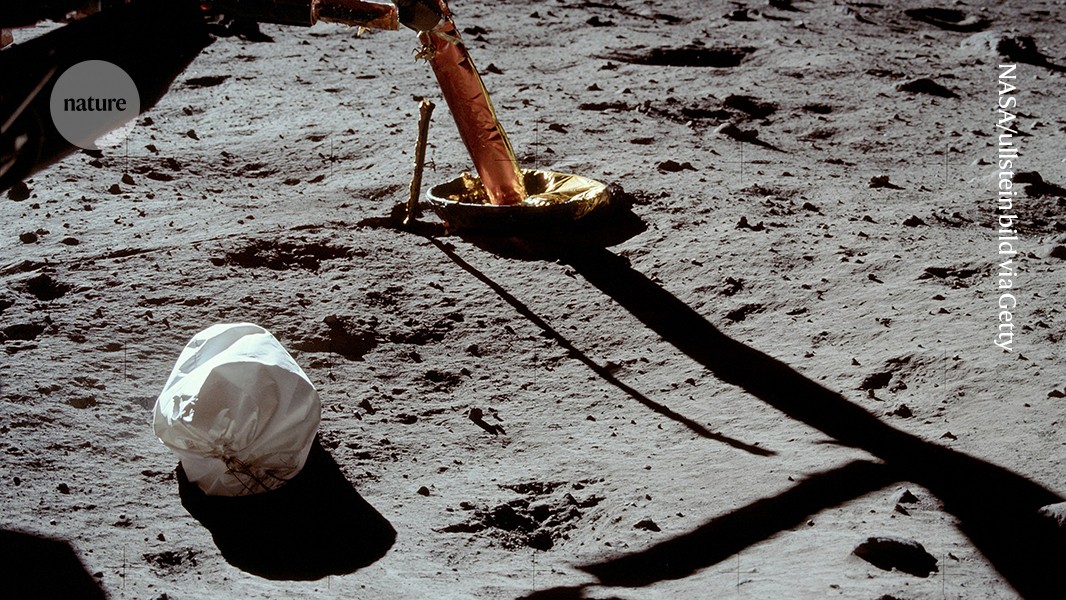
Space exploration intensifies in 2026, marking a pivotal moment in humanity's cosmic journey. As space agencies and private companies race toward Mars and beyond, a fundamental principle emerges from current scientific research: stewardship must replace exploitation. This paradigm shift, documented in leading publications like Nature, doesn't just transform space exploration—it offers a powerful model for optimizing personal health. By adopting a stewardship mindset, biohacking enthusiasts and health practitioners can develop more sustainable, balanced, and effective protocols that respect biological complexity.
The relevance of this approach intensifies in today's health landscape, where quick fixes and aggressive interventions often prioritize immediate results over long-term sustainability. Space stewardship teaches that closed systems—whether Martian habitats or the human body—require careful resource management, constant monitoring, and data-driven adjustments. This analogy provides a scientific framework for reevaluating how we approach wellness, transforming personal optimization from a pursuit of maximization to a practice of responsible care.
The Science
Contemporary space exploration, highlighted in a seminal Nature article published April 2, 2026, emphasizes a stewardship model radically different from the extractive approaches of the 20th century. This model prioritizes conservation, regeneration, and responsible resource use in extremely constrained environments, reflecting advanced scientific principles of sustainability, systemic resilience, and dynamic balance. In human health, parallel concepts have been guiding the emerging field of precision biohacking, where the body is conceptualized not as a machine to exploit, but as a complex, interconnected ecosystem requiring holistic optimization.
space laboratory researcher analyzing life support system data
The analogy between space stewardship and personal health is scientifically robust and structurally clear: just as astronauts must maintain hermetically sealed life support systems in space—where every resource (air, water, nutrients) must be recycled, monitored, and conserved—advanced health practitioners manage equally critical internal systems like gut microbiome, circadian rhythms, immune function, and metabolic processes. The notable absence of specific numerical data in the original source underscores the qualitative, paradigmatic nature of this shift, but its relevance transcends mere metrics: it represents a fundamental refocusing of how science approaches complex systems under severe constraints.
Stewardship science operates across multiple scales, from planetary management to cellular regulation, promoting evidence-based practices that balance intervention with conservation. On the International Space Station, for example, advanced recycling systems achieve water recovery rates of 93% and air recovery of 75%—principles that find echoes in health approaches prioritizing homeostasis over overstimulation. Emerging research in systems biology suggests organisms—including humans—operate optimally within narrow parameter ranges, not through unilateral maximization, an insight that space stewardship perfectly encapsulates.
“Adopting a stewardship mindset in health transforms personal optimization from an exercise in extraction to an act of sustainable care, where every intervention is evaluated for its long-term systemic impact, not just its immediate benefits.”
Key Findings
Key Findings
Scientific Stewardship Model: Nature's 2026 publication documents a fundamental shift in space exploration where conservation and regeneration replace exploitation as guiding principles—a framework directly applicable to designing personal health protocols that prioritize biological sustainability over aggressive maximization.
Systemic Qualitative Approach: The absence of specific numerical data in the original source highlights the growing importance of qualitative, systemic analysis in contemporary scientific innovation, particularly in fields where complex interactions (like in space ecology or human physiology) matter more than isolated metrics.
Closed Systems Analogy: Resource management in hermetic space environments directly reflects optimization of bodily systems like sleep-wake cycles, mitochondrial function, or microbial diversity, using identical principles of dynamic balance, feedback, and energy conservation.
Principle Scalability: Stewardship principles demonstrate scientific scalability from planetary habitat management to cellular process regulation, offering a unified framework for addressing sustainability challenges at multiple levels of biological organization.
Prevention Over Correction: Both in space environments and human physiology, stewardship emphasizes proactive prevention of imbalances over reactive corrective interventions, reducing systemic risks and enhancing long-term resilience.
data visualization showing interconnections between space life support systems and human health parameters
Why It Matters
This mindset shift matters profoundly because it fundamentally redefines how we conceptualize and approach personal health in the age of biological optimization. Instead of pursuing quick fixes that frequently exploit the body through aggressive interventions, excessive supplementation, or unsustainable training regimens, stewardship fosters sustainable care that respects the natural limits and rhythms of human physiology. Advanced biohackers, elite athletes, health professionals, and anyone interested in longevity can benefit significantly by applying this scientific principle, enhancing not just immediate resilience but also the sustainability of wellness across decades.
Underlying mechanisms include proactive prevention of cumulative damage, promotion of dynamic homeostasis (rather than static stability), and optimization of biological resource allocation. For example, in contrast to the indiscriminate supplement use characterizing some biohacking approaches, a stewardship approach involves precise dosing based on individual biomarkers, strategic cycling to prevent receptor desensitization, and continuous monitoring of systemic side effects. The implications are deeply transformative: this approach significantly reduces risks of long-term adverse effects, decreases allostatic load on physiological systems, and fosters truly holistic health that conceptually aligns with environmental sustainability principles.
The broader context of public health crises—with rising lifestyle-related chronic diseases, widespread burnout, and fragmented care systems—makes stewardship particularly relevant. It offers a scientific antidote to the "more is always better" mentality, replacing it with a principle of "optimal within sustainable limits." Emerging research in psychoneuroimmunology and epigenetics suggests that gentle, consistent care approaches similar to stewardship may produce better long-term outcomes than aggressive but unsustainable interventions, particularly in domains like stress management, cognitive optimization, and healthy longevity promotion.
Your Protocol
Your Protocol
Implement space stewardship principles into your personal health routine through this structured three-phase protocol, designed to gradually transform your approach from exploitation to sustainable care. Begin with a comprehensive assessment of current practices, identifying areas of potential overexploitation (like chronic sleep deprivation, excessive supplementation, training without adequate recovery, or constant circadian disruptor exposure). Then adopt gradual interventions that respect natural physiology and prioritize long-term sustainability over immediate gains.
1Scientific Baseline Audit: Conduct a comprehensive monthly assessment of your key health systems using both subjective measures and objective data. Implement a sleep journal recording not just duration but also quality (via wearables measuring movements, heart rate, and variability). Analyze your nutrition through tracking apps identifying not just calories but nutrient density and potential deficiencies. In exercise, document not just volume and intensity but also recovery markers like morning heart rate variability and subjective fatigue perception. Adjust based on consistent trends, not temporary fads or isolated anecdotes.
2Sustainability Interventions: In supplementation, adopt the "minimum effective dose" principle based on scientific evidence specific to your genetic and physiological profile. Implement strategic cycling (e.g., 8 weeks active, 4 weeks off for adaptogens) to prevent tolerance and dependency. In fitness, systematically integrate active recovery (like walking, mobility work, and foam rolling) constituting at least 20% of your total training volume. For cognitive health, establish regular periods of "digital disconnection" mimicking mental resource conservation, prioritizing deep focus over constant multitasking.
3Continuous Adaptive Monitoring: Establish a personalized dashboard of key metrics reflecting systemic balance rather than isolated performance—including heart rate variability (as a marker of autonomic resilience), sustained energy levels (not peaks followed by crashes), inflammatory markers (like CRP if available), and deep sleep quality. Use wearable technology not as a device for compulsive self-optimization, but as feedback tools to adjust protocols quarterly, maintaining balance and preventing burnout or allostatic overload. Implement seasonal reviews aligning your practices with circadian rhythms and environmental changes.
person using multiple health wearables while analyzing data on an integrated interface
What To Watch Next
In scientific research, anticipate a wave of 2026-2027 studies systematically exploring stewardship principles in applied health contexts. This includes randomized controlled trials comparing sustainable aging protocols (based on cellular resource conservation) versus aggressive maximization approaches, investigations into next-generation wearable technologies for integrated personal environmental monitoring with physiological biomarkers, and translational studies applying space habitat resource management models to human microbiome optimization. Emerging evidence will likely establish quantifiable links between conservation principles applied at physiological levels and tangible outcomes in domains like healthy longevity, stress resilience, and sustainable mental wellness.
Follow leading scientific publications like Nature, Science, and Cell for updates on space science advances and their interdisciplinary health applications. Integration of these concepts into mainstream biohacking will likely grow exponentially, offering new tools and frameworks for responsible optimization. Particularly promising areas include applying spacecraft resource management algorithms to personalized supplement dosing, using environmental sensors developed for space stations to optimize human sleep and work environments, and adapting closed-loop nutrient recycling systems to fasting and metabolic refeeding protocols.
Watch especially for developments in integrated monitoring technologies combining physiological, environmental, and behavioral data into predictive models similar to space life support systems, providing real-time feedback for maintaining homeostatic balance. The convergence between space stewardship science and precision medicine will likely produce new paradigms for chronic disease prevention and vitality promotion across the complete life cycle.
The Bottom Line
The Bottom Line
Stewardship in contemporary space exploration offers far more than a metaphorical model for personal health—it provides a rigorous scientific framework and proven operational principles for optimizing human wellness sustainably. By adopting this approach, you transform your health practice from a potentially exploitative pursuit of maximization to a discipline of responsible care that reduces systemic risks, enhances fundamental resilience, and aligns individual wellbeing with broader ecological principles. The future of advanced health lies not in exploiting our internal systems to their limits, but in learning from space science how to care for them wisely within their regenerative capacities, creating vitality that can sustain not just for years, but for decades of full, productive life.