
Space exploration is pushing human physiological boundaries, transforming protocols designed for astronauts into accessible strategies for Earth-based performance and longevity optimization. This field, known as space biohacking, leverages extreme conditions as natural laboratories to study physiological processes that, in terrestrial environments, evolve over decades. The Artemis II mission, with its 400,000-kilometer milestone, not only marks an advance in lunar exploration but also accelerates the transfer of technologies and insights that directly benefit terrestrial health. As space agencies and private companies collaborate on long-duration missions, the data generated is driving innovations in wearables, nutrition, and training, creating a bridge between space science and everyday wellness.
The Science
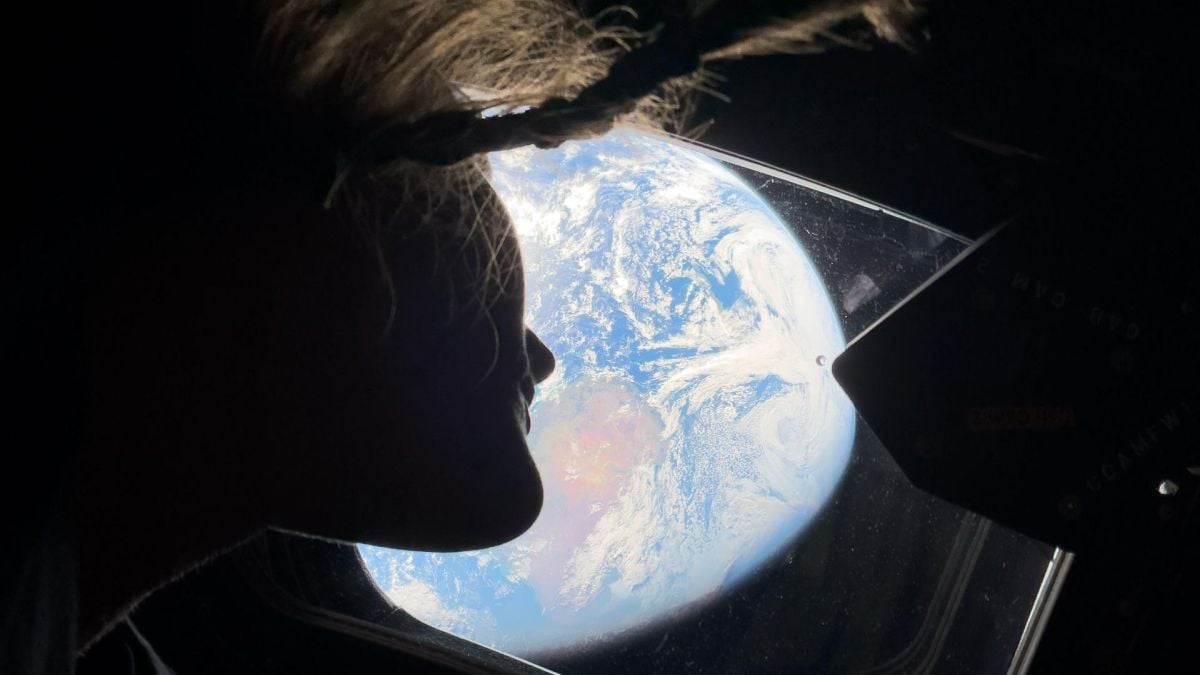
Space research has served for decades as a unique laboratory for studying human physiology under extreme conditions of microgravity, cosmic radiation, and psychological isolation. When astronauts travel beyond low Earth orbit, they face challenges that accelerate aging and deterioration processes, such as bone density loss (approximately 1-2% per month in space versus 1-2% per decade on Earth) and muscle atrophy (up to 20% in six-month missions). These extreme stress environments provide valuable data about how the human body responds to conditions we cannot replicate in terrestrial laboratories, offering insights into mechanisms of cellular repair, metabolic adaptation, and cognitive resilience.
Artemis II represents a significant milestone because it took humans to a record distance from Earth, creating conditions of prolonged microgravity, extreme isolation, and cosmic radiation exposure. These conditions function as a temporal accelerator for studying biological processes that normally evolve slowly. For instance, radiation effects on DNA, which on Earth might take years to manifest, are observed in weeks in space, allowing researchers to develop more effective countermeasures. Recent NASA studies indicate that microgravity can alter gene expression related to inflammation and oxidative stress, processes linked to accelerated aging. This provides a unique opportunity to test interventions, such as antioxidant supplements or exercise protocols, that could slow these processes in terrestrial populations.
“Space research functions as a temporal accelerator for biological processes, revealing in weeks what would normally take years to manifest, thereby speeding the development of preventive health protocols for Earth.”
Key Findings
- Record distance: Artemis II took humans 400,000 kilometers from Earth, establishing a new historical maximum for human exploration and providing unique data on physiology in prolonged radiation and isolation environments.
- Accelerated laboratory: Extreme space conditions compress biological processes that normally take decades, such as bone and muscle loss, enabling real-time studies of aging and adaptation with implications for anti-aging therapies.
- Technology transfer: Monitoring systems developed for astronauts, like heart rate variability sensors and sleep-tracking devices, are being adapted for terrestrial preventive health use, with wearables now integrating multiple biomarkers.
- Validated protocols: Countermeasures developed to mitigate microgravity and radiation effects, including resistance exercise regimens and supplementation with vitamin D and calcium, offer applicable strategies for health optimization in terrestrial populations, especially older adults.
Why It Matters
Space research is generating protocols that transcend extraterrestrial exploration, directly impacting public health and personal biohacking. The continuous monitoring systems developed for astronauts, which track physiological markers in real time such as heart rate variability (an indicator of stress and recovery), are being adapted for terrestrial wearable devices. This technology transfer means we'll soon have access to biofeedback tools that were previously only available in specialized medical settings or space programs, democratizing access to personalized health data. For example, devices like smart rings and skin patches now incorporate NASA-derived technology to monitor sleep and activity, allowing users to adjust their routines based on physiological evidence.
Studies on how to counteract microgravity effects on bone density and muscle mass are informing new approaches to skeletal and muscular health maintenance in terrestrial populations. The strategies developed for astronauts, combining specific exercise (such as resistance training and whole-body vibrations), nutritional interventions (protein and mineral supplements), and supplementation protocols, offer models for preventing age-related sarcopenia and osteoporosis. Emerging research, such as from NASA's Human Research Program, suggests these protocols could reduce bone loss by 50% compared to traditional methods. This research provides a framework for evidence-based longevity protocols that can be implemented decades before typical aging-related issues manifest, promoting healthy aging.
Your Protocol
Space research offers practical lessons for optimizing terrestrial health, prioritizing proactive prevention over reactive intervention. The protocols developed to maintain physiological function under extreme conditions can be adapted to enhance performance and resilience in daily life, using physiological data to guide personalized decisions. Below is an evidence-based protocol derived from space studies, designed for implementation in everyday routines.
- 1Implement continuous physiological monitoring using wearables that track heart rate variability (HRV), body temperature, and sleep patterns. This data provides insights into your recovery and stress status, enabling real-time adjustments to your training and rest routines. For instance, low HRV may indicate a need for more sleep or reduced exercise, while disruptive sleep patterns could signal chronic stress.
- 2Incorporate bone-loading and muscle-preservation protocols inspired by space countermeasures. Combine resistance training (such as weightlifting or elastic bands) with controlled impact exercises (like jumping or running) to maintain bone density, complemented by strategic whole-body vibration exposure when appropriate, following safety guidelines to prevent injury.
- 3Develop stress resilience strategies based on astronaut psychological preparation protocols. This includes emotional regulation techniques (such as diaphragmatic breathing), mindfulness training (daily 10-15 minute meditation), and gradual exposure to challenging conditions to build stress tolerance, improving adaptability in changing environments.
What To Watch Next
Space research will continue generating valuable insights for terrestrial health, with ongoing studies exploring advanced interventions. Upcoming studies, such as those planned for the Artemis III mission and lunar stations, will focus on how different nutritional interventions (ketogenic diets or intermittent fasting) and supplementation (such as compounds that mitigate radiation) affect physiological resilience under extreme conditions. These protocols developed for long-duration missions will provide models for health maintenance strategies that can be implemented over decades in terrestrial populations, offering solutions for the aging global population.
The convergence of space and terrestrial technologies will accelerate the development of accessible biohacking tools. Expect more sophisticated wearables integrating multiple biomarkers (like blood glucose and inflammatory markers), real-time feedback systems guiding personalized interventions (such as sleep adjustments based on data), and validated protocols that transcend the space-Earth dichotomy. This knowledge transfer will create new opportunities for evidence-based health optimization, with implications for preventive medicine and personalized wellness.
The Bottom Line
Space exploration is generating health protocols that directly benefit Earth-based biohackers, demonstrating how science from extreme environments can transform everyday healthcare. The monitoring systems developed for astronauts, strategies for maintaining physiological integrity under extreme conditions, and approaches to building resilience offer practical models for health optimization. By adapting these space lessons, we can develop more effective routines for maintaining physical and cognitive function throughout life, reducing the risk of aging-related diseases.
Space research will continue providing a unique laboratory for studying human physiology under extreme stress, accelerating the development of protocols that enhance both longevity and quality of life. This knowledge transfer between space and Earth represents a unique opportunity to advance human health optimization, using extreme conditions as a catalyst for innovations that benefit everyone, from elite athletes to individuals seeking healthy aging. As space missions expand, expect more collaborations between space agencies and the health industry, driving advances that will make space biohacking an integral part of the future of wellness.


