
A single DNA tweak can rewrite fundamental biology. This sex determination research reveals how small adjustments in our genetic regulation could transform future optimization protocols, challenging our traditional understanding of how sex is determined and opening new pathways for epigenetic modulation in humans.
The Science
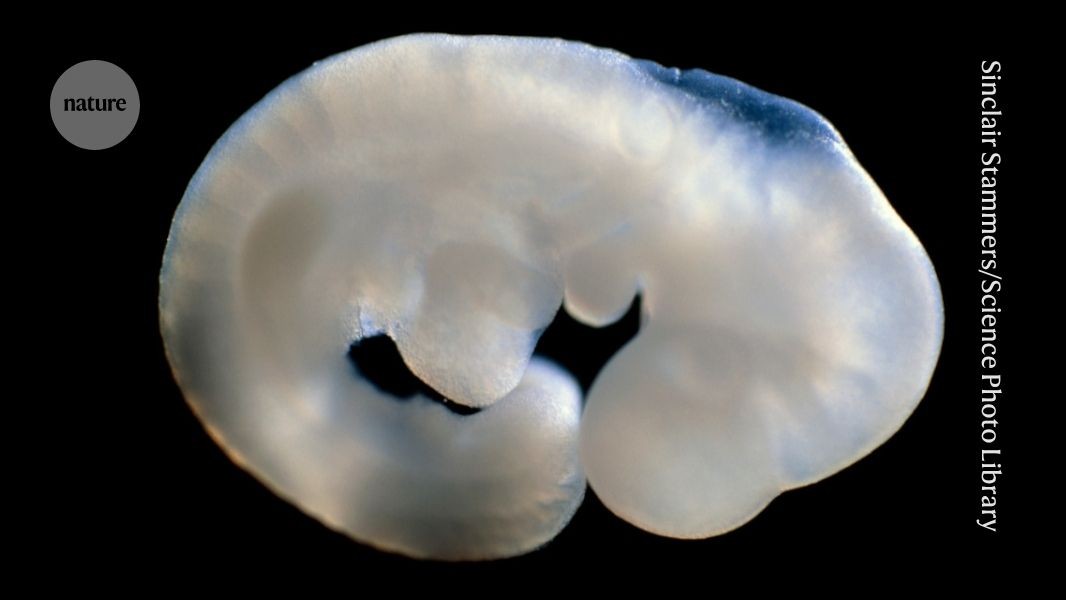
The Nature study demonstrates that modifications in non-coding regions of the genome play a crucial role in sex determination. These areas, representing approximately 98% of the human genome and not producing proteins directly, act as master switches controlling when and how sex-related development genes are expressed. The research shows our understanding of genetics is evolving beyond simple protein-coding sequences toward a more complex landscape of epigenetic regulation, where information contained in these "dark" regions of DNA proves fundamental for complex biological processes.

Researchers discovered that small changes in these regulatory regions can activate or deactivate entire developmental programs. In mice, one specific adjustment in a non-coding region near the Sry gene (testis-determining gene on the Y chromosome) was sufficient to redirect embryonic development toward male characteristics, even in genetically female (XX) individuals. This finding profoundly challenges the traditional view that sex is determined solely by X and Y chromosomes, revealing additional layers of regulatory control that could apply to other aspects of human development. The study used CRISPR-Cas9 gene editing techniques to make precise modifications in these regions, demonstrating these aren't random mutations but specific changes that alter the three-dimensional architecture of DNA and its interaction with transcription factors.




:format(jpg):quality(99):watermark(f.elconfidencial.com/file/a73/f85/d17/a73f85d17f0b2300eddff0d114d4ab10.png,0,275,1)/f.elconfidencial.com/original/3a0/35c/367/3a035c367f7f7619c384f62a393bc7a9.jpg)