A piece of sea cucumber tissue refuses to die. Amputated from its body, it stayed alive for seven months. This challenges fundamental biology and opens a radical new frontier in longevity science.
The Science
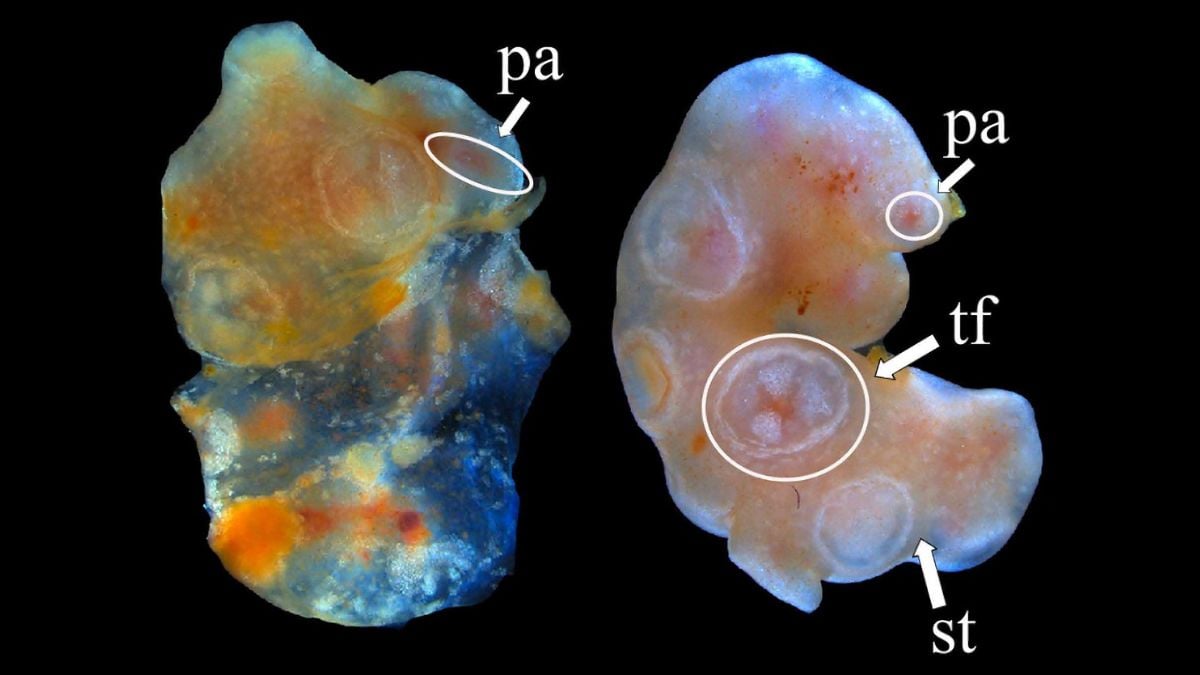
Researchers at the Institute of Oceanology, Chinese Academy of Sciences, observed that fragments of the sea cucumber *Apostichopus japonicus* not only survive dismemberment but continue to function as living tissue. In lab conditions, the isolated tissue maintained metabolic activity for seven months without connection to the animal's central nervous system or circulatory system. This phenomenon, termed 'tissue persistence,' goes beyond regeneration. While many species regrow limbs, here the amputated tissue doesn't form a new individual—it enters a state of cellular 'non-death.' The scientists detected gene expression related to DNA repair and suppression of apoptosis (programmed cell death), suggesting the cells enter a state of active dormancy.

The study, published in *Scientific Reports* in March 2026, analyzed body wall tissue samples from the sea cucumber. Researchers kept fragments in sterile seawater at 15°C and monitored cell viability using propidium iodide staining and MTT metabolic activity assays. Remarkably, after 210 days, over 80% of cells were still alive, with metabolic rate reduced to 30% of baseline. Transcriptomic analysis revealed upregulation of genes like *Hsp70* (heat shock protein) and *Bcl-2* (anti-apoptotic), while pro-apoptotic genes like *Bax* were repressed. This genetic profile resembles that seen in long-lived animals like giant tortoises and bats.