Fake science now comes from industrial factories. Your next health protocol could be based on fraudulent research. In a world where health optimization has become increasingly popular, reliance on scientific evidence is crucial. However, the scientific publication system faces a credibility crisis that directly threatens the safety and efficacy of protocols millions implement daily.

The Science
Scientific Research: The Paper Mill Risk to Your Health and How to Pro

Quality scientific research forms the foundation of every effective biohacking protocol. From supplements to cold and heat therapies, every intervention we implement should be backed by rigorous, reproducible evidence. The scientific publication process has traditionally served as a quality filter, but that system is under extreme pressure due to economic factors, publish-or-perish pressures, and increasingly sophisticated fraud.

Paper mills represent the industrialization of scientific fraud. These operations produce fake papers at scale, using fabricated data, ghost authors, and invented methodologies. According to recent investigations, these "paper mills" operate as organized businesses that can generate hundreds of fraudulent papers annually, many of which manage to pass peer review processes at legitimate scientific journals. What makes this problem particularly dangerous for the health community is that these fraudulent papers often focus on high-interest areas like supplements, nootropics, and emerging therapies where preliminary evidence may be scarce but demand for solutions is high.

researcher analyzing data across multiple screens with statistical software

When contaminated research enters the scientific literature, it can influence systematic reviews, clinical practice guidelines, and protocol recommendations. A 2025 study published in Nature estimated that approximately 2% of scientific papers might originate from paper mills, with higher percentages in certain biomedical disciplines. This contamination isn't random; paper mill operators identify areas with knowledge gaps or scientific controversies, producing studies that appear to fill those gaps with positive but false results.

Scientific integrity isn't an abstract academic problem: it's the foundation of every health decision you make. When you implement a protocol based on fraudulent science, you're not just wasting resources, but potentially compromising your long-term well-being.

Key Findings

Key Findings — biohacking
Key Findings
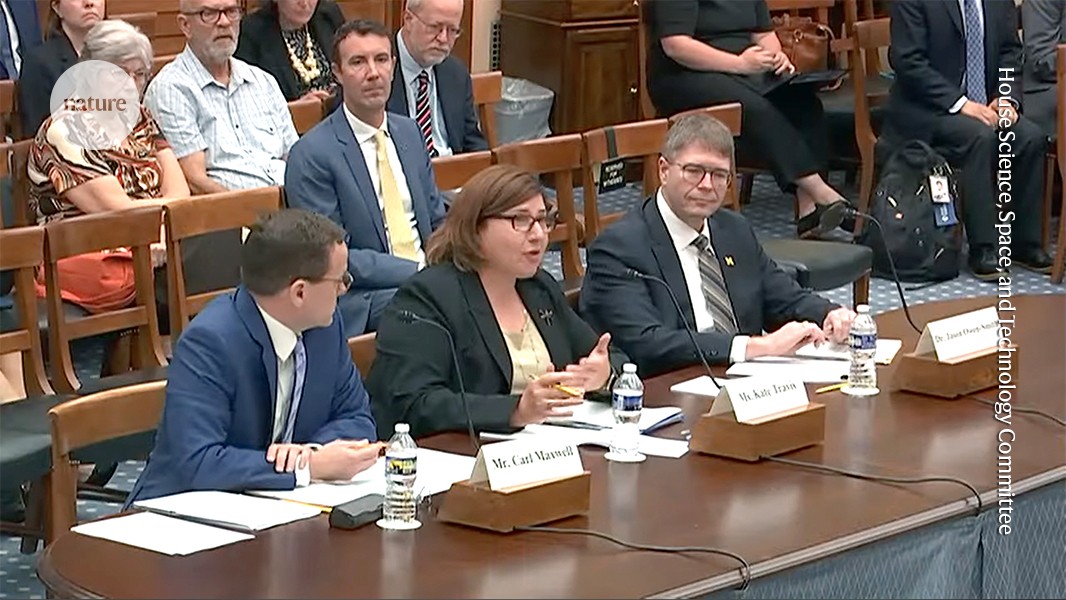
  • Legislative Scrutiny: U.S. lawmakers are intensifying their examination of scientific publishing practices, with specific attention on the rise of paper mills. During 2025 congressional hearings, legislators from both parties expressed concern about how scientific fraud might be affecting public health decisions and consumer safety.
  • Open-Access Costs: The costs associated with open-access publishing were discussed during congressional hearings, though there was little agreement on what reform would entail. Experts noted that the "article processing charges" (APC) model might be creating perverse incentives for journals prioritizing volume over quality.
  • Lack of Consensus: Legislators and experts failed to reach clear agreement on how to address necessary reforms to the publishing system. While some advocate for increased government regulation, others prefer solutions led by the scientific community.
  • Supplement Impact: Preliminary investigations suggest paper mills have particularly focused on studies about dietary supplements, where regulation is less strict and the market is multi-billion dollar.
  • Detection Technology: Algorithmic tools are being developed to identify common patterns in fraudulent papers, but their widespread implementation remains in early stages.
chart showing increase in scientific retractions due to fraud since 2020

Why It Matters

For biohackers and health enthusiasts, research integrity isn't an abstract concern. Every protocol you implement, every supplement you take, every intervention you test should ideally be backed by solid science. When paper mills contaminate the literature with fake studies about supplements, nootropics, or emerging therapies, you're making decisions based on fabricated evidence.

The mechanism here is insidious. One fraudulent study about a supplement can be cited by other researchers, included in systematic reviews, and eventually become "established evidence" through repetition. The biohacking protocols you develop could be based on a citation chain that traces back to completely invented data. This not only wastes your time and resources but potentially risks your health when implementing interventions with no real scientific basis.

Consider the case of resveratrol supplements. By the mid-2020s, several studies reporting exceptional longevity benefits were subsequently identified as potentially fraudulent or irreproducible. People who based their protocols on this research not only spent money on ineffective supplements but possibly neglected interventions with more solid evidence. The damage extends beyond the individual: when protocols based on fraudulent science become popularized through social media and online communities, they create unrealistic expectations and can divert resources from legitimate research.

Your Protocol

Your Protocol — biohacking
Your Protocol

Before implementing any new health protocol, you need to develop critical scientific evaluation skills. The era of blindly trusting any study that supports your preferred intervention is over. Here's your three-level verification protocol:

  1. 1Primary Source Verification: Don't trust third-party summaries or influencers. Find the full study on PubMed, Google Scholar, or specialized academic databases. Evaluate the journal: Is it indexed in recognized databases? What's its impact factor? Review the authors: Do they have consistent publication history in the field? Are conflicts of interest declared? Examine the methodology: Is the study design appropriate for the research question? Is the sample size adequate? Are statistical analyses appropriate?
  2. 2Replication and Consistency Search: A single study, especially in an emerging area, isn't enough. Seek multiple independent studies reaching similar conclusions before implementing any intervention. Pay attention to studies attempting to replicate previous findings. Science strengthens through replication, not through isolated spectacular results. If you only find one study reporting extraordinary benefits, especially from an obscure source, maintain healthy skepticism.
  3. 3Evidence Synthesis Consultation: Prioritize systematic reviews and meta-analyses over individual studies. These compilations of multiple studies provide a more complete picture than any individual research and typically have higher inclusion standards. Look for Cochrane reviews or those published in high-impact journals. Pay attention to evidence quality according to systems like GRADE, which evaluate recommendation certainty based on methodological strength of included studies.
person using multiple devices to compare scientific studies side-by-side

What To Watch Next

Congressional attention will likely lead to increased regulatory and transparency efforts in coming months. Watch for legislative proposals that might require greater conflict-of-interest disclosure, stricter data verification, or new certification systems for scientific journals. In particular, follow development of the "Scientific Integrity Act" that several legislators have mentioned as a priority for 2026.

On the research side, expect to see more technological tools designed to detect fraudulent papers. AI systems that analyze writing patterns, statistical data, and co-author networks could become standard for filtering fake science before it contaminates the literature. Platforms like PubPeer and Retraction Watch will become more important as sources of community verification.

Also watch for development of certification standards for supplements and biohacking products. Organizations like NSF International and USP might expand their verification programs to include assessments of the scientific evidence behind product claims.

The Bottom Line

The Bottom Line — biohacking
The Bottom Line

Your health depends on the quality of the science behind your decisions. The rise of paper mills represents a direct threat to that knowledge base's integrity. Develop the habit of verifying sources, seeking replication, and prioritizing systematic reviews over individual studies. The next generation of biohacking protocols will be built not just on new science, but on verified science.

Remember that scientific skepticism isn't cynicism: it's a protective tool. By investing time in critically evaluating evidence before implementing any protocol, you not only protect your health but contribute to a culture of scientific rigor in the biohacking community. True health optimization begins with optimizing your evidence-based decision-making process.