The Science
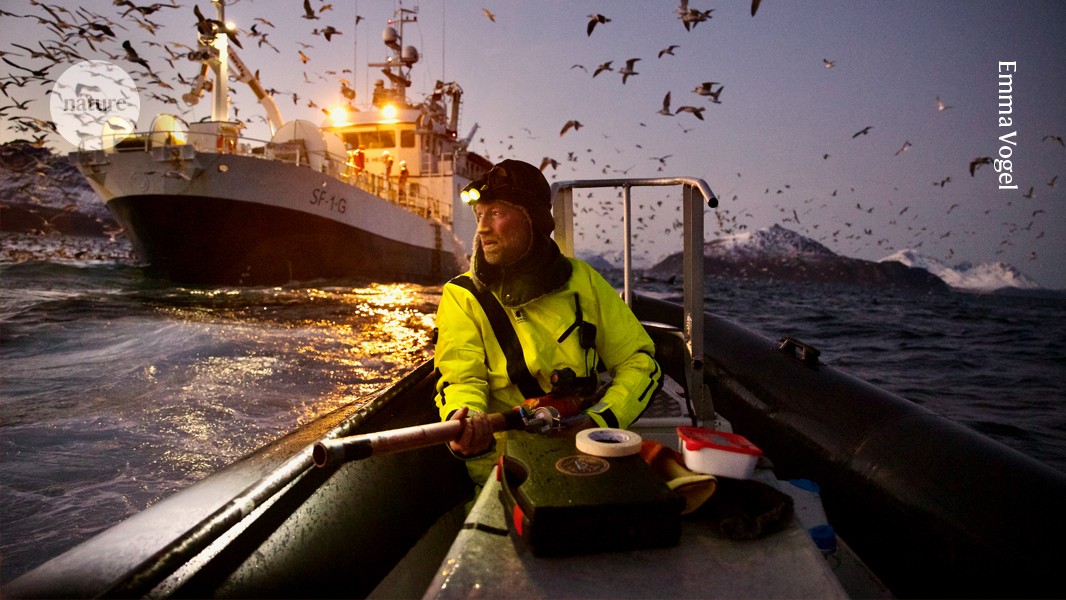
A single photograph can reveal what data sheets cannot: the emotion, struggle, and triumph behind every discovery. Nature's #ScientistAtWork 2026 competition seeks striking images of researchers in action, offering a €1,000 prize and publication in the journal. This isn't just a photography contest—it's a celebration of the human drive that fuels scientific progress. In an era where science often feels abstract and impersonal, these images bring research to life, showing the faces, environments, and moments that define discovery.

“A picture is worth a thousand data points: science photography humanizes research and builds public trust.”
The competition, now an annual tradition, attracts entries from around the globe, spanning fields from molecular biology to astrophysics. Winning images not only receive a cash prize but also gain exposure to Nature's millions of readers, amplifying the impact of the research depicted. Beyond recognition, the contest fosters a culture of visual documentation that has practical applications in biohacking and self-experimentation. By capturing moments of concentration, discovery, or collaboration, scientists create a visual record that can inspire others and serve as an educational tool. For biohackers, this practice can be adapted to document personal experiments, track progress, and share findings with a broader community.
Key Findings
- Cash prize: Winners receive €1,000 and see their images featured in Nature, providing both financial incentive and professional visibility.
- Global exposure: Selected photos reach millions of readers and scientists worldwide, amplifying the impact of the research represented.
- Open category: Entries accepted from any scientific field, from molecular biology to astrophysics, reflecting the diversity of modern research.
- Public inspiration: The contest aims to break stereotypes and show the human face of science, fostering a deeper connection between the scientific community and the general public.
- Biohacking tool: Science photography can be used by biohackers to document personal experiments, share results, and build a visual learning community.

Why It Matters
In an era dominated by metrics and algorithms, images remind us that science is a deeply human endeavor. For biohackers and health enthusiasts, seeing researchers at work can spark new ideas for personal experimentation. Science photography also educates the public, showcasing the effort behind each breakthrough. Moreover, the contest encourages creativity and science communication. Participants need both technical skill and artistic vision to capture meaningful moments. This can inspire more people to document their own scientific work, bridging the gap between research and society.
Modern science increasingly relies on interdisciplinary collaboration, and images can serve as a common language that transcends technical barriers. A biologist can understand the work of a physicist through a well-composed photograph, and vice versa. This visual communication is especially valuable in biohacking, where practitioners often work in isolation and need to share methods and results in an accessible way. Science photography, therefore, is not just an art but a practical tool for knowledge dissemination. It also has the potential to influence policy and funding by making research more relatable to the public and decision-makers.
Your Protocol

If you're a scientist or science enthusiast, consider entering this competition. You don't need professional gear—a smartphone camera can suffice if you capture the essence of scientific work. Here is a step-by-step protocol to maximize your chances:
- 1Document your daily routine: Take spontaneous photos of your work in the lab, field, or clinic. Look for moments that show concentration, discovery, or interaction. Authenticity is key: avoid staged poses and capture the reality of scientific work.
- 2Focus on emotion: The most powerful images are those that tell a story. Seek expressions of awe, frustration, or joy. A close-up of eyes peering through a microscope can be more impactful than a wide shot of the lab.
- 3Check the contest rules: Ensure your submission meets Nature's requirements before sending. Pay attention to technical specifications (resolution, format) and editing restrictions. Also consider including a brief description that contextualizes the image and explains its scientific significance.
- 4Share on social media: Before submitting, post your photo on platforms like Instagram or Twitter with the hashtag #ScientistAtWork. This not only gives you visibility but also allows you to receive feedback from the community.
- 5Iterate and improve: If you don't win the first year, don't be discouraged. Analyze winning images from previous editions and look for patterns in composition, lighting, and theme. Consistent practice will improve your photographic eye.
What To Watch Next
The #ScientistAtWork contest has become an annual tradition at Nature. Future editions may expand categories, including AI-generated images or advanced visualization techniques. There could also be collaborations with scientific institutions for traveling exhibitions. The 2026 edition promises to be the most competitive yet, with a record number of participants expected. Organizers have announced that this year special attention will be given to images showcasing diversity in science, both in terms of gender and geographic origin.
Results from the 2026 edition will be published in the coming months. Meanwhile, explore galleries from previous years to get inspired and understand how photography can transform public perception of science. Additionally, consider following scientific photographers on social media; many share tips and techniques that can help you improve your own images. The science photography community is growing, and there are increasingly more resources available for those interested in combining art and science. This visual movement is not just about competition—it's about creating a lasting record of human curiosity and achievement.
The Bottom Line
Science lives not only in papers and equations but also in gestures, gazes, and moments of discovery. Participating in #ScientistAtWork is an opportunity to showcase that humanity and perhaps inspire the next generation of researchers. Next time you're in the lab, don't forget your camera. Science photography is more than a contest; it's a form of visual biohacking that can transform how we perceive and communicate science. By documenting your work, you not only contribute to your own growth but also help build a bridge between research and society. In an increasingly visual world, the image is a powerful tool for change.