
Bats at dusk are more than a natural spectacle: they are a window into ecosystem health and, by extension, our own. The April 24, 2026 issue of *Nature* features five science books that range from longevity to asteroid exploration, with direct implications for those seeking to optimize their well-being. These texts, reviewed by critic Andrew Robinson, offer an integrative view of contemporary science, connecting disciplines that have traditionally remained separate. The selection includes works examining how bats act as sentinels for emerging diseases, how asteroid exploration drives health monitoring technologies, and how cellular repair mechanisms in long-lived organisms could be applied to human medicine. In a post-pandemic world where the interconnection between human, animal, and environmental health is more evident than ever, these books provide essential conceptual frameworks for understanding and addressing 21st-century health challenges.
The Science
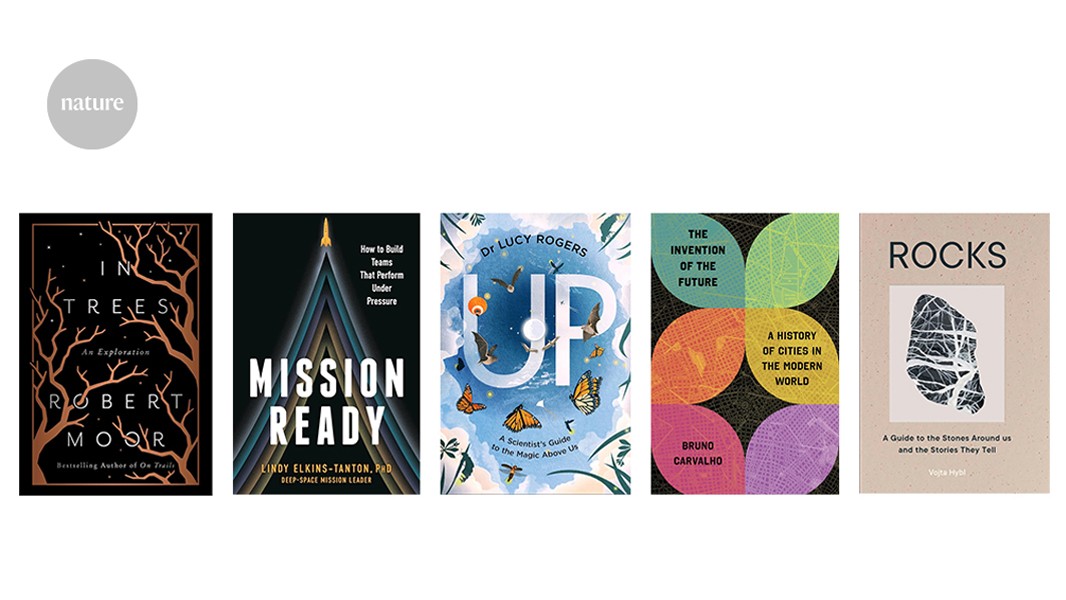
Andrew Robinson's review highlights works connecting evolutionary biology, precision medicine, and exploration. One book examines how bat activity patterns reflect environmental changes that affect zoonotic disease transmission—a crucial topic post-pandemic. Bats, as natural reservoirs for multiple viruses, offer a unique window into understanding how habitat degradation increases the risk of pathogen spillover to humans. Another text delves into asteroid missions and how space research drives innovations in remote health monitoring and biocompatible materials. For instance, sensors developed to detect minerals on asteroids are being adapted to monitor biomarkers in real time, potentially revolutionizing healthcare in remote areas. A third book focuses on longevity, proposing that the key to extending human life lies in understanding the cellular repair mechanisms observed in long-lived organisms like tortoises or certain fish. These mechanisms, including autophagy and DNA repair, could be modulated through pharmacological or lifestyle interventions.

These books are not mere popular science: they offer conceptual frameworks for understanding health as an interconnected system. For example, bat research reveals how habitat loss increases human contact with wildlife pathogens, a finding that underscores the need for 'One Health' approaches integrating human, animal, and environmental health. This approach, endorsed by the World Health Organization, recognizes that people's health is closely linked to the health of animals and the environment. The reviewed books not only present scientific evidence but also offer practical strategies for implementing this approach in daily life, from conserving green spaces to choosing sustainably produced foods. Moreover, space exploration, though seemingly distant, has direct health applications: biocompatible materials developed for spacecraft are now used in medical implants, and life support systems for long missions are inspiring new air and water purification technologies for home use.
“Human health cannot be understood without the health of the ecosystems that surround us.”
Key Findings

- Ecosystem connection: Bats serve as sentinels for environmental health; their decline signals risks of emerging diseases. Recent studies show that loss of bat diversity correlates with increased incidence of diseases like Nipah and Ebola, highlighting the importance of conserving their habitats.
- Space exploration: Sensor technology developed for asteroids is now applied in remote health wearables. These devices, capable of monitoring glucose, lactate, and other biomarkers non-invasively, could become commercially available in the coming years, enabling continuous health tracking.
- Longevity: One book proposes that extending human life lies in understanding cellular repair mechanisms observed in long-lived organisms. Research on animals like the naked mole rat, which lives up to 30 years without showing signs of aging, is revealing molecular pathways that could be activated in humans through drugs or dietary changes.
- Interdisciplinary collaboration: Cutting-edge science requires teams integrating biologists, physicians, and engineers. The reviewed books show how major advances arise at the intersection of disciplines, such as bioengineering or health ecology.

Why It Matters
For the biohacker or health enthusiast, these books offer perspectives that transcend diets or supplements. Understanding that our well-being is tied to local biodiversity can inspire lifestyle changes, such as supporting urban green space conservation. Moreover, space research is accelerating the development of non-invasive sensors that could monitor glucose, lactate, and other biomarkers in real time. These advances will not only improve early disease diagnosis but also enable personalized health interventions based on continuous data. On the longevity front, concrete hope emerges: if we can understand how certain animals repair their DNA and eliminate damaged cells, we could develop therapies that delay human aging. Compounds mimicking these mechanisms, such as autophagy activators or senolytic drugs, are already in clinical trials.
The mechanisms are clear: exposure to diverse natural environments strengthens the microbiome and regulates the immune system. Reading these books not only informs but motivates a more systemic approach to health, moving away from isolated solutions. For example, evidence shows that people living near green spaces have lower rates of cardiovascular disease and better mental health. This is partly due to exposure to greater microbial diversity, which trains the immune system to respond appropriately to pathogens and allergens. Additionally, synchronizing the circadian rhythm with natural light-dark cycles—achievable by spending time outdoors at dusk—improves sleep quality and metabolic regulation.
Your Protocol
- 1Read at least one of the reviewed books to update your understanding of how science addresses holistic health. The bat book is an ideal start, as it tangibly connects ecology with human health. Dedicate a week to reading it and reflect on how 'One Health' concepts can apply to your daily life.
- 2Incorporate weekly time in nature, especially at dusk, to synchronize your circadian rhythm with real environmental cues. This not only improves sleep but also reduces inflammation and strengthens the immune system. Aim for at least 30 minutes outdoors, preferably in a park or natural area, and observe changes in your energy and mood.
- 3Monitor your environment: use air quality apps or citizen science participation to track local changes that may affect your health. For example, apps like AirVisual or Plume Labs provide real-time air pollution data, while platforms like iNaturalist help you identify plant and animal species in your neighborhood, connecting you with local biodiversity.
What To Watch Next
The scientific community eagerly awaits upcoming clinical trials applying 'One Health' principles to chronic disease prevention. For instance, studies are being designed to evaluate whether exposure to natural environments reduces the incidence of type 2 diabetes or autoimmune diseases. Also on the horizon are space missions testing new portable biosensors, with potential transfer to consumer devices by 2027. NASA and ESA are collaborating with private companies to develop wearables that monitor astronaut health in real time, and these same devices could reach the general market. Additionally, the authors of these books will continue publishing research connecting planetary health with personal health. Stay tuned for their next works, likely to appear in journals like *Nature*, *Science*, or *The Lancet*.
The Bottom Line
These five books do more than inform: they transform how we think about health. The most practical lesson is that optimizing our well-being requires understanding the larger systems we live in. Next time you see bats at dusk, remember their flight carries data about your own health. The integration of ecology, space exploration, and longevity biology offers a roadmap for navigating future health challenges. It's not just about living longer, but living better, in harmony with our environment. Science gives us the tools; the decision to use them is ours.


:format(jpg):quality(99):watermark(f.elconfidencial.com/file/a73/f85/d17/a73f85d17f0b2300eddff0d114d4ab10.png,0,275,1)/f.elconfidencial.com/original/9f5/b2a/49a/9f5b2a49a24407cce3a0e2cce8fe85fb.jpg)