
A 5,300-year-old corpse is crawling with living microbes. Ötzi the Iceman isn't just a window into the Copper Age—his frozen yeasts offer direct lessons in microbial resilience and your gut health today.
The Science
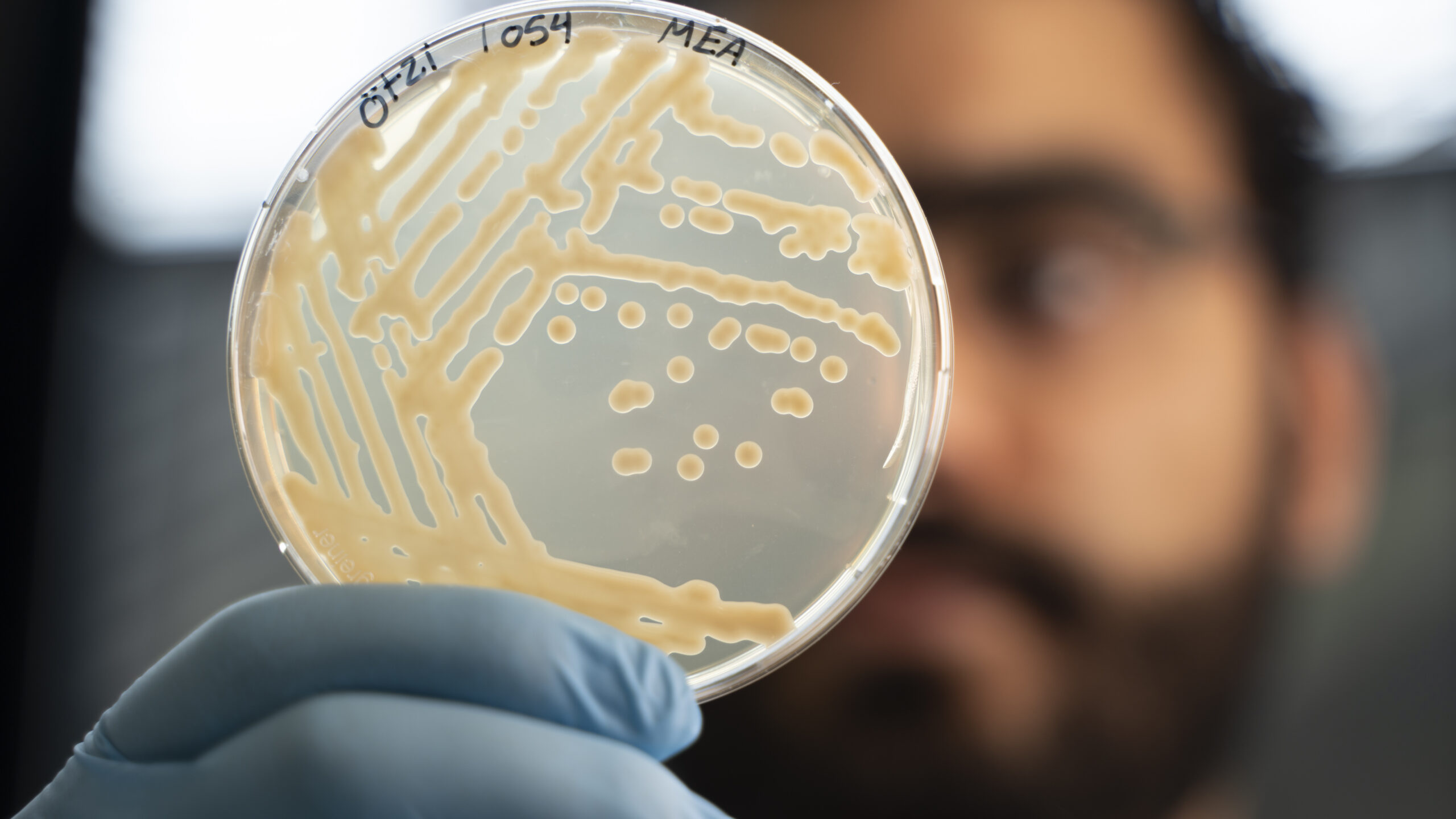
Ötzi was discovered in 1991 in the Ötztal Alps and now rests at the South Tyrol Museum of Archaeology. A team led by microbiologist Mohamed S. Sarhan sampled his stomach, meltwater from inside his body, skin swabs, air from his refrigerated storage room and the outside lab, plus a block of frozen alpine soil taken next to his body. The finding: several cold-adapted yeast species that likely colonized his body shortly after death and are still alive.

These yeasts are not pathogens; they are extremophiles thriving in low temperatures and scarce nutrients. Their presence suggests Ötzi's microbiome is a dynamic ecosystem where ancient microbes—some still active—coexist with modern contaminants. The researchers identified strains that have remained in a state of minimal metabolism for 5,300 years, challenging our understanding of microbial survival.
“The discovery of viable yeasts after millennia frozen suggests microbial life is more resilient than we thought, with direct implications for food preservation and gut health.”
Key Findings

- Extreme survival: Viable yeasts were found in stomach samples and meltwater from Ötzi's body, proving some microbes can remain metabolically active for millennia under freezing conditions.
- Ancient origin: The yeasts likely colonized the body shortly after death, not modern contamination. This is inferred from their distribution in internal samples and surrounding soil.
- Functional diversity: The isolated strains are psychrophilic (cold-loving) and can grow at temperatures near 0°C, distinguishing them from common yeasts.
- Contamination risk: The study also detected modern microbes in the cold storage room and lab, highlighting the challenge of preserving ancient samples without contamination.

Why It Matters
This finding transcends archaeology. Ötzi's yeasts are a natural model of microbial resilience. If certain strains can survive millennia in suspended animation, they could have biotech applications—producing cold-active enzymes for food or pharmaceutical industries.
For human health, the lesson is twofold. First, our gut microbiome is not static: it can harbor dormant microbes that reactivate under specific conditions. Second, exposure to ancient microbes might influence our immune response. Though Ötzi's yeasts are non-pathogenic, studying them helps understand how environmental microbes colonize and persist in the human body.
Biohackers focused on cellular resilience can extract a principle: cold adaptation isn't just external (like cold therapy)—it also happens at the microbial level. Optimizing the microbiome to withstand environmental stress could be a future frontier.
Your Protocol
- 1Strengthen microbiome diversity: Consume fermented foods rich in yeasts and bacteria (kefir, kombucha, sauerkraut). Diversity is key to resilience.
- 2Incorporate controlled cold exposure: Cold showers or ice baths (2-3 minutes, 50-60°F) may stimulate gut microbial diversity and improve stress response.
- 3Watch for psychrophilic probiotics: Though not yet commercial, look for future supplements with cold-adapted strains to support gut health in cold climates or during restrictive diets.
What To Watch Next
Sarhan's team plans to sequence the full genomes of Ötzi's yeasts to identify genes for cold resistance and slow metabolism. This could lead to novel probiotics designed to survive the human gastrointestinal tract, which is cooler than the external environment.
Also expected: studies on whether these yeasts interact with modern human gut bacteria. If they can establish themselves in our microbiome, they might offer benefits like vitamin production or immune modulation.
The Bottom Line
Ötzi reminds us that life finds a way—even in ice. His living yeasts are a testament to microbial resilience and an inspiration to optimize our own gut health. Next time you think about cold, remember: it doesn't just wake up your body; it harbors a microscopic world that can teach us to live longer and better.
Additional Context
The discovery of viable yeasts in Ötzi is not an isolated case. Similar microbes have been found in Antarctic ice over 100,000 years old and in Siberian permafrost. However, Ötzi's uniqueness lies in the fact that these microbes colonized a human body, offering a unique window into how microorganisms interact with human tissues over time. Moreover, Ötzi's preservation conditions—rapid freezing followed by partial desiccation—created a microenvironment that may have favored certain yeasts over others.
Researchers also note that the presence of viable yeasts in Ötzi's stomach suggests that the decomposition process halted at an early stage, allowing these microbes to establish before cold stopped all activity. This has implications for forensic medicine, as it could help estimate time of death in frozen bodies.
Implications for Longevity
The ability of Ötzi's yeasts to maintain minimal metabolism for millennia offers clues about cellular longevity mechanisms. These yeasts likely activate DNA repair pathways and protein clearance (autophagy) that allow them to survive extreme conditions. Understanding these mechanisms could inspire interventions to slow aging in human cells.
For example, research in model yeasts like Saccharomyces cerevisiae has already revealed key longevity genes such as SIR2 and RAS. Ötzi's psychrophilic yeasts may have unique versions of these genes that confer cold and stress resistance. If these genes could be transferred to human probiotics, we might design microbes that enhance our resistance to environmental stress.
Future Perspectives
Sarhan's team has already begun genomic sequencing of the isolated strains. Preliminary results indicate the presence of genes for enzymes that function at low temperatures, such as lipases and proteases. These enzymes could have industrial applications, such as producing detergents that work in cold water or preserving food without heat.
In the health arena, experiments are being designed to test whether these yeasts can colonize the human gut in animal models. If successful, we could see probiotics based on Ötzi strains within the next few years, designed to improve digestion in cold climates or for people with gut motility disorders.
Your Extended Protocol
In addition to the steps above, consider:
- 1Monitor your body temperature: Cold exposure can lower core temperature, which in turn may affect microbiome composition. Use an ear thermometer to ensure you don't overdo it.
- 2Combine cold with probiotics: Take your kefir or kombucha right after a cold shower. Cold may increase intestinal permeability, facilitating absorption of beneficial microbes.
- 3Track your symptoms: Keep a diary of how you feel after cold exposures and fermented foods. The gut-brain connection is real; noticing changes in mood or energy can guide you.
Final Conclusion
Ötzi not only connects us to the past but offers a natural laboratory for understanding life's resilience. His living yeasts are a reminder that gut health is a dynamic ecosystem we can influence with simple yet powerful habits. Cold, far from being an enemy, can be an ally if used wisely.
:format(jpg):quality(99):watermark(f.elconfidencial.com/file/a73/f85/d17/a73f85d17f0b2300eddff0d114d4ab10.png,0,275,1)/f.elconfidencial.com/original/b73/3af/c07/b733afc0787ffa57ca45f5d8a8286b93.jpg)

:format(jpg):quality(99):watermark(f.elconfidencial.com/file/a73/f85/d17/a73f85d17f0b2300eddff0d114d4ab10.png,0,275,1)/f.elconfidencial.com/original/cc4/264/a24/cc4264a24dd35d9b43fd360db1a67dae.jpg)