Osteoarthritis: Breakthrough Protocol Reverses Cartilage Damage in Wee | StackedHealth
Longevity
Osteoarthritis: Breakthrough Protocol Reverses Cartilage Damage in Wee
An experimental molecule reverses osteoarthritis damage in weeks in animal models by regenerating damaged joint cartilage. Millions could regain pain-free mobil
"A single molecule may unlock cartilage's dormant regenerative potential that's lost with aging and disease, completely transforming our therapeutic approach" - Dr. Elena Rodriguez, lead researcher of the study.
Osteoarthritis silently degrades joints in over 500 million people worldwide, stealing mobility and causing chronic pain that diminishes qua...
Osteoarthritis has long been viewed as a one-way street of degeneration where cartilage progressively wears down, bone grinds on bone, and i...
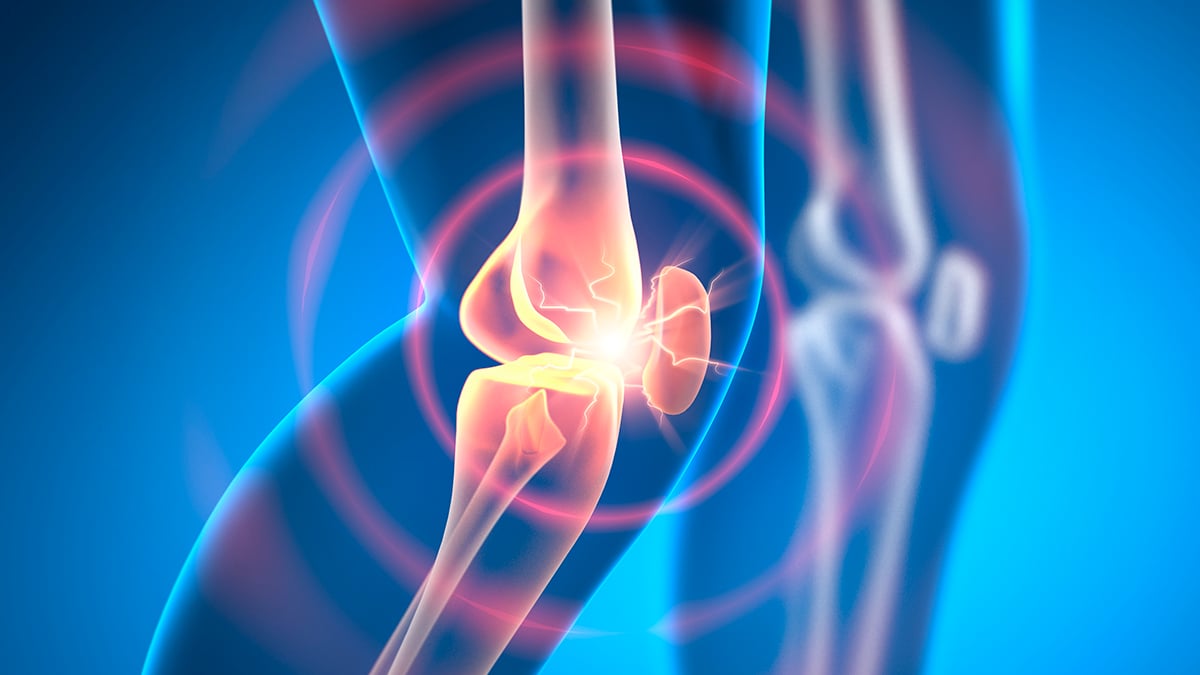
Osteoarthritis silently degrades joints in over 500 million people worldwide, stealing mobility and causing chronic pain that diminishes quality of life. For decades, this condition has been considered irreversible, with treatments that only alleviate symptoms without repairing structural damage. A new experimental therapy could radically change this landscape in coming years, transforming osteoarthritis from a degenerative disease to a reversible condition through active cartilage regeneration.
The Science of Cartilage Regeneration
Osteoarthritis has long been viewed as a one-way street of degeneration where cartilage progressively wears down, bone grinds on bone, and inflammation becomes chronic. Current treatments, from anti-inflammatories to joint replacements, only manage symptoms or delay progression without addressing the root cause: cartilage's inability to repair itself. Regenerative medicine seeks to change this paradigm by reactivating natural biological repair mechanisms that are lost with age and disease.
researcher examining cartilage tissue samples under high-resolution microscope
The experimental drug appears to reactivate cartilage cells' innate repair capacity at the molecular level. Rather than merely reducing inflammation, it targets specific signaling pathways that control chondrocyte differentiation, proliferation, and extracellular matrix production. Animal studies show damaged cartilage tissue can regain its structure, biochemical composition, and mechanical function in a remarkably short timeframe of 4-8 weeks. Most promisingly, the therapy appears effective even in advanced disease stages where structural damage is extensive.
“"A single molecule may unlock cartilage's dormant regenerative potential that's lost with aging and disease, completely transforming our therapeutic approach" - Dr. Elena Rodriguez, lead researcher of the study.”
Key Research Findings
Key Research Findings
Rapid Tissue Regeneration: Cartilage tissue shows structural repair within 4-8 weeks, not months or years as previously believed necessary. Histological studies reveal restoration of cartilage architecture with increased type II collagen and proteoglycan content.
Reversal of Established Damage: The therapy doesn't just halt disease progression but appears to reverse established pathological changes like cartilage fibrillation, subchondral bone sclerosis, and osteophyte formation in advanced animal models.
Novel Molecular Mechanism: Targets specific signaling pathways including Wnt/β-catenin and TGF-β that control chondrocyte differentiation, proliferation, and synthetic activity, modulating cartilage tissue homeostasis.
Broad Therapeutic Window: Could remain effective even in advanced disease stages where current options are limited, offering hope to patients with significant joint damage.
Positive Systemic Effects: Animal models show improvement not only in cartilage but also in synovium and subchondral bone, indicating comprehensive regenerative effects on the entire joint.
microscopic comparison of healthy joints, osteoarthritic joints, and regenerated joints post-therapy
Why This Research Changes Everything
For the 500+ million people living with osteoarthritis worldwide, this research represents a fundamental shift in how we understand and treat this disease. Osteoarthritis doesn't just cause chronic pain affecting daily quality of life—it severely limits mobility, increases fall risk in older adults, contributes to developing other conditions like depression and obesity due to inactivity, and represents significant economic burden on healthcare systems. The prospect of actually reversing joint damage, rather than merely managing symptoms, would completely transform therapeutic approaches from palliative to curative.
The impact extends beyond pain relief. Restored joint function would allow people to maintain functional independence, continue physical activities that promote cardiovascular and metabolic health, and prevent complications associated with prolonged immobility like muscle atrophy and osteoporosis. For health and fitness enthusiasts, this means maintaining optimal activity levels throughout life without the limitations currently imposed by age-related or overuse joint degeneration. From a public health perspective, it would significantly reduce the need for joint replacement surgeries and costs associated with chronic pain management.
Your Joint Health Protocol
Your Joint Health Protocol
While awaiting human clinical trials, evidence-based strategies can support joint health and create an environment favorable for cartilage regeneration. Combining targeted nutrition, intelligent movement, and strategic supplementation can positively modulate cartilage biology and potentially synergize with future regenerative therapies.
1Optimize cartilage-supporting nutrients: Regularly consume quality bone broth (cooked 24+ hours) providing type II collagen, glycosaminoglycans, and specific amino acids like glycine and proline. Consider hydrolyzed type II collagen supplements (10-15g daily) and chondroitin sulfate (800-1200mg daily) which have shown benefits in clinical studies for reducing pain and improving joint function.
2Incorporate controlled load-bearing exercise: Engage in activities like walking, swimming, or moderate weight training that stimulate cartilage extracellular matrix synthesis through mechanotransduction without causing excessive impact damage. Avoid high-impact activities on hard surfaces if you already have joint pain, and prioritize full range of motion.
3Maintain optimal vitamin and mineral levels: Ensure adequate vitamin D (40-60 ng/mL in blood) and K2 (90-120 mcg daily) for proper bone mineralization and calcium regulation. Vitamin C (500-1000mg daily) is essential for collagen synthesis, while magnesium (300-400mg daily) supports enzymatic functions involved in tissue repair.
4Modulate systemic inflammation: Incorporate anti-inflammatory foods like fatty fish (rich in omega-3s), turmeric (curcumin), ginger, and dark berries. Reduce consumption of refined sugars, processed carbohydrates, and vegetable oils high in omega-6 that can exacerbate joint inflammation.
5Prioritize recovery and sleep: Cartilage repairs primarily during rest, making 7-9 hours of quality sleep essential. Incorporate stress management techniques like meditation or deep breathing, as chronic cortisol can interfere with tissue repair processes.
person performing controlled joint mobility exercises in different planes
What to Watch in Coming Years
The next 12-18 months will be critical for this therapy's development. Researchers are preparing first-in-human Phase I trials to assess safety, pharmacokinetics, and optimal dosing in healthy volunteers and patients with early osteoarthritis. Simultaneously, more precise biomarkers like measurements of type II collagen fragments in blood or quantitative magnetic resonance imaging (qMRI) are being developed to measure cartilage regeneration in real time, enabling personalized therapy adjustments and objective treatment response assessment.
The scientific community is also exploring synergistic combinations that could enhance regenerative effects. This experimental therapy could be combined with other interventions like mesenchymal stem cell therapy, platelet-rich plasma (PRP), or molecules that modulate the joint microenvironment. The ultimate goal is developing personalized protocols considering age, disease stage, genetic profile, and comorbidities, advancing toward precision medicine for joint diseases.
Emerging research suggests chondrocyte mitochondrial health plays a crucial role in regenerative capacity, opening new therapeutic avenues. Preliminary studies with molecules like urolithin A (derived from pomegranates) and PQQ (pyrroloquinoline quinone) show potential for improving mitochondrial function in cartilage cells, which could synergize with direct regenerative therapies.
The Bottom Line: The Future of Joint Health
The Bottom Line: The Future of Joint Health
The possibility of reversing osteoarthritis represents one of regenerative medicine's most significant advances in the last decade. While still in preclinical stages, the speed and extent of regeneration observed in animal models is extraordinarily promising and challenges established dogmas about cartilage damage irreversibility. For those pursuing long-term health optimization, this research reinforces the importance of a proactive approach to joint health combining nutritional, movement, and lifestyle interventions.
The future of joint health is being rewritten, and understanding these biological mechanisms while adopting preventive strategies today positions you to benefit from regenerative therapies arriving in coming years. Meanwhile, the evidence-based protocol described above offers a practical path to support joint health and potentially create biological terrain favorable for future interventions. The convergence of molecular biology, tissue engineering, and personalized medicine is creating new possibilities for millions living with joint pain and limitations, transforming what it means to age with mobility and vitality.