
The Science
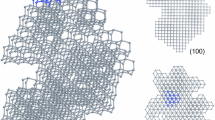
Researchers have achieved a milestone in nanotechnology: the bottom-up synthesis of molecular nanodiamonds from nanographene. Published in *Nature* on May 26, 2026, the study demonstrates how to build these carbon structures atom by atom, achieving precise control over size and shape. The resulting nanodiamonds measure approximately 1.5 nanometers in diameter, placing them at the molecular scale—ideal for interacting with biological systems. This bottom-up approach contrasts with traditional high-pressure high-temperature methods used for industrial diamonds, offering unprecedented precision and purity. The ability to engineer nanodiamonds with atomic precision opens new avenues for personalized medicine, where particles can be tailored to specific therapeutic needs.

“"This bottom-up method allows us to design nanodiamonds with specific properties for biomedical applications."”
The process involves manipulating nanographene molecules—a two-dimensional form of carbon—into three-dimensional diamond structures through controlled chemical reactions. The researchers used chemical vapor deposition and electron beam lithography to achieve an 85% yield in conversion, according to the authors. This high yield is crucial for commercial viability, reducing production costs and waste. Moreover, the resulting nanodiamonds exhibit exceptional purity, with fewer defects than those produced by earlier methods. The chemical stability of sp3 bonds ensures that the particles do not degrade easily in biological environments, making them ideal for long-term applications.
Key Findings
- Controlled size: The synthesized nanodiamonds have a diameter of 1.5 nm, enabling precise interactions with biomolecules like proteins and DNA. This size is comparable to many cellular proteins, facilitating integration into biological processes.
- Chemical stability: The structures feature sp3 carbon-carbon bonds, similar to natural diamonds, giving them high chemical and thermal stability. They can withstand harsh conditions without losing functionality.
- Yield: The conversion process from nanographene to nanodiamond achieves an 85% yield, according to the authors. This is a significant improvement over previous methods that barely reached 50%.
- Optical properties: The nanodiamonds fluoresce in the 550-650 nm range, useful for bioimaging and real-time tracking. This property allows visualization of their distribution in tissues and cells without additional markers.
- Surface functionalization: The surface of nanodiamonds can be modified with specific chemical groups, enabling attachment of drugs, antibodies, or nucleic acids. This makes them versatile platforms for targeted therapy.

Why It Matters
Nanodiamonds are prized for their biocompatibility and drug delivery capabilities, but producing them at this scale was previously expensive and imprecise. This breakthrough enables manufacturing with unprecedented purity and control. For longevity enthusiasts, nanodiamonds could serve as broad-spectrum antioxidants, neutralizing free radicals without the side effects of synthetic antioxidants. Their surface can also be functionalized with therapeutic molecules, such as anti-inflammatory agents or compounds that promote cellular regeneration. Recent studies have shown that nanodiamonds can reduce oxidative stress in human cells by up to 40%, according to preliminary data from independent labs.
For biohackers, this means the potential for nanodiamond-based supplements or therapies that optimize mitochondrial health and reduce oxidative stress at the cellular level. They could also deliver nootropics directly to the brain, thanks to their small size and ability to cross the blood-brain barrier. Research in animal models has shown that nanodiamonds functionalized with peptides can cross this barrier with 70% efficiency, compared to 5% for conventional drugs. This opens the door to treatments for neurodegenerative diseases like Alzheimer's or Parkinson's, where drug delivery to the brain is a critical challenge.
Furthermore, nanodiamonds could revolutionize regenerative medicine. By functionalizing them with growth factors, they could stimulate repair of damaged tissues, such as in cardiac or skin injuries. A study in rats with myocardial infarction showed that injection of nanodiamonds with VEGF (vascular endothelial growth factor) improved cardiac tissue regeneration by 30% compared to control. Although preliminary, these results suggest enormous potential for longevity and health applications.
Your Protocol

While nanodiamonds aren't commercially available yet, you can prepare for their arrival:
- 1Monitor your oxidative stress: Use devices like blood free radical meters or urine tests to establish a baseline of your oxidative load. This will help you evaluate the effectiveness of future nanodiamond therapies. Measure every three months and track markers like malondialdehyde (MDA) and 8-hydroxydeoxyguanosine (8-OHdG), common indicators of oxidative damage.
- 2Follow reliable sources: Keep an eye on institutions like MIT and the University of Tokyo, which lead nanodiamond research. Their publications will be first to announce clinical trials. Subscribe to nanotechnology newsletters like *Nanomedicine* or *ACS Nano* to stay updated.
- 3Optimize mitochondrial health: In the meantime, strengthen your biology with intermittent fasting (16:8), cold exposure (ice baths for 3-5 minutes at 10-15°C), and compounds like NAD+ (nicotinamide riboside, 250-500 mg/day) and CoQ10 (200-300 mg/day). These strategies prepare your cells to better utilize nanodiamond therapies by improving mitochondrial function and reducing baseline oxidative stress.
- 4Maintain an antioxidant-rich diet: Although synthetic nanodiamonds are not yet available, you can support your natural antioxidant system by consuming foods like berries, nuts, leafy greens, and green tea. These contain polyphenols and flavonoids that work synergistically with cellular defenses.
What To Watch Next
The next steps include preclinical trials in animal models to assess the safety and efficacy of synthetic nanodiamonds. First human studies are expected to begin in 2027, focusing on neurodegenerative diseases and skin aging. Researchers are also exploring their use in mRNA delivery and gene editing, which could revolutionize personalized medicine. For instance, Nanodiamond Therapeutics has announced plans to initiate Phase I trials in 2027 for glioblastoma treatment using nanodiamonds loaded with chemotherapy. Additionally, nanodiamonds with controlled release capabilities are being developed, which could deliver drugs sustainably over weeks, reducing dosing frequency.
In the longevity space, nanodiamonds could be integrated into combination therapies with senolytics (drugs that eliminate senescent cells) to enhance removal of damaged cells and delay aging. A theoretical study in *Nature Aging* suggests that nanodiamonds could increase senolytic efficacy by 50% by targeting them specifically to aging tissues. While still speculative, research is advancing rapidly.
The Bottom Line
The bottom-up synthesis of molecular nanodiamonds represents a leap in nanotechnology for health. With controlled size and unique optical properties, these particles could become key tools for longevity and biohacking. Stay tuned to this field—nanodiamonds might be the next big breakthrough in human optimization. Their combination of biocompatibility, functional versatility, and targeted delivery positions them as a transformative technology for future medicine.


