Your mitochondria just revealed a hidden talent: they can spawn entirely new organelles. A study published today in *Nature* shows that these ancient bacterial symbionts can shed fragments of their outer membrane, which then organize into specialized structures never seen before. This discovery rewrites a fundamental chapter of cell evolution and opens questions about how we can optimize mitochondrial health for longevity and performance. For biohackers, it represents a new frontier: if we can induce the formation of these organelles, called mitosomes, we might enhance cellular resilience and slow aging.
The Science Behind the Discovery
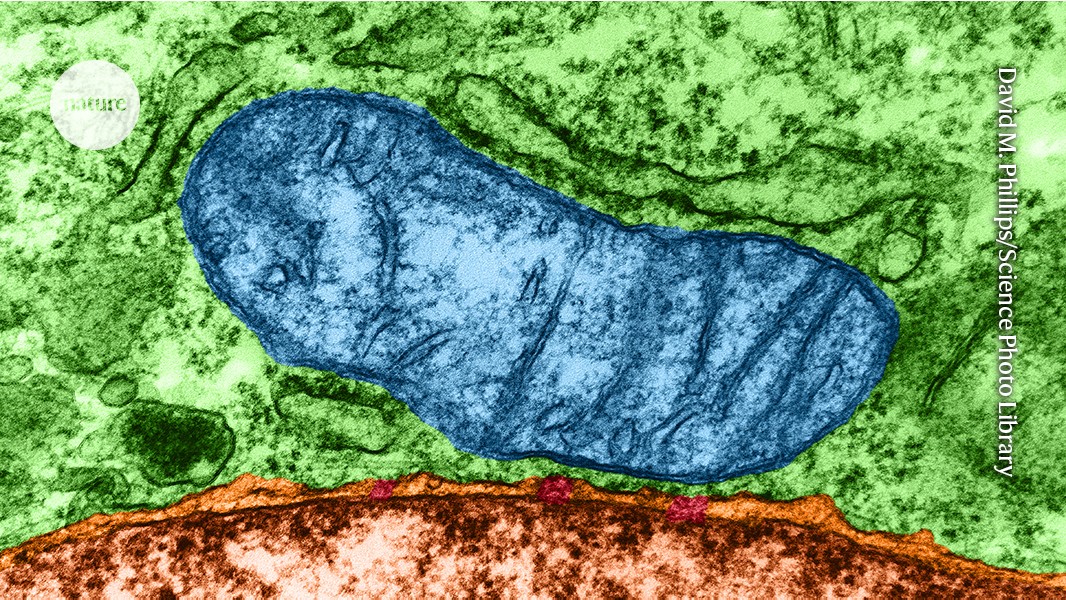

The research team, led by the University of California, San Francisco, observed that mitochondria in yeast and cultured human cells could generate these new structures, dubbed "mitosomes." Using super-resolution microscopy and proteomics, they identified that mitosomes form when the outer mitochondrial membrane invaginates and pinches off, releasing vesicles that mature into independent organelles. The study quantified that under metabolic stress—such as glucose restriction or increased fatty acids—up to 15% of mitochondria can produce mitosomes within 24 hours. This percentage suggests it is not a random event but a regulated process that could be modulated by environmental and nutritional factors.
Protein analyses revealed that mitosomes contain enzymes involved in lipid metabolism and cell signaling but lack mitochondrial DNA and respiratory chain proteins. This indicates they are not mere fragments but specialized compartments with distinct functions. The researchers speculate that mitosomes could have been precursors to organelles like peroxisomes, supporting the endosymbiotic theory of cell evolution. Additionally, the presence of lipid enzymes suggests a role in fatty acid management, directly connecting to high-fat diets like the ketogenic diet.